Still in the shores of the Land of the Rising Sun, our first two entries in this segment is the iconic 1983 Toyota Sprinter Trueno AE86 and the 2016 Toyota GT86.
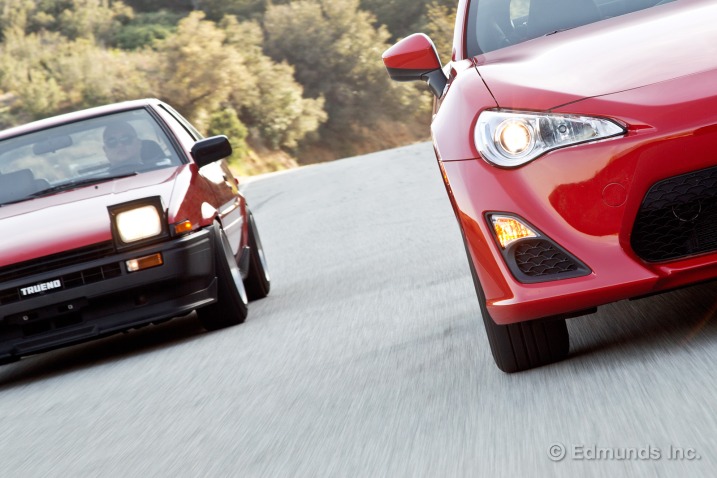
Of course we can’t start talking about the GT86 origins without talking about the AE86 origins first. The AE86 was made in 1983 and stopped production in 1987. There were two variations of the car, the AE85 Levin which had fixed headlights, slightly different rear lights as well as a different engine and the more iconic AE86 which had pop up headlights. Both came in the hatchback or notchback version.
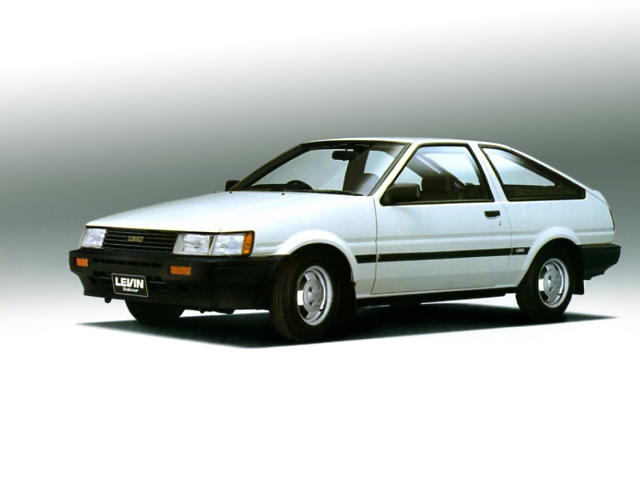
The Levin
They were in Rally events as well as Touring Car championships, winning the Manufacturers Championship in the European Touring Car championship. Drift King Keiichi Tsuchiya helped popularise drifting using an AE86. Without him, Formula Drift in America and many other drift championships wouldn’t be here today. Fun fact, the car wasn’t considered cool until the manga and anime Initial D came out. That manga is hailed as being the driving factor that skyrocketed the sales of the AE86 so without the manga, the AE86 would’ve been like some boring car you see on the road back in the early 2000s and it wouldn’t have spawned the GT86.
In January 2012, Toyota collaborated with Subaru and made a car that would be the spiritual successor to the AE86, the GT86. It was marketed as the Subaru BRZ as well as the Scion FRS, the latter didn’t last long, only three years.
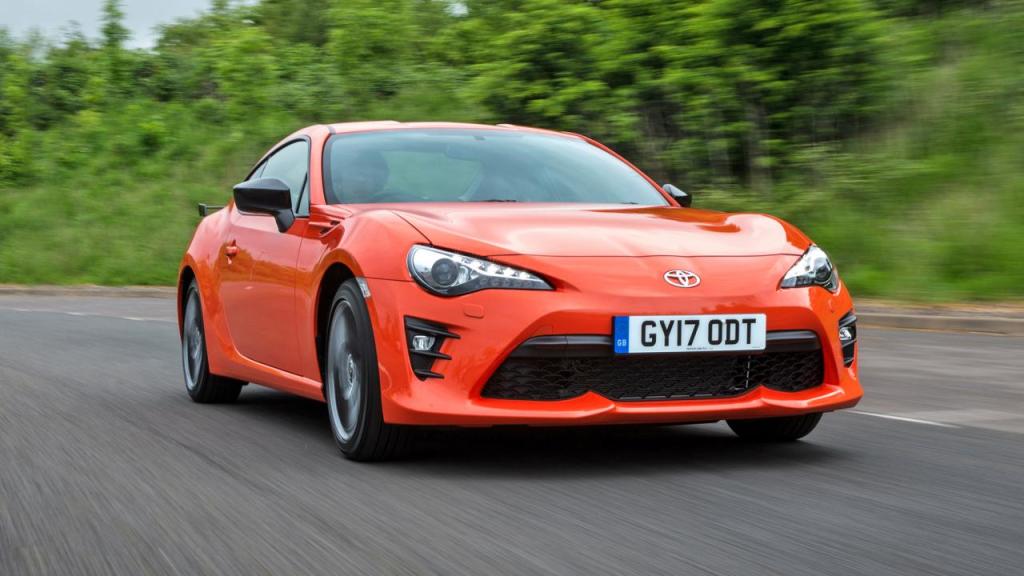
The GT86 was also prominent in the motorsport sector, mainly in Touring Car championships, Endurance championships, Time Attack as well as big challenges such as One Lap of America. So the question remains, does all these achievements and the redesign make the GT86 a better car?
Looks: AE86:7/10 vs GT86:7/10
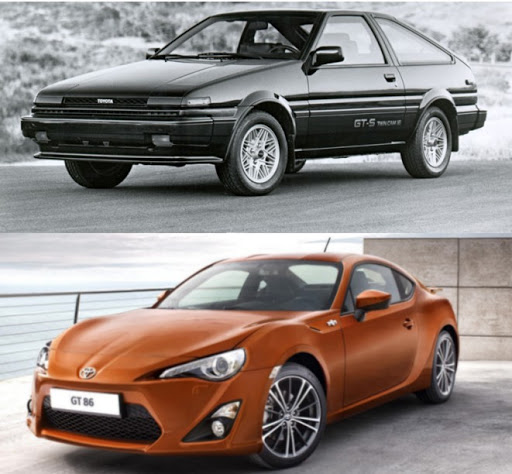
In my honest opinion the differences are striking. The AE86 without the Fujiwara Tofu Shop livery and a two tone paint job is not as appealing. It is certainly not a head turner and one would just mistake it as a normal mundane city car carrying groceries. That is if you live in the ’80s. Ever since Initial D came out in the ’90s the AE86 has become this charming little car and became a head turner. Soon people got caught up in a competition on who could best replicate Takumi’s AE86. Now whenever someone drives an AE86 people would look at it and dream about having it. The GT86 on the other hand is a car that screams “look at me” on the road and is certainly not mundane for the modern era. Sure there are cars far more beautiful than the AE86 and the GT86 but they’re certainly not the ugliest.
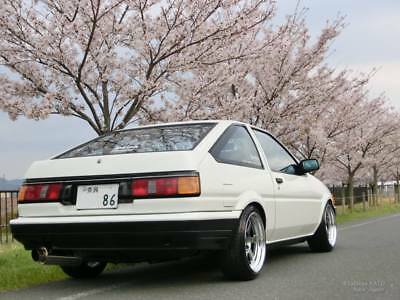
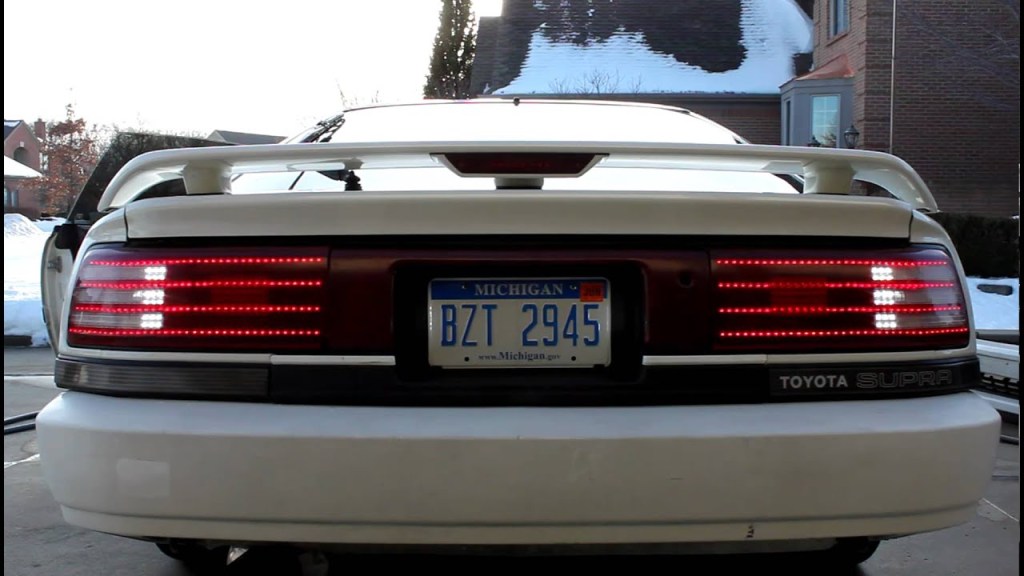
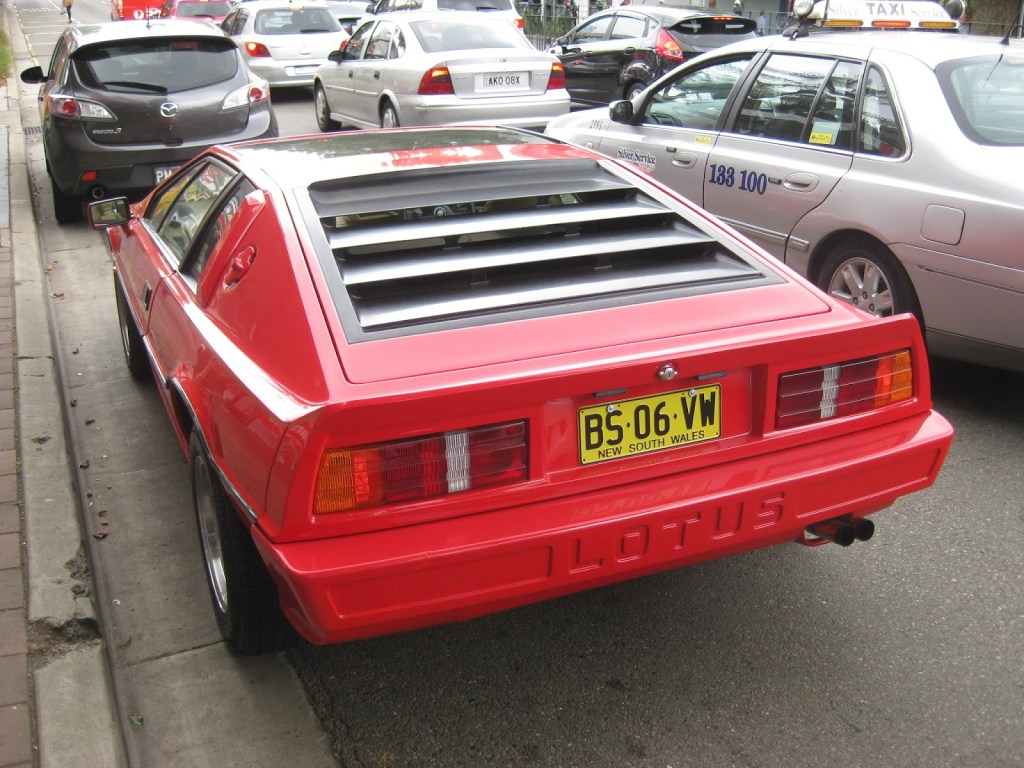
Comparing these two rear ends there is definitely a striking difference. The rear end of the AE86 tends to look a bit boxy but at the same time quite attractive. In todays standard because of Initial D and such, the AE86’s rear lights have become a rustic charm, something you don’t see every day which scores some look points for the AE86 but back in the day, those rear lights were the norm. So many cars had that set of rear lights or similar rear lights from the early Supra to the Lotus Esprit.
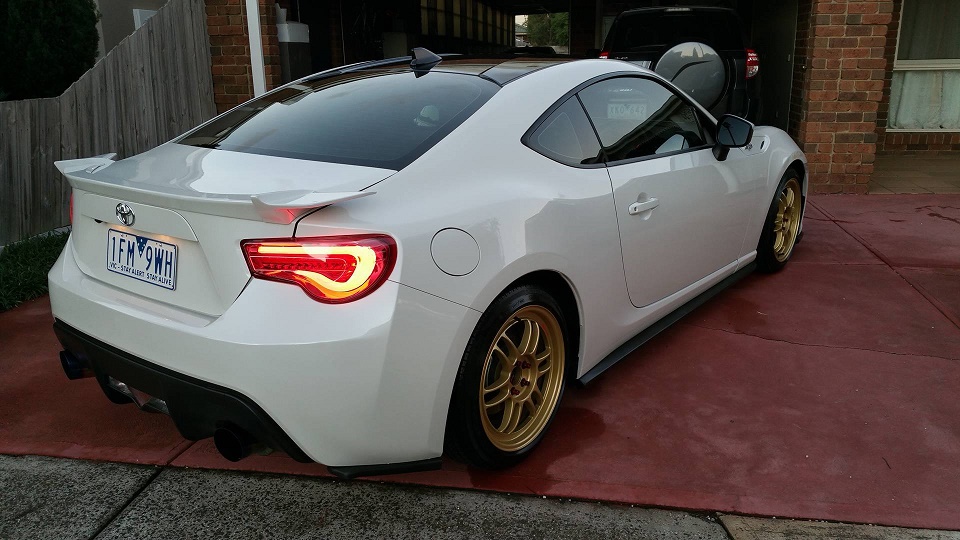
In contrast, the new GT86 has rear lights that are unique in their own way because each model from each different company (Subaru, Toyota and Scion) has a different set of tail lights. Even then it’s pretty hard to tell them apart. The rear lights look quite sporty for todays standard which scores points in it’s own right.
Moving towards the side of the cars you can see their general silhouette. The GT86 is reminiscent of your modern day average sports car, easily recognisable.
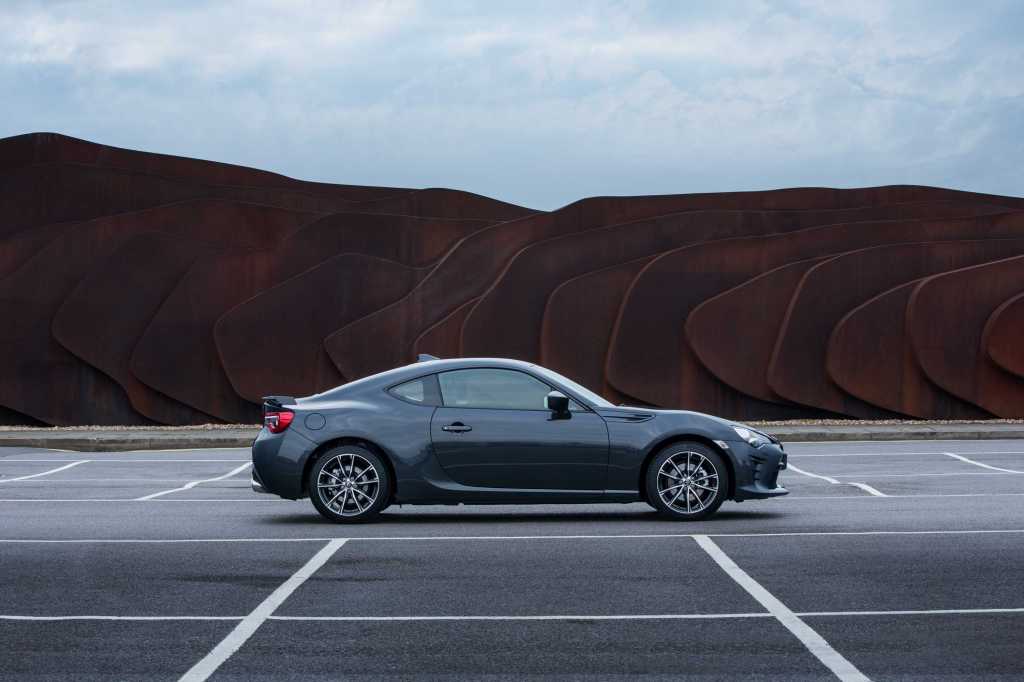
That swooping wave from the front to the back gives the car a sort of streamlined sporty look. With just a silhouette you’d probably mistake this car for maybe a BMW Z4 or a Porsche 918 Turbo.
It’s a different story for the AE86.
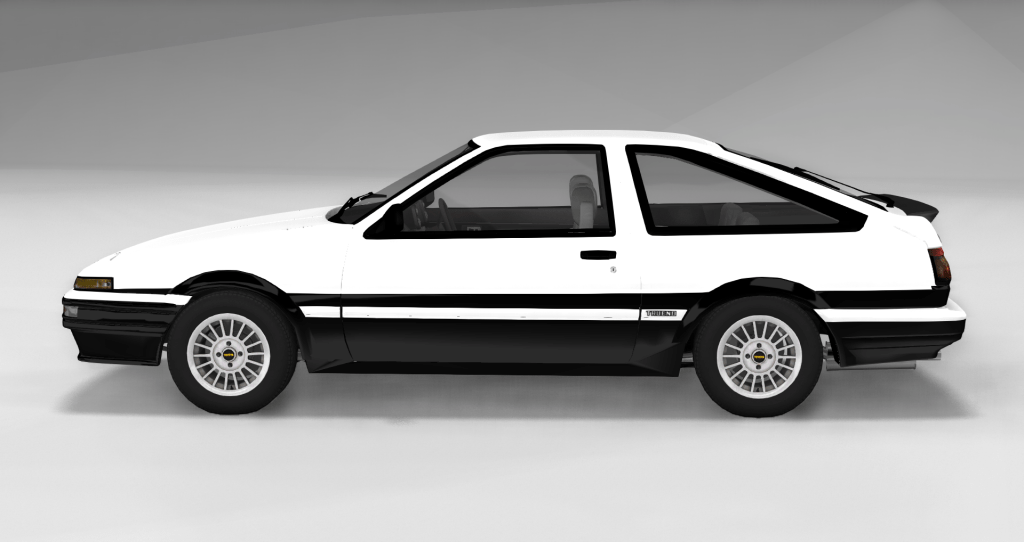
An AE86 looks a bit more like your generic old ’80s car, some comparison would be, again like the early Supra or maybe a Delorean. The shape is distinct between all ’80s cars.
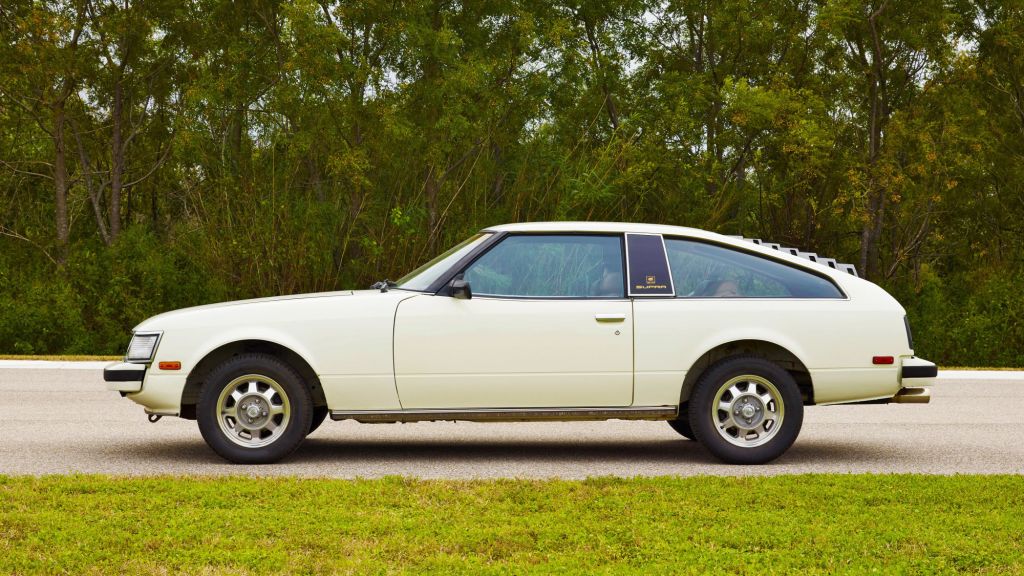
It might be normal for the ’80s but at the same time it does give this classic charm in the modern day that has garnered much love and interest in this car. It’s a head turner but for a different reason so points for that as well.
As we move to the front, the differences only grow from there. Of course the AE86 still maintains the ’80s retro vibe with those iconic pop-up headlights with the iconic “Trueno” badge on the front grille, something the Levin or the new GT86 never had.
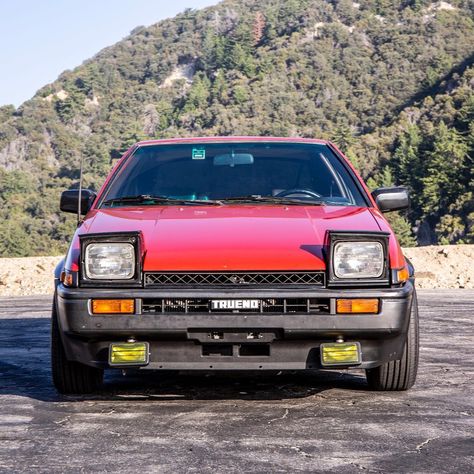
It might be a small grille but it does serve it’s function pretty well. A bigger grille would make the car look a bit ugly. I would’ve loved the fog lights on the bumper to be standard, just that one fault. The AE86 captures that sort of ’80s charm on the street and of course, in a race. That front end is iconic if you race against it on your average club race or maybe on mountain roads, which gives it points.
The front of the GT86 has had a few facelifts from 2012 to recently although pretty minor.
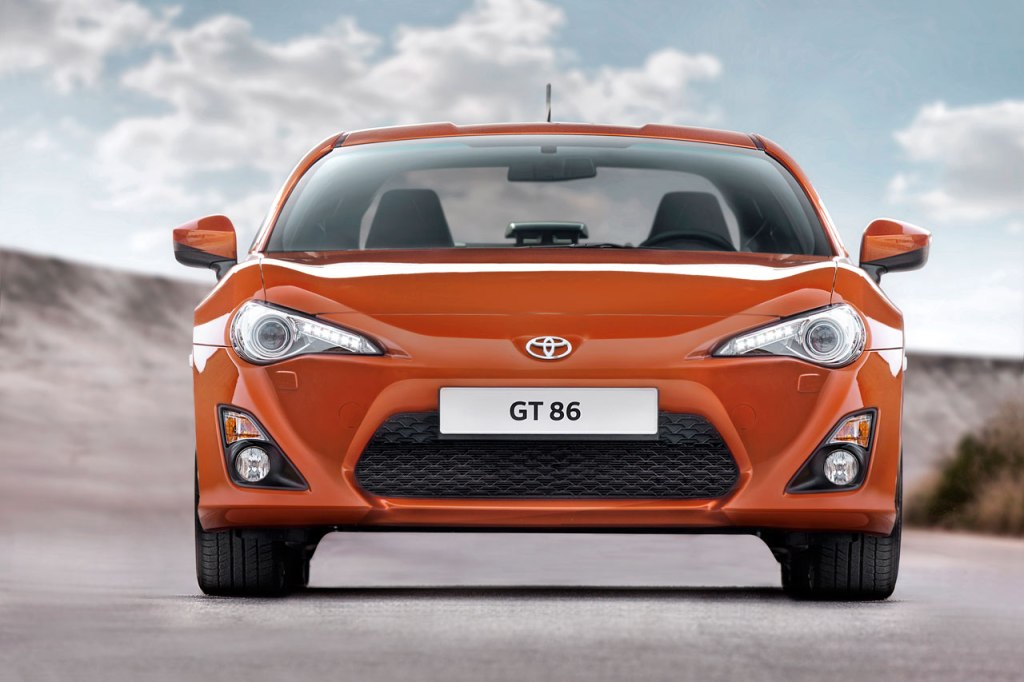
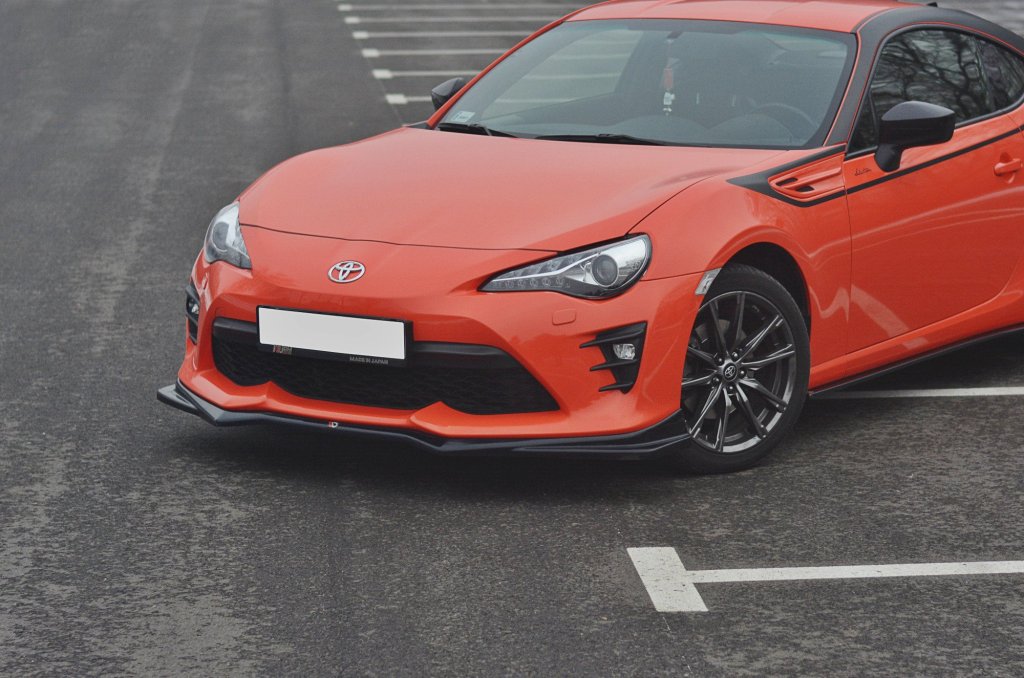
As mentioned, the GT86 is the embodiment of your average sports car and it further proves that in its front end. Gone are the pop up headlights from it’s predecessor and the boxy fron outline and in with the new sleek style, halogen fixed on headlights and vented fog lights. The new front splitter makes it look that much more aggressive than it’s predecessor which is bound to make people’s head turn.
The result of this category? It’s a tie. Although the new GT86 looks good being modern, the AE86 looks good as an ’80s style car in the modern age, further lifted by its presence in the geek world.
Modability: AE86: 8/10 vs GT86: 9/10
After watching Initial D i thought “Oh so that’s probably the most people will mod an AE86. Put on Watanabe rims, a carbon fiber hood, add fog lights, better suspension, a new Tachometer, stick the Fujiwara Tofu Shop sticker and it’s ready to go.”
Boy was I dead wrong.
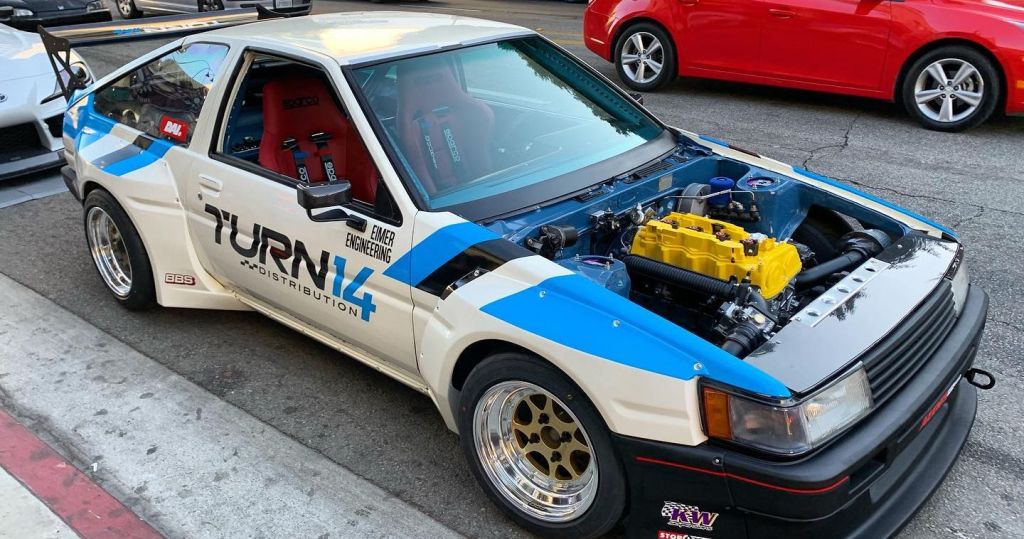
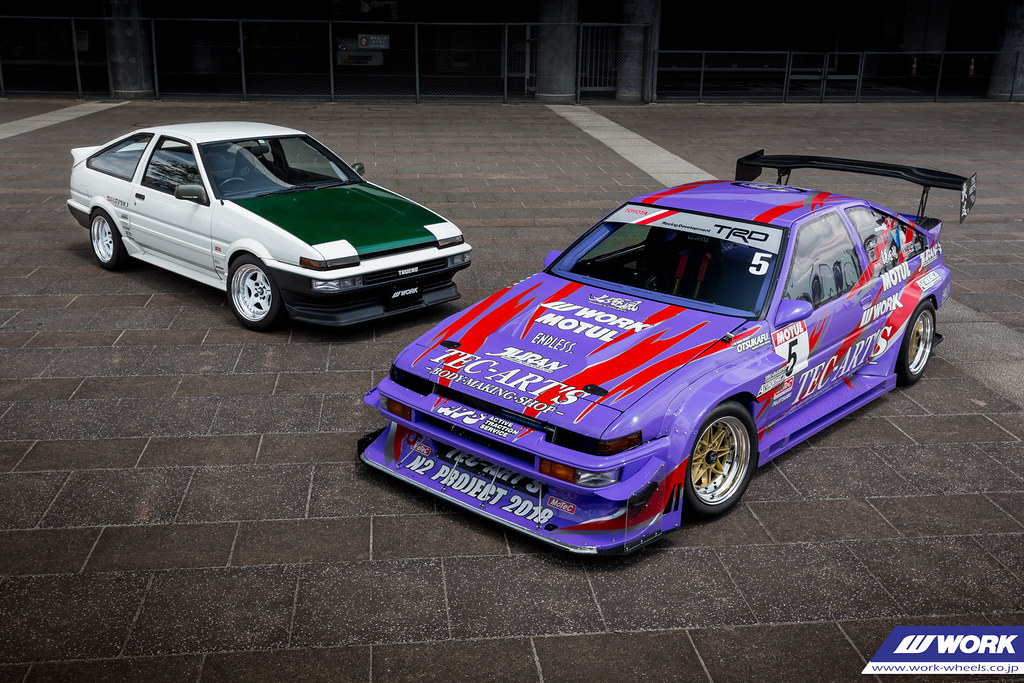
The opportunities are almost endless although not as much as the Evo VIII. From the back most rear wings will work or if you like to keep it simple, just use the stock lip that Keiichi Tsuchiya uses, although in my honest opinion i wouldn’t put such a huge wing on an AE86. As for bodywork…. not much. Sure you have some pretty good looking front bumpers or side splitters but on this car a lot of them won’t fit. You’re going to need to look at cars that have nearly the same looking chassis to fit it on because the front is so boxy looking and that’s really where this car falters compared to the GT86.
As for the paint, it’s like the Evo VIII. Go wild with it. Any type of paint including hot pink or neon green will work on this car.
You are spoilt for choice on rims, unlike the Evo VIII or the GT86, any rim will look good on this car whether it’s the stock rim or some hubcaps from a Hudson Hornet.
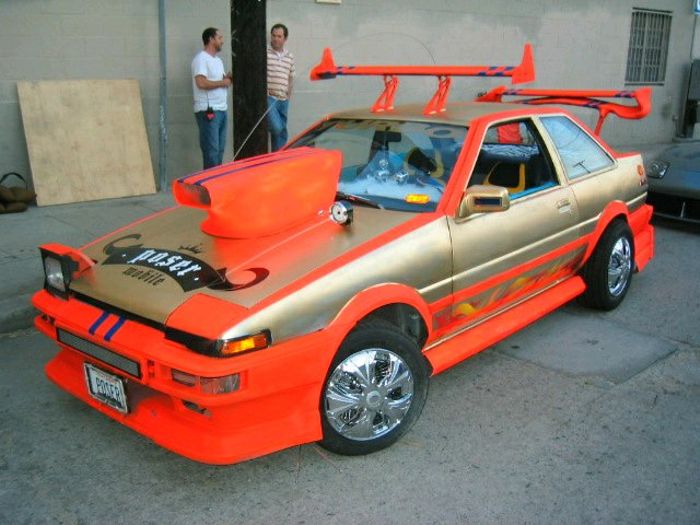
But of course, don’t rice you AE86, you’ll look stupid.
Again, the GT86 is a different story.
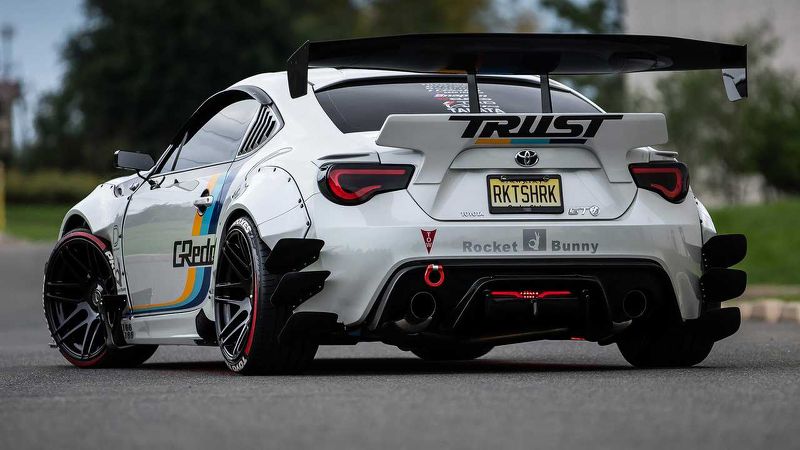
The GT86’s sleek body provides a myriad of options as compared to the AE86’s boxy ’80s body, and that is body kits. The first thing that comes up to gearheads’ minds when they put GT86/BRZ and body kit together is the brand Rocket Bunny. It’s one of the most popular aerodynamics parts stores around the world and it works mostly on sporty cars. Starting from the back you can get a something as ricey as a GT wing or get something as simple as a rear lip (something Rocket Bunny loves to use when advertising in their racing games). You can choose to black out you rear lights, add a really huge diffuser and stick on some cool canards, something you can’t do on an AE86.
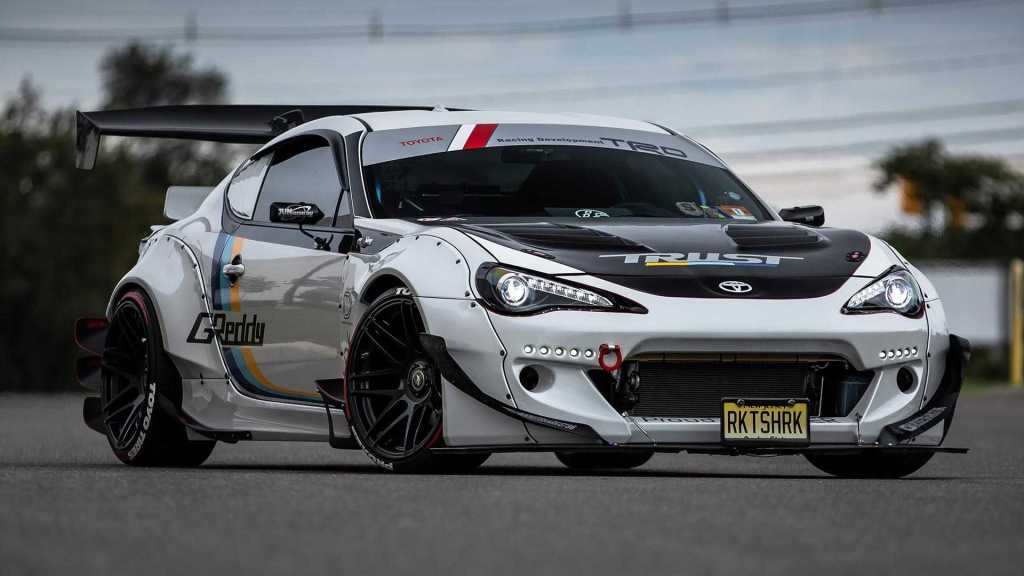
The sides is where this car really shines. For starters, you can lower this car very far, it’s a really viable stance car. Bolt on fenders such as the one above look very appealing from every angle. Paint wise you can choose to keep it simple with the factory paint but like the AE86, you can make it flashy too such as in the picture above. For the front, you can black out the headlights and maybe add fog lights but those are hard to come by. A carbon fiber or black hood with vents is definitely a must for this car, not only does it look great, more air gets sucked into the engine. I honestly feel that the stock front bumper on the new GT86 already looks really good but then again for this car, you’re spoilt for choice on front bumpers unlike the AE86. For rims, any rims except for hubcap rims will suffice. I’d personally put Watanabes or BBS rims on my GT86 if i ever get one. Top it off with a low front splitter and canards (You can’t get canards on an AE86) and you have yourself probably the best looking GT86.
Well, it’s a tiebreaker. The GT86 has an edge thanks to it’s sleek body making way for more design options than it’s predecessor.
Engine: AE86: 7/10 vs GT86: 8/10
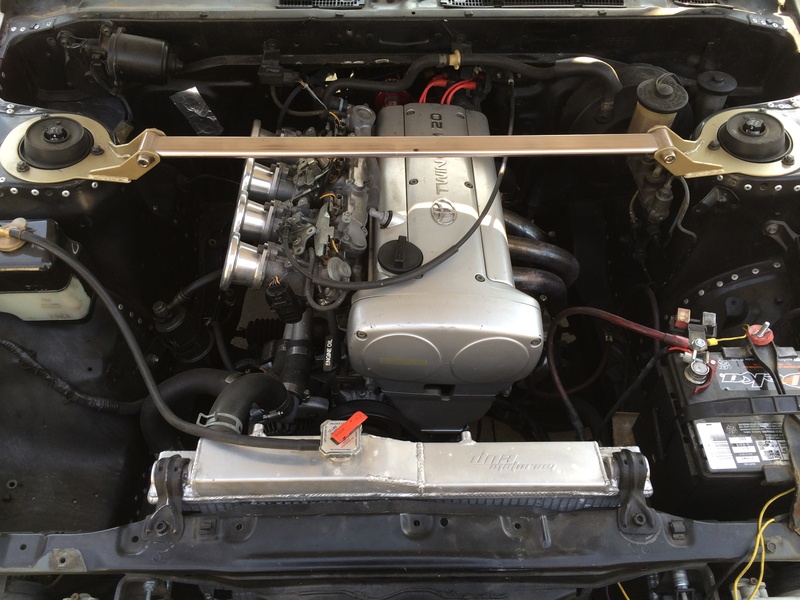
Stock, the AE86 came with a somewhat underwhelming Dual Overhead Cam (DOHC) 1.6 litre Inline 4 4A-GE engine that was naturally aspirated (NA) and made a measly 128 brake horsepower. Customers were offered a 5 speed manual or a 4 speed automatic. It gets even worse in America with the engine being detuned to 112 bhp which is 8 less than a 2012 Honda Fit. Talk about a lack of performance. The AE86 was never supposed to be a race car so the engine was made to be as reliable as possible and it was, which is why it scored so high despite the measly specs. It’s an NA which means the gas mileage isn’t that bad, customers say that it usually takes them 500 or so kilometers before the gas light comes on. Toyota never made a sport version of an AE86 for the road so unlike the Evo VIII, there was no Rally version or such and the engine stayed the way it was.
Until…… Initial D happened. Many gearhead weebs should remember if they’ve read Initial D that a Touring Car Group A engine was swapped into Takumi’s AE86 the first time he blew his engine. And I also mentioned that the AE86 was prominent in the Touring car scene.
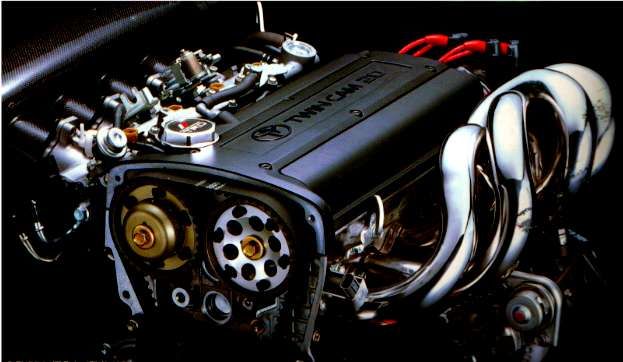
They never said much about the specs in the manga but according to the official Initial D wiki, the engine is an AE101 20 valve Silvertop which is a variant of the 4A-GEU engine specially designed by Toyota’s Racing Department (TRD). The engine redlines at a whopping 11000 rpm (Usually sports cars with V8s and V12s redline there) and makes a healthy 240 bhp. Some readers say it was detuned down to 220 bhp but we don’t know for sure. Both Shuichi Shigeno (the author) and Keiichi Tsuchiya (the Drift King and one of the supervisors for the manga ) never said. Other engine swaps are quite rare because the hood only fits a 1.6 litre engine, meaning no LS swaps or V8s for you horsepower loving Americans. Anyway that aside it’s still a pretty good engine, it’s just hard to get your hands on unless you have connections with the Touring Car administrators.
You can still tune the engine but with that type of body frame and the engine being 1.6 litres, it won’t last above 200bhp unless you turbocharge it. Ideally to tune the engine, it’s best that you get the AE101 engine then add turbos, because NA tuning won’t get the engine above 260 or 300bhp.
But even that is not enough to compare with modern technology.
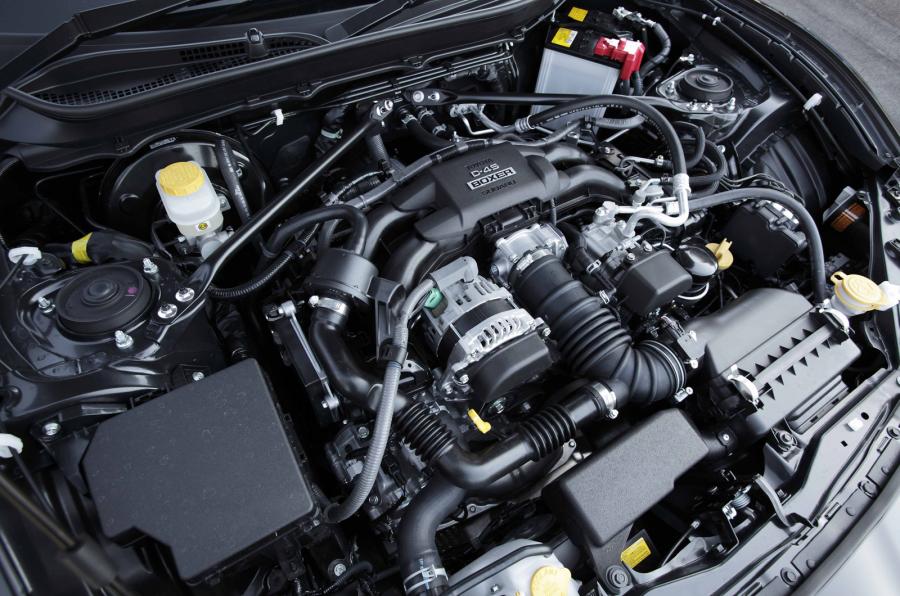
This engine is unique because it was jointly developed with Subaru so both companies have almost the exact same engine. Earlier models used an NA 2 litre 4U-GSE engine for Toyota and a FA20 H4 engine for Subaru which makes 197 bhp and 151 lbft of torque. The later models which were the 2016-present redesign got a 205 bhp 4U-GSE with an updated final drive and 156 lbft of torque. TRD had a hand in making a better version of a car but instead of upping the engine they instead upgraded the brakes.
But what about the adrenaline junkies that are reading this and thinking “200bhp isn’t gonna cut it”? Well engine swaps are more varied than the AE86 considering it’s a 2 litre engine. LS swaps are ideal and 2 litre V8s are plentiful. There’s even some madlad that swapped a Ferrari V12 into a GT86 and drifted it during the Goodwood Festival of Speed last year!
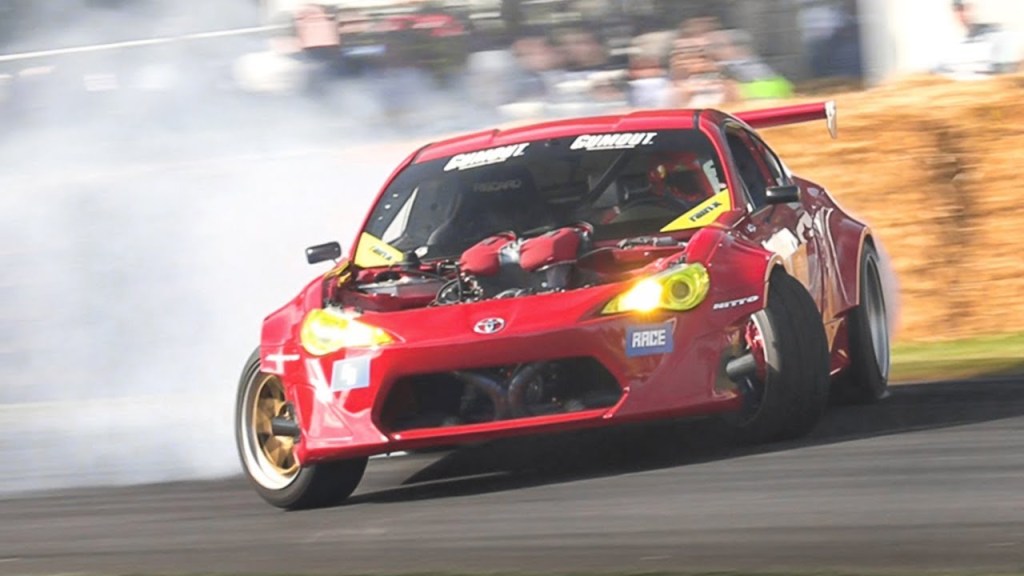
Now you might be thinking “Well, you just shot your own foot. If you can swap a Ferrari 458 engine into a GT86 you can probably swap a big block 6 litre V8 into an AE86!” But reality is harsh. The AE86 is a boxy car, not like the GT86. To fit that 458 engine into the GT86 they hat to cut out parts from the engine bay and they were lucky the car maintained it’s structural integrity. At most, a 2 litre engine might fit into an AE86 but that’s only if you cut out parts from the already small AE86 engine bay which might damage it’s structural integrity. Plus, it’s just not the same car. So virtually, swapping a high tech engine into a retro classic ’80s car is almost impossible to say the least.
With the stock horsepower already higher than the AE86 and the car being built with the intention to go fast, tuning it past 400bhp might not be much of a problem.
Horsepower wise and engine swap choice wise, the GT86 has the slight edge over the limits of the AE86 so the point goes to the GT86.
Practicality: AE86: 9/10 vs GT86: 7/10
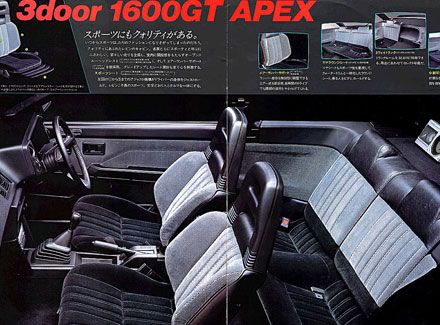
For such a modest and old car of course the interior is bound to be old. Leather seats with a fair amount of legroom fitting five people, just your average ’80s comfort. It’s not particularly large nor is it cramped, just the right size.
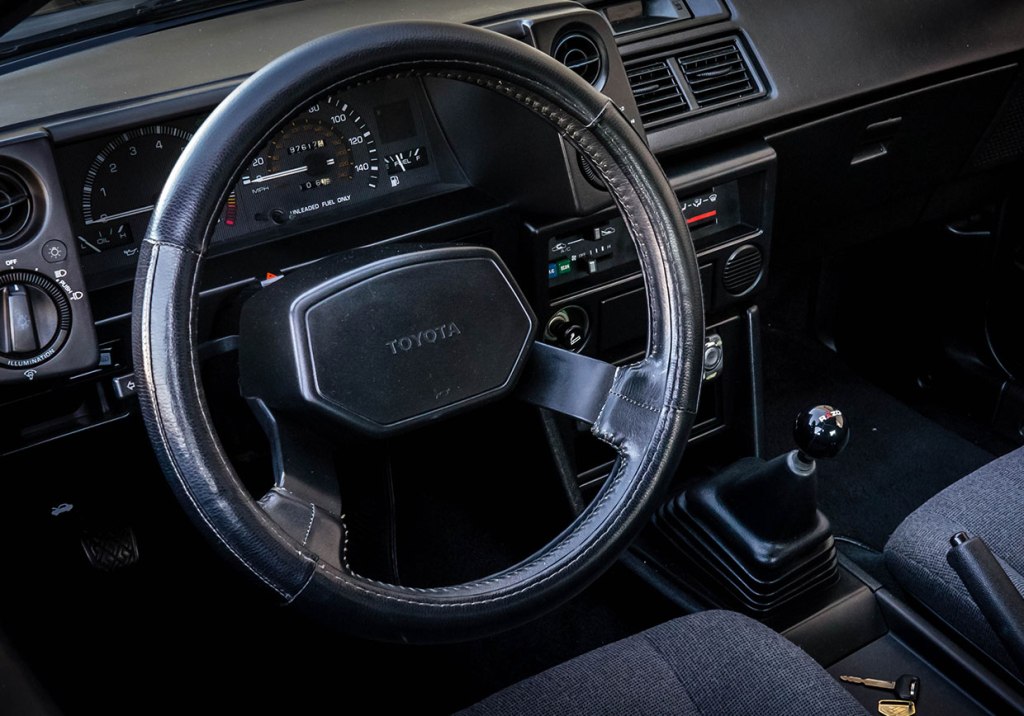
If you lived in the ’80s and bought an AE86, you’d get stereo, air conditioning and all the usual. What the AE86 does not come with is a cup holder which i still don’t get why. When you buy an AE86 in the modern day the interior is bound to be modded one way or another. The steering wheel especially most of the time will be swapped with a MOMO steering wheel of if you have cash and are a big fan of Initial D, Italvolante is the one to go for. The front seats might be swapped for Bride bucket seats but other than that everything else should stay mostly stock. Of course, a cup holder will be added.
The charm of the GT86 practicality is that it’s a sports car, yet it fits four people and has the convenience of a hatchback.
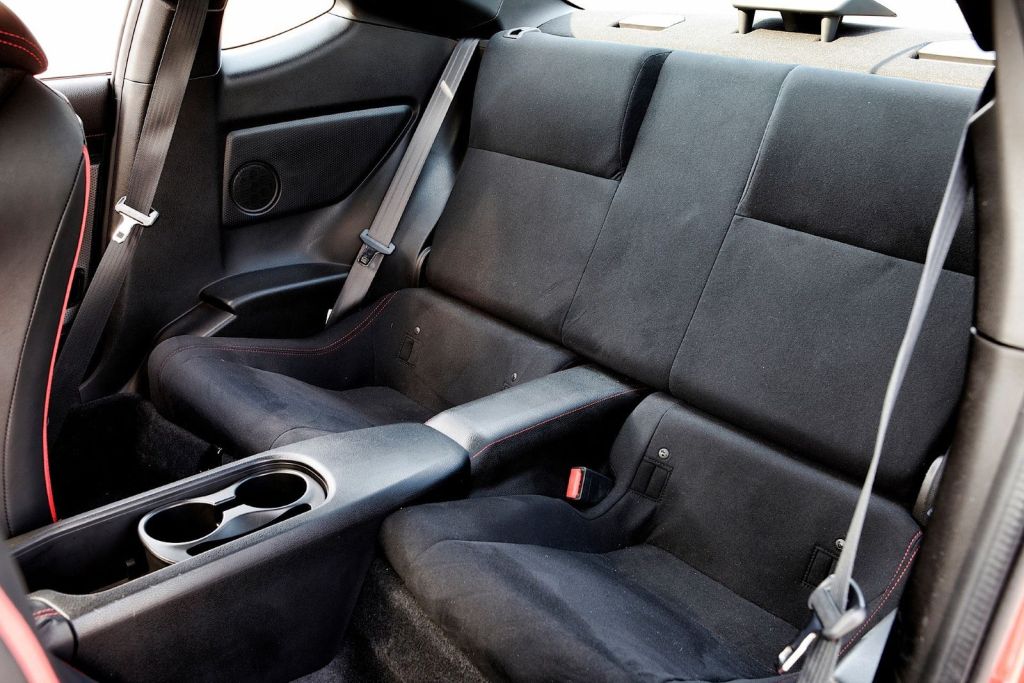
From the outside I would’ve thought the GT86 was a two seater but i was wrong. It’s a four seater meaning it can fit a small family. But there are complaints that the backseat has absolutely horrible legroom unlike the AE86 so i hope the 2020 edition will fix that.
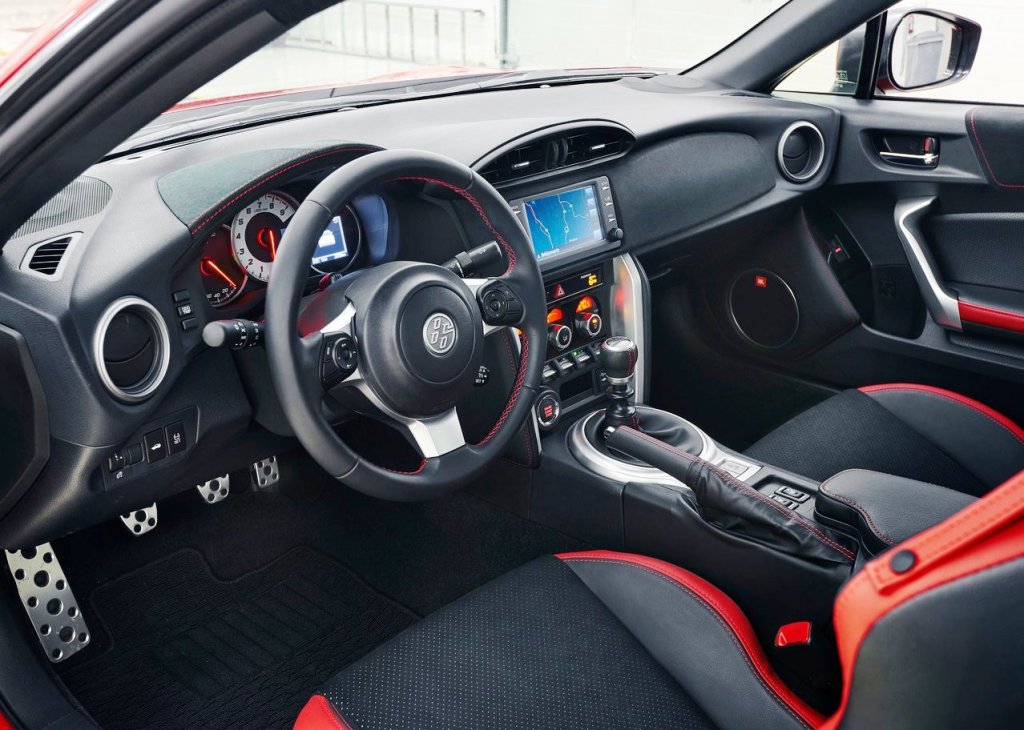
The bucket seats come stock with the GT86. The steering wheel looks more modern and sporty. The car comes with the things the AE86 came with, air conditioning and all the usual. It also comes with satellite navigation so you don’t need to buy your own Garmin GPS or waste your phone battery, it has a touchscreen infotainment system complete with radio, bluetooth and USB charging ports.
And yes, it does come with a cup holder.
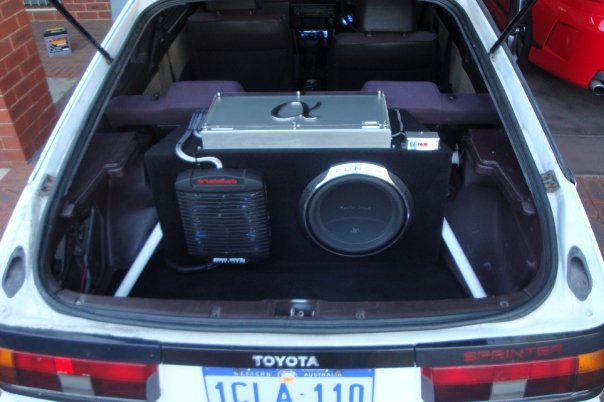
What more can be said about the trunk capacity of an AE86, it boasts 255 litres which is slightly more than a Volkswagen Golf GTi and that one was big.
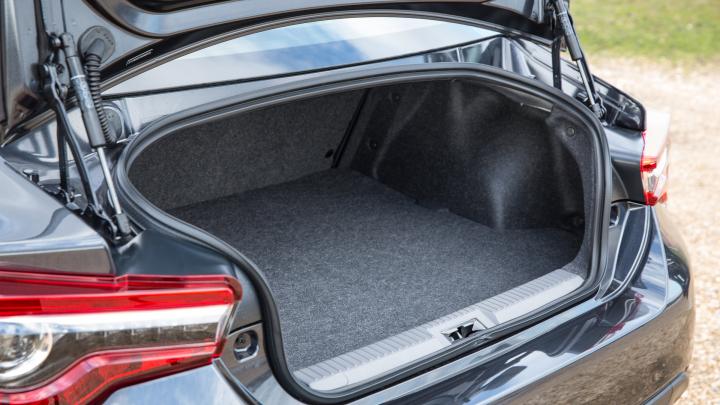
The trunk capacity of a GT86 is less than an AE86 but it’s big for a sports sedan; 237 litres. That’s also enough to fit a big haul of groceries or three big Samsonite suitcases, comparable to the standard Singapore taxi Hyundai Sonata.
As for ride comfort, the AE86 probably wins by a bit. The AE86 has a stiffer suspension due to the very old design but the GT86 without the TRD package has very stiff handling and pretty bad brakes. Both are low to the ground so expect bumpiness from the shock absorbers.
Although the GT86 gives you comfort with modern technology and such, you’ve gotta admit that the AE86 was more practical. It fits more people and has a larger trunk capacity. The back seats are more spacious. It has better handling and the engine was made to be more reliable. And of course, we can all live without Bluetooth or satellite navigation, we have mobile phones with it anyway. Just the cup holder. Yeah.
Price: AE86: 4/10 vs GT86: 8/10
The prices for the AE86 are god awful. The car is becoming more and more rare such that a fairly used one (about 200k miles) costs between USD$14000 to USD$20000, quite expensive for a used ’80s JDM car.
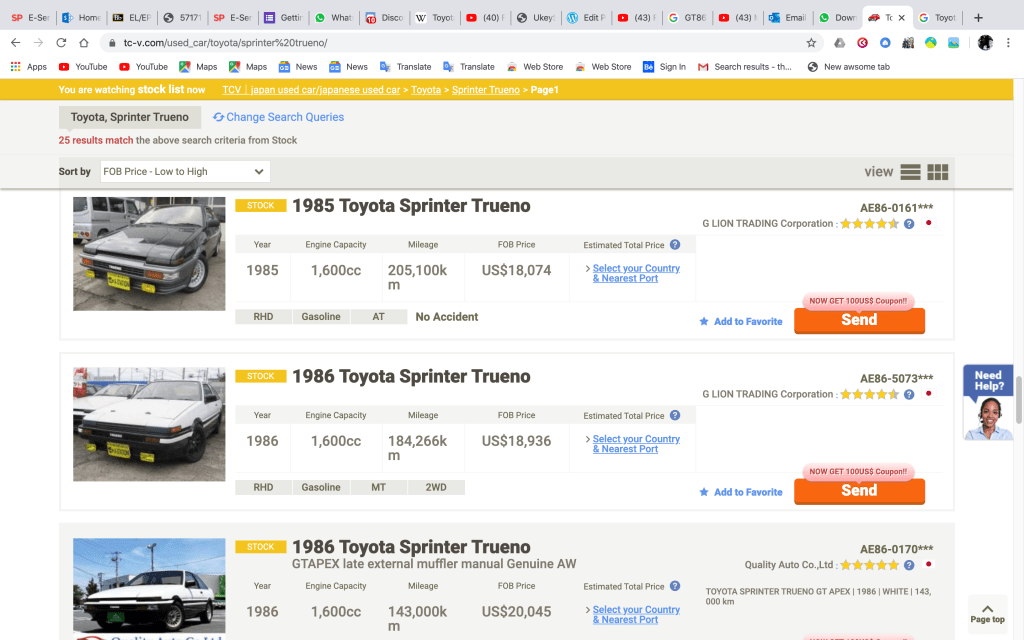
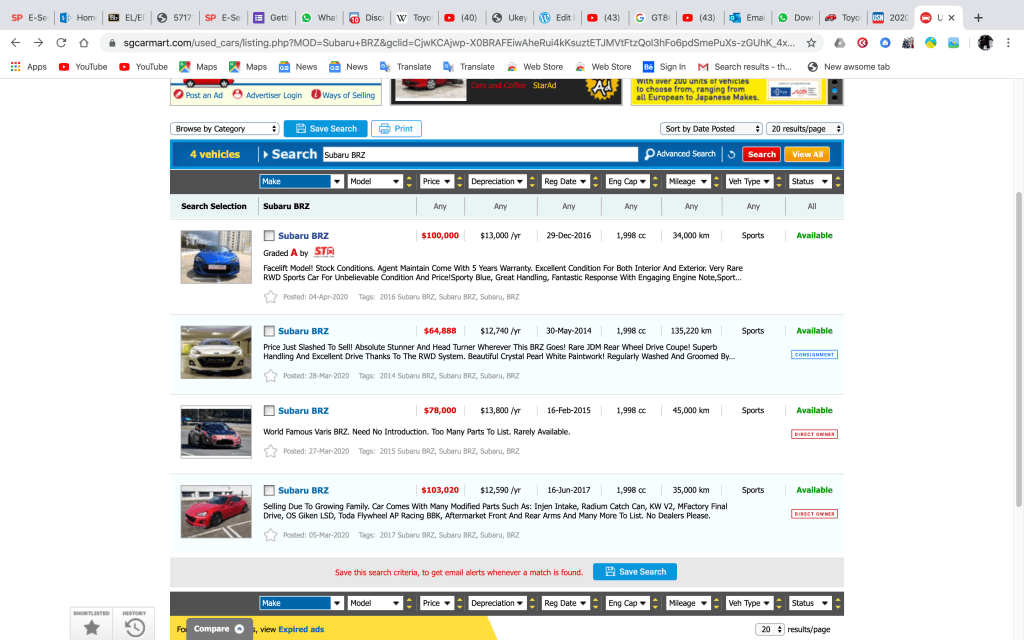
Even here in Singapore the AE86 is super rare. So rare in fact that i only found one result.
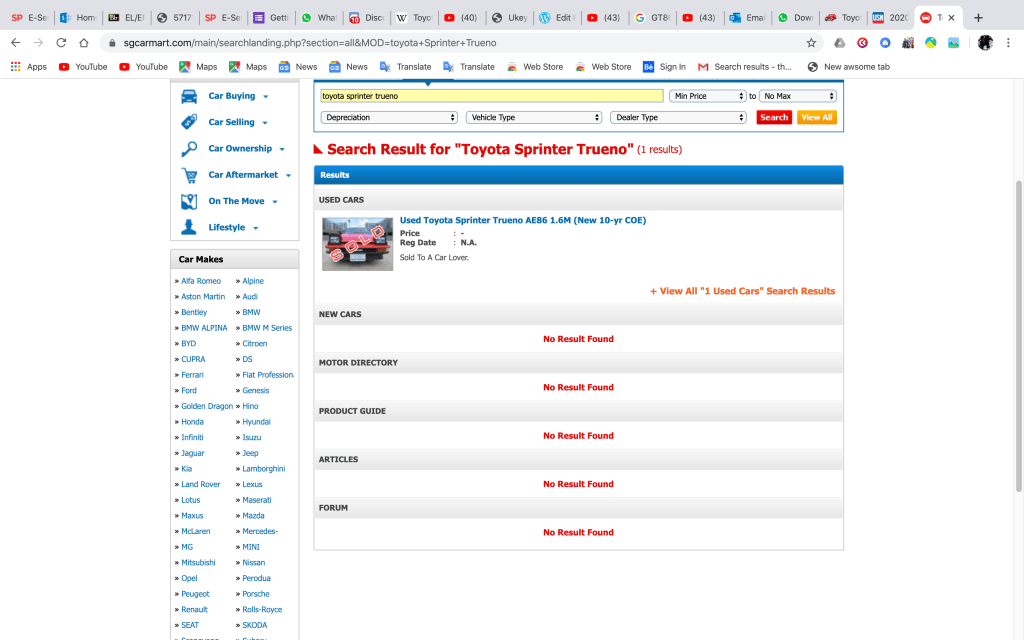
What’s worse is that the COE has already expired. So no buying any AE86 anytime soon in Singapore.
For a GT86 in America, you can get it new for about $10000 more than a used AE86.
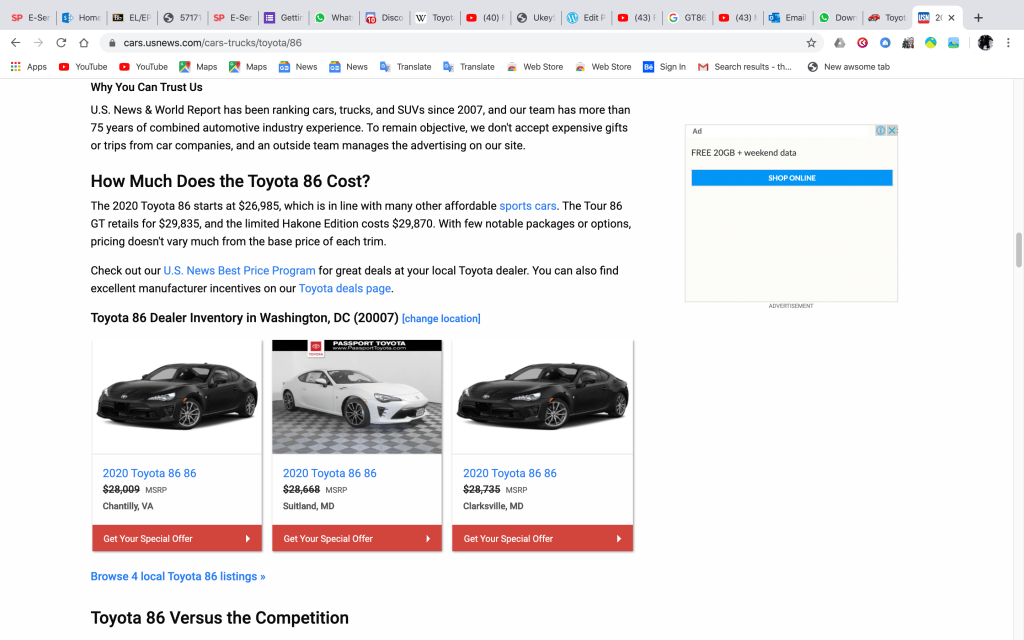
In Singapore the GT86 has become unavailable since 2015 since it’s now marketed as the Subaru BRZ. A used BRZ sells at about $50000 to $100000 with a COE of less than 5 years. Pretty standard for a sports car.
Overall: GT86: 4 points vs AE86: 2 points
It was close but what ultimately sealed the AE86 fate was the exhorbitant price, the underwhelming engine and it’s limited styling. Although more reliable, the fun factor isn’t there for the AE86. It’s tough to mod both inside and out and you’re lucky if you even find one.
As for the GT86 it proved itself as a worthy successor due to the fun you can have with it for it’s cheap price. Unlike the AE86 the GT86 is available everywhere. It has a more powerful engine that’s almost as reliable and the mods and engine swaps are almost endless.
If you want a great daily driver with a retro ’80s JDM feel (and of course to feel like you’re Takumi Fujiwara) without the ability to go fast the AE86 is a good choice. But if you want to go fast and have fun while still being able to haul groceries and have to deal with your kids fighting for space in the back seat then the GT86 is for you.
With that said, let the Eurobeat intensify!
 Thomas' car reviews