I’ll probably change the styling and structure of my reviews. Content will stay relatively the same, however, instead of giving numerical scores I’ll put my general thoughts of each category as the heading from now on since it looks more attractive.
The Peel P50
So a lot of you guys asked me to review some weird or unorthodox cars
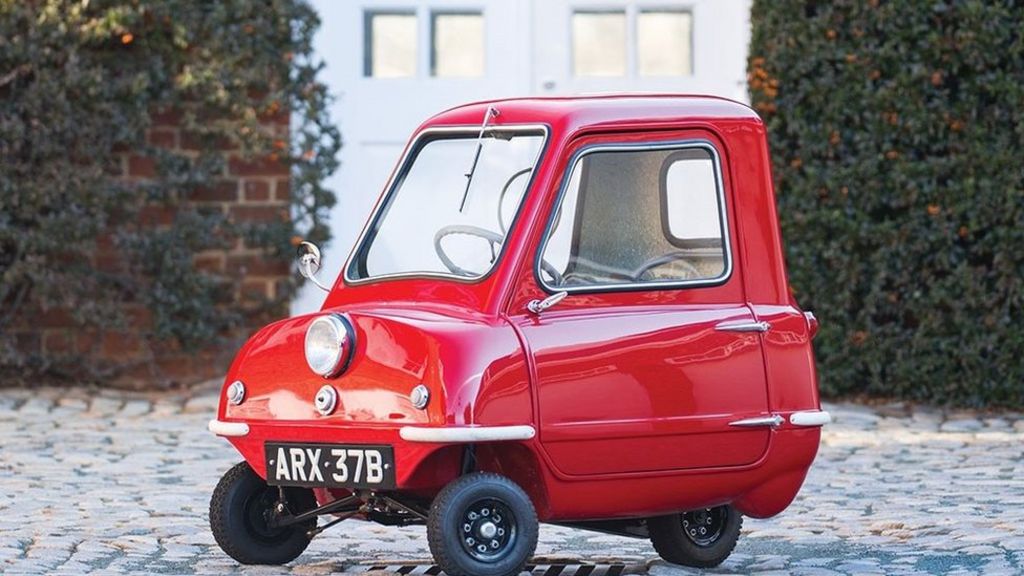
Welp, your wish has been granted.
Introducing the Peel P50, the smallest car in the world. This car was made in the unassuming Isle of Man. For those not in the know, the Isle of Man is an offshore island between England and Ireland, famous for holding the Isle of Man TT, an annual motorbike race around the island, known for being one of the most dangerous races on earth.
the Peel P50 was also advertised as being a cheaper alternative to public transport, strangely enough.
Looks: 9/10
This might not be supercar beautiful but it has it’s own petit charm.
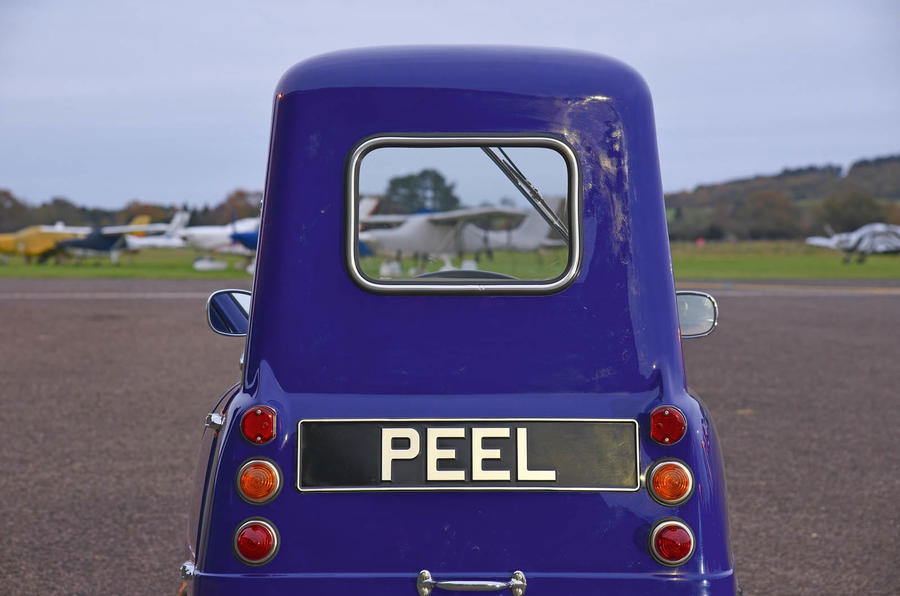
Starting from the back it’s definitely a sight to behold. You can see how narrow the car is. It doesn’t look very bulky it just looks very……. how do i describe it…….
Ah…. cute.
I was never really a fan of cute things but goddamn even the back of this car is giving me that mini 7 Wonders of the World vibe. The bottom of the car looks very conical and the top looks very slim. It’s like having a really fat butt but having a very thin waistline and body.
You know those Disney princess shows that have gala dancing with those spoofy dresses?

Yeah they do look like that. It looks unique because not many cars look like that and it’s an instant head turn. The rear lights look very reminiscent of ’60s cars rear lights, just little dots at the back.
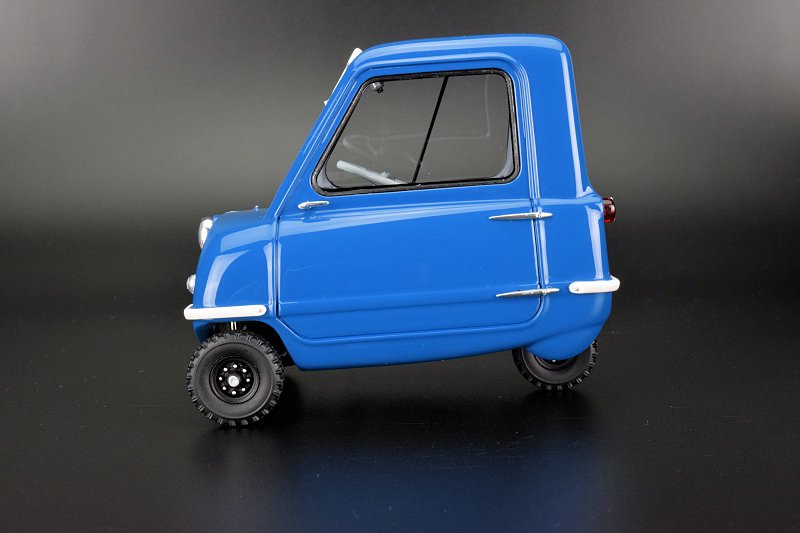
At the side you can see just how small the car is based on its length. The average length of a car, being the Audi A4 is about 4.5 meters. Here the length is 134 cm, around two and a half times shorter if my math is right. You can see how the single wheel at the back juts out near the door as well as the two front wheels that are totally exposed to the elements. You can see the boxy design from the ’60s with the very geometric door design. It’s another eye opening nostalgic design you can’t find on modern cars and that’s a plus. As for the tires, there’s actually nothing really remarkable except for the fact that they used all terrain tyres.
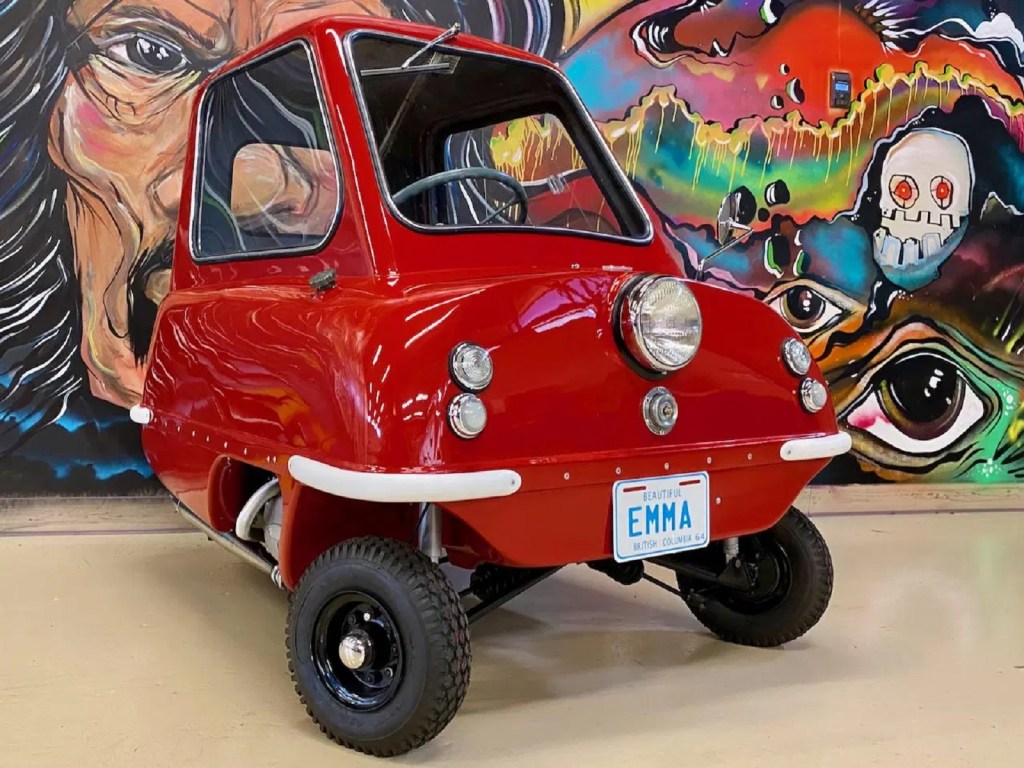
The front is really unique. From afar it would look like a motorcycle was approaching because of the singular big headlight, but then you see the other four foglights and you would probably know that it’s a Peel P50. Then again it’s a very strange layout for headlights but for a car as small as this i would think that it gave maximum visibility at night on the backroads of small towns in the Isle of Man.
Note: I’ll be skipping Modability for this car because most people that have this car keep it as pristine as possible. They only have screenshots from a game and the picture quality is horrid and frankly, modability in some games aren’t realistic.
Engine: 2/10
Now, hear me out, there’s another reason besides the performance that does not make this engine good.
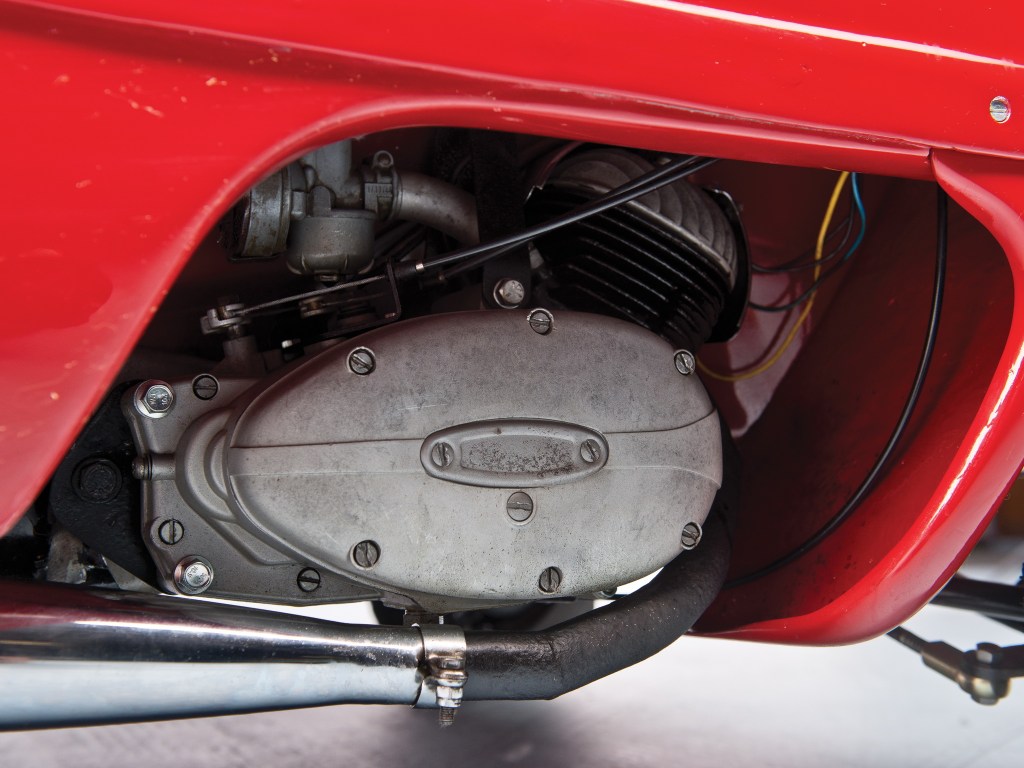
A small car of course has a small engine. Of course this engine can be used on a trashy motorcycle. They sold two types of P50s, an electric version and a petrol version, with both a manual 3 speed gearbox with no reverse gear (how the heck are you gonna park??) ,a one speed fixed gear ratio, or for the EV, a continuously variable transmission. Now the stats are awful. It’s a 49cc engine with a 37kph top speed and a measly 4 hp (3.5hp in the EV). There’s not even a 0-100kph time nor is there a quarter mile time for this car, granted, because it wasn’t made for that purpose.
Now what do stats this awful mean? It can’t keep up with traffic even on side roads even though it was made for city streets. If there’s an incline the car wouldn’t be traverse it. That’s why cars today have at least 95bhp and has a top speed of at least 150kph. But again, the engine wasn’t the intended selling point of this car.
Practicality:4/10
This car was sold to be a small car that can fit through small tight spaces be it in traffic jams or narrow European streets, made to fit only the driver and to have space for a little bit of groceries. You probably can fit a passenger inside but that does require a bit of effort.
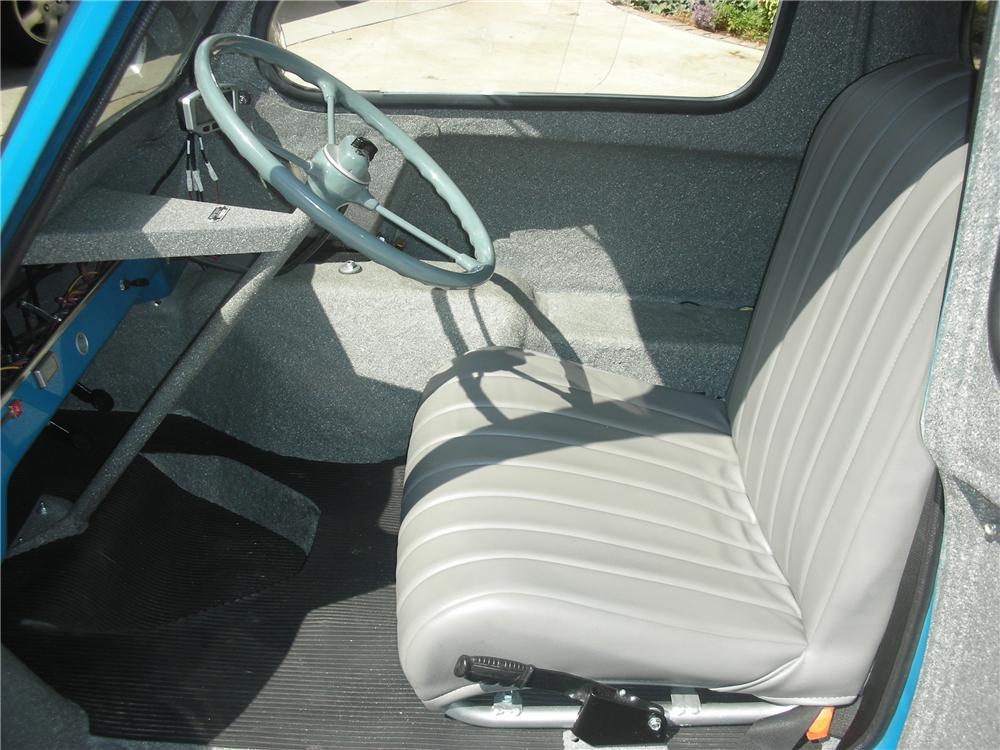
For amenities it is absolutely shoddy. No air conditioning, provided it was made in the ’60s, no radio and it had a sliding window. Bluetooth wasn’t invented, GPS wasn’t invented nor are there cup holders. The steering wheel looks pretty standard for a ’60s car and the seats are pretty standard, no beautiful premium embroidery, just cheap factory leather. That said it does provide a little bit of comfort. Other than that there isn’t any redeeming qualities for the P50’s interior. It’s small as a microcar should be, it’s cramped, which induces claustrophobia and overall not a good experience, even more so if there’s a lot of groceries involved. If you worry a bout safety, fret not! Safety standards are about as good as a Ford Pinto! (which is to say not very good). They only have a seatbelt and even then you probably won’t use it.
Price: You can’t get this car anywhere.
It’s not like other cars where they’ve stopped production and there’s still a market, the Peel P50 is very rare. they only made 50 P50s and only 27 still exist.
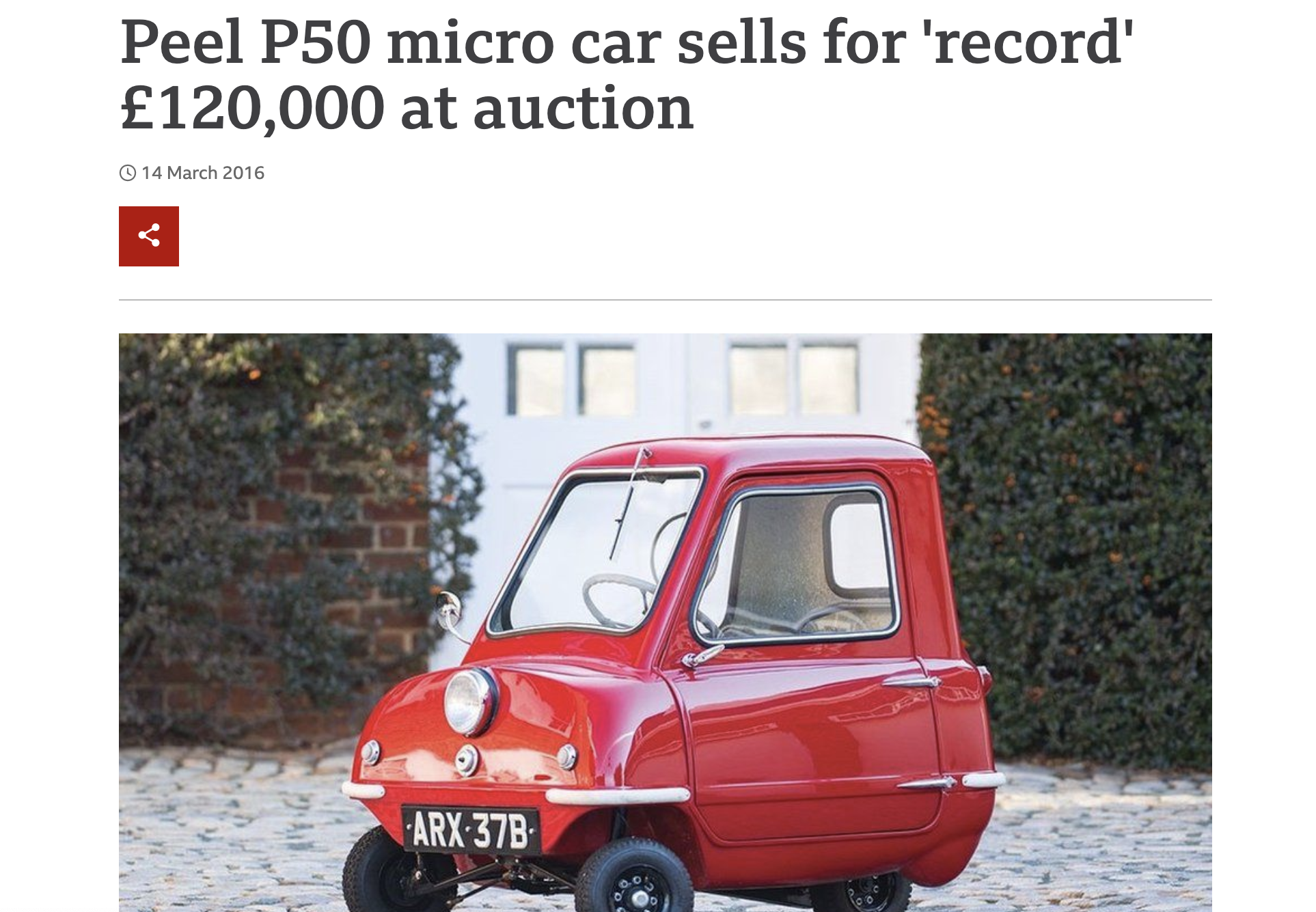
The last known sale was in 2017 where a Peel P50 sold for 59,000 Pounds Sterling, (about SGD$108,000 ). There are companies in the UK making recreation Peel P50s for 13,000 Pounds according to Autocar if you want a taste of driving a microcar. However, don’t expect the Peel to come to Asia, it will take a long time for that. Let’s just say that as of 2021, don’t expect to get your hands on this car.
Overall: 4/10
Since it’s so rare i’d rather entrust this car to a collector or a Garage Queen (a person who keeps it in his garage to show off) rather than buy it myself. Sure it’s novel and is a head turner but if i were to buy this and drive it every day I’d drive myself mad. Would I recommend it to anyone? I’d say proceed with caution. Unless you just want a head turner and instant gratification for a month, you’re not getting much for an arm and a leg. It holds the Guinness World Record for the smallest car in the world for a reason, none of it being particularly good…..

Lamborghini Aventador LP700-4/740-4
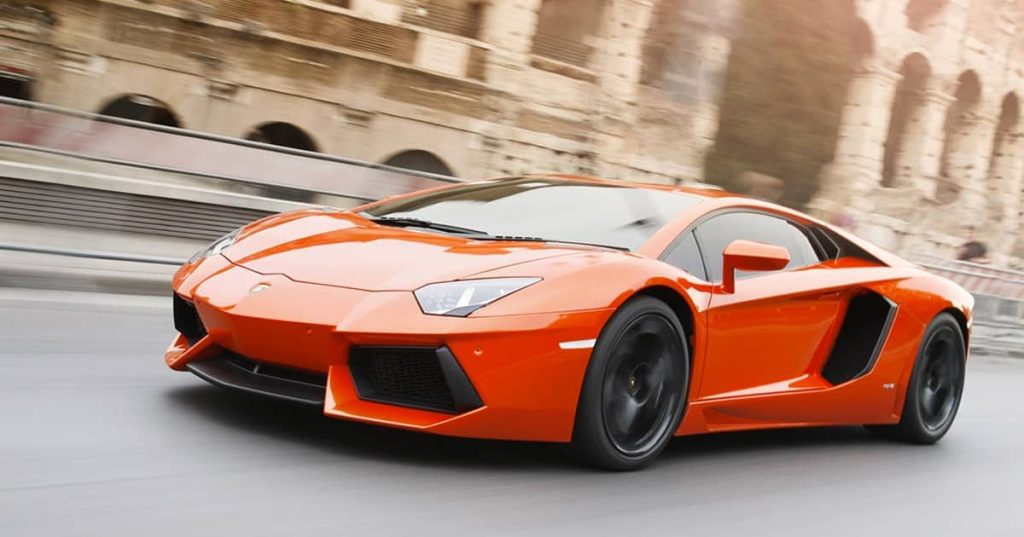
Imagine this: you’re taking a holiday around Italy. Rustic back alleys, old buildings, Trattorias making awesome smelling pizza and bread. And then you hear something, the deafening howl similar to an F1 car. You look around and find a bright orange looking car, the glossy paint shining from the sun’s rays, the sexy little curves…… and an egg? There’s one, then there’s a few and then the car is getting pelted with eggs with people shouting “SCREW YOU RICH KID” In Italian.
Nah.. i’m exaggerating but having this car is literally one of the biggest flexes in the world, even more so if you get the SV (SuperVeloce) or the SVJ version. This is the Lamborghini Aventador. A car so good that at the time (2011) Car and Driver claimed this car was “the best car ever” and Motortrend claiming it “probably is the friendliest sports car in the world”. It beat some of the best of the best of sports cars in the Top Gear track with a time of 1 minute 16.5 seconds.
The car comes in many many versions, you have the original Aventador which stopped production in 2016, the Aventador S which is still in production, the SV, the SVJ and the Roadster. There’s way too many models to count so for today I’ll only be covering the base model and the Aventador S. The SV and SVJ deserve separate posts altogether.
What do I think of this car? Is it just a car specifically to show off your status? Or is this super high price tag worth it?
Looks:10/10
This car is by far the most beautiful Lamborghini ever made. Period. The Huracan doesn’t even come close
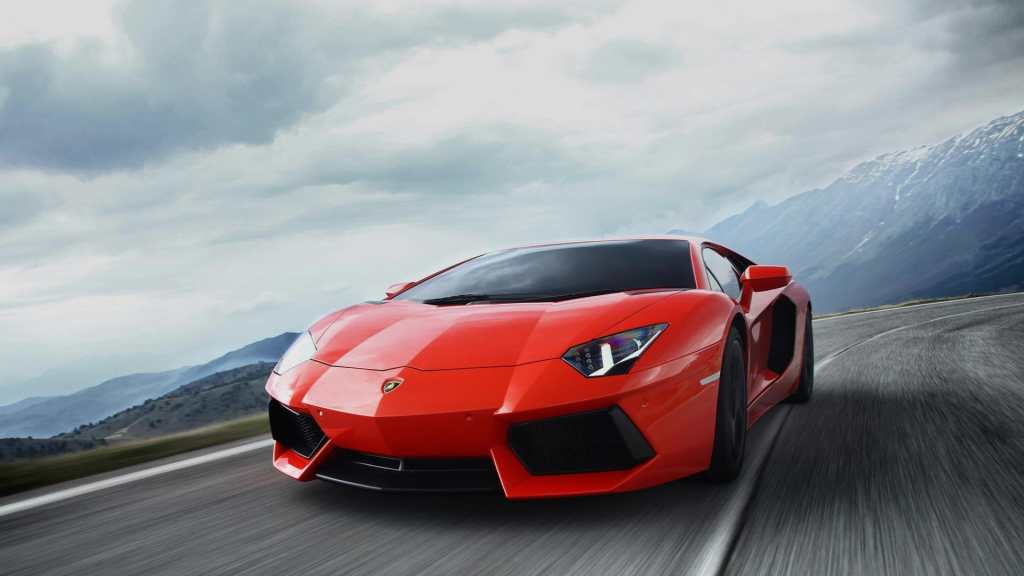
Overall the Lamborghini Aventador has a sleek streamlined design made for performance. But what Lamborghini got right this time was balancing car performance with looks.
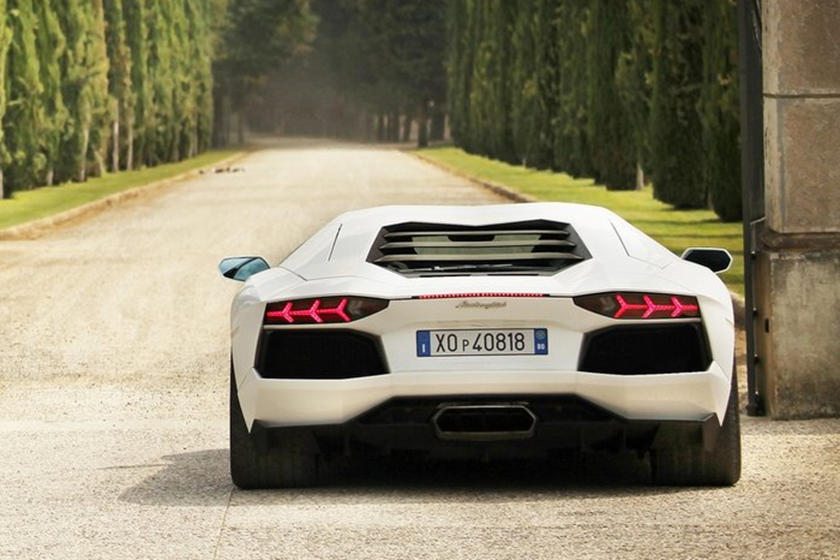
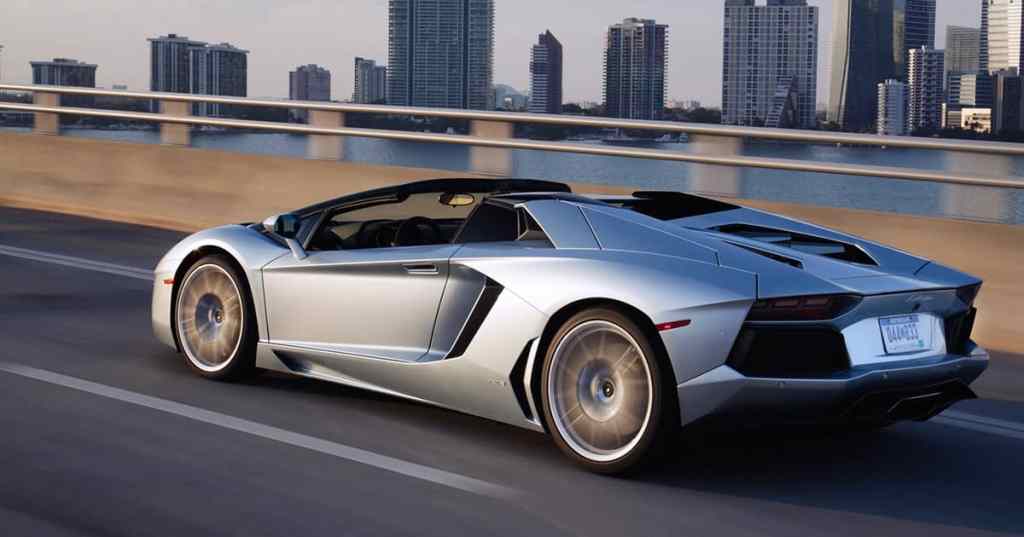
Starting from the back we can already see the signature curves and hexagonal patterns. The small sleek taillights make the car look more ferocious, like a back of a bull ready to gore a matador. It looks beautiful and honestly it grates people if they lose in a race against this. And honestly that’s a feat to do if you have an unmodded car. At high speeds, the groove at the back makes a spoiler pop out to keep the car planted on the ground. This car was one of the first few cars to implement this and since then cars like the McLaren Senna, the Bugatti Veyron and other later Lamborghinis use this.
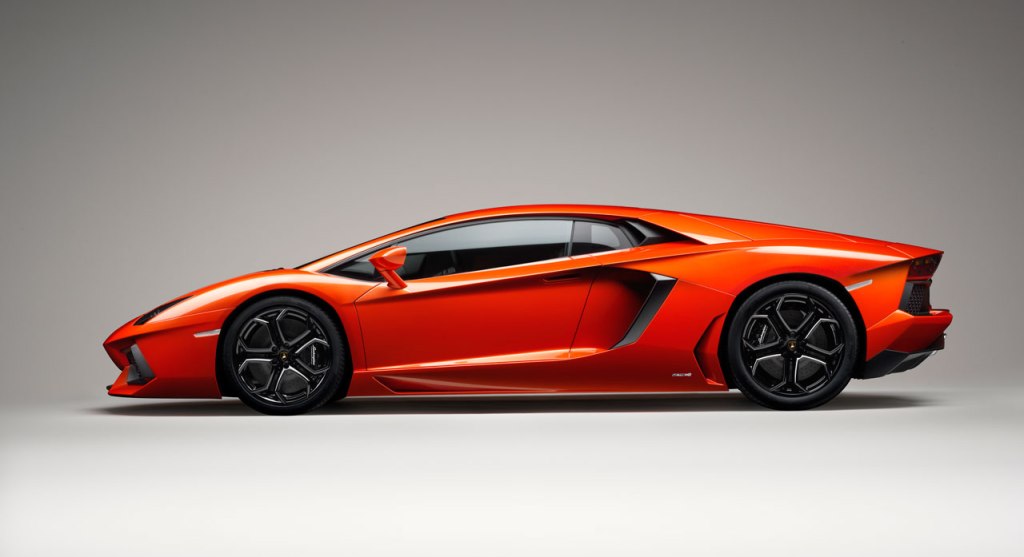
From the side you can see just how low to the ground the car is. You can see how sleek it is, how it cuts through the air like butter. The designers really did a good job in the aerodynamics sector of the car. You can also see the huge vents sucking in air into the twin turbo V12. They don’t look out of place like the recent Civic Type R with all the fake vents and really blend in well with the design.
Fun fact, the doors; typical of Lamborghini are scissor doors. Not only do they look cool, they save space when parking. Pretty neat.
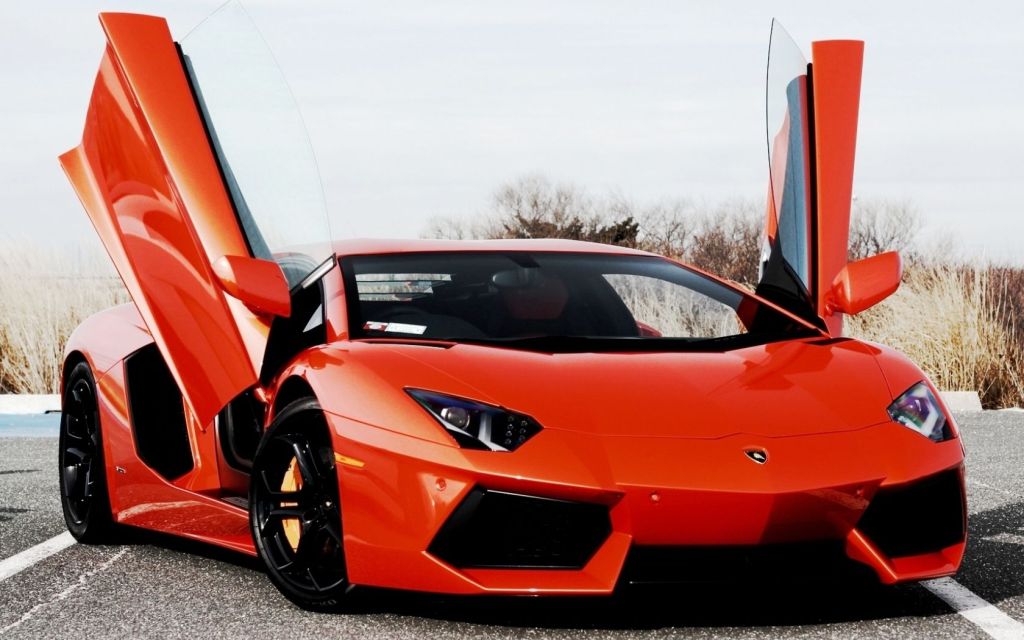
Moving to the front you can already see the width of this car. I mean, it isn’t called the widest car in the world for nothing. But how is that important? Looks wise you can see from the front, again, just how streamlined it is. It’s also important because of parking, it’s tough to park a very wide car. This combined with the low ride of the car will probably cause some clearance issues. But on the bright side, the extra diffuser on the front generates more downforce for the car to stay planted in addition to that pop-up wing so you can expect massive grip when going fast.
In terms of looks the only big difference between the Aventador LP700 vs the LP740 roadster is that the roadster has a soft top. Neat.
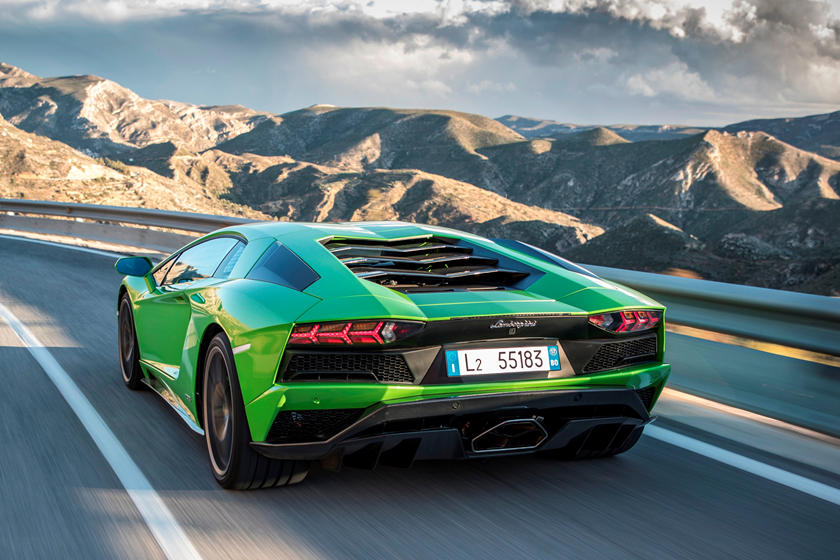
The introduction of the Aventador S added a small carbon fiber wing.
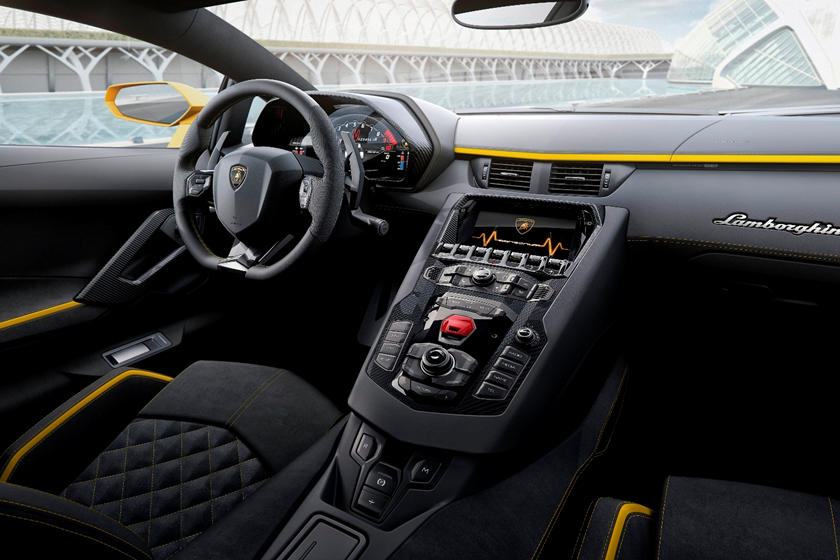
The Aventador and the S have essentially the same interior with some weight saving measures.
One look at the interior and you can already tell Lamborghini wanted that Aston Martin feel to it. It’s racey but at the same time it has the luxurious premium feel to it. The interior, Lamborghini claims, is made of “materials of the highest quality and present an infinite array of possibilities” and it really shows. Personalisation is key when talking about the interior. Not only does Lamborghini pick only the finest of leather when styling the interior, they give the customer various choices in terms of the type of leather and the colour of the overall interior in fact, so this is a plus.
You can also see that the Lamborghini steering wheel is almost like your standard sportier grocery getter. Some toggles on the wheel itself and a paddle shifter.
I’d also like to take a moment to talk about the centre panel
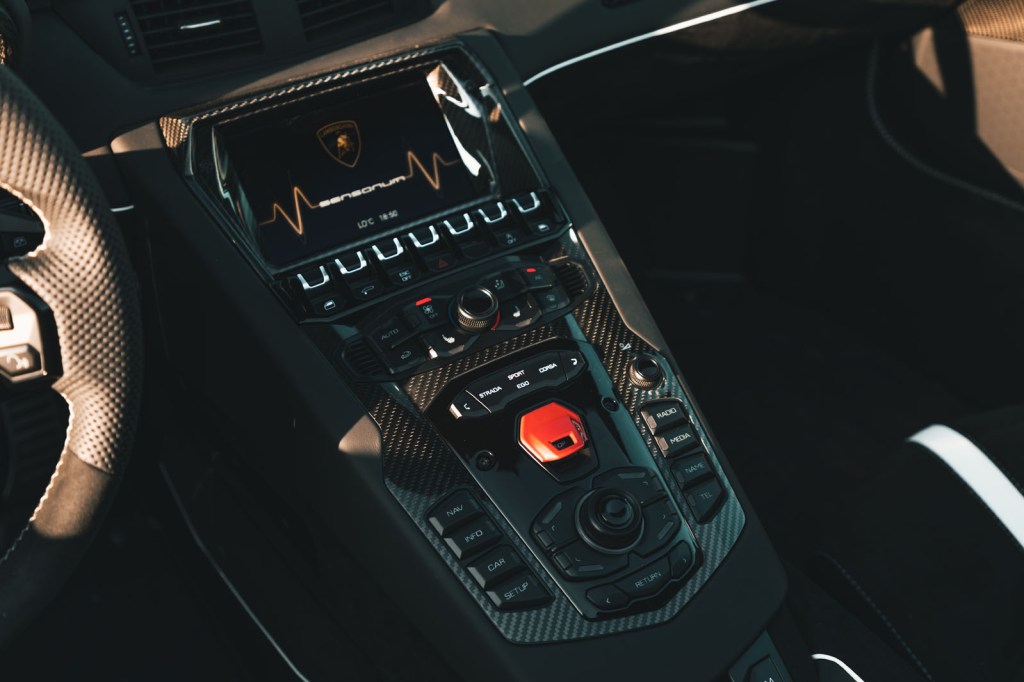
The centre panel looks intimidating at first but it has everything you need, the Start engine button, the radio toggles, mode changer and even a fine tuner when you want to change the brake balance of the car. It has an LED screen that gives you Satellite Navigation, the functions increase with the S and the SVJ ranging till Bluetooth and Apple CarPlay. I like that it’s made out of carbon fiber, a good departure from wood used in a lot of other cars.
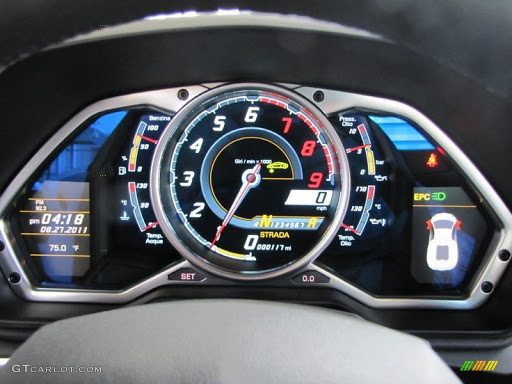
The gauge cluster of the Lamborghini is probably one of the cooler ones I’ve seen next to the Dodge Demon. It’s all digital and is really appealing to look at. The tachometer is the most prominent one with the speed confined to a little box below the 9000 rpm number, great to measure precise shifts when racing.
Although the looks do impede with practicality, you can still say that it’s all worth the head turns when you pull up in this whip.
Modifications: 6/10
Honestly, not a lot of options when it comes to modding unless you want to spend an exhorbitant amount of money.
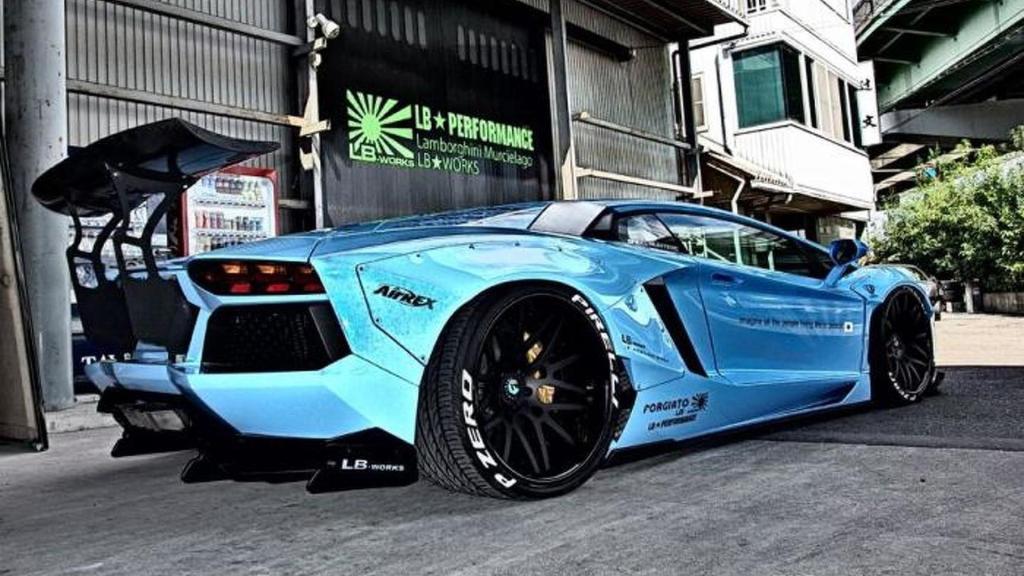
The usual go-to for a Lamborghini or any high performance sports car for that matter is body kits. Rarely do you find Lamborghinis with the same variety of mods like the Lancer Evo VIII or any JDM car.
What this means is that variety and freedom for modding has been stifled significantly. You only get mods specific to said body kit and whether you like the part or not, you have to deal with it. However you do occasionally find Lamborghinis, especially Aventadors with a wing, a splitter, a diffuser and maybe some vinyls with maybe a wrap. Many brands like Enkei, BBS, Yokohama, Advan or Rocketbunny don’t make mods for Lamborghinis (as far as i know, please correct me if i’m wrong) so you have to stick to the more expensive brands like Libertywalk or Mansory.
Even taking the engine apart and modding it is tough. One wrong step and you’re gonna have to pay a hefty price, hundreds of thousands of dollars to be a bit more precise.
That doesn’t stop the Aventador from looking cool as all hell though
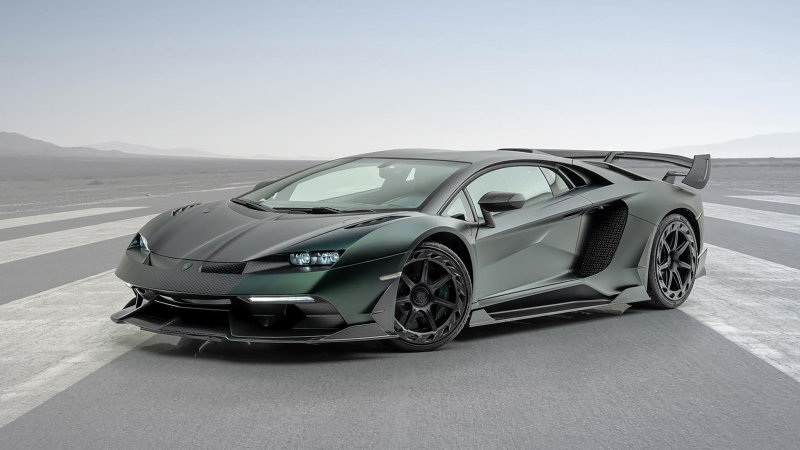
That said, due to the sheer lack of variety i’m gonna keep the score pretty low.
Engine:8/10
This is why it’s rated a high score.
Before i delve in any further i have to talk about the sound. THIS is the sound people miss from F1. If i have to rank the sound of the engine of any car whatsoever, this would be my number 1.
Now for the engine itself
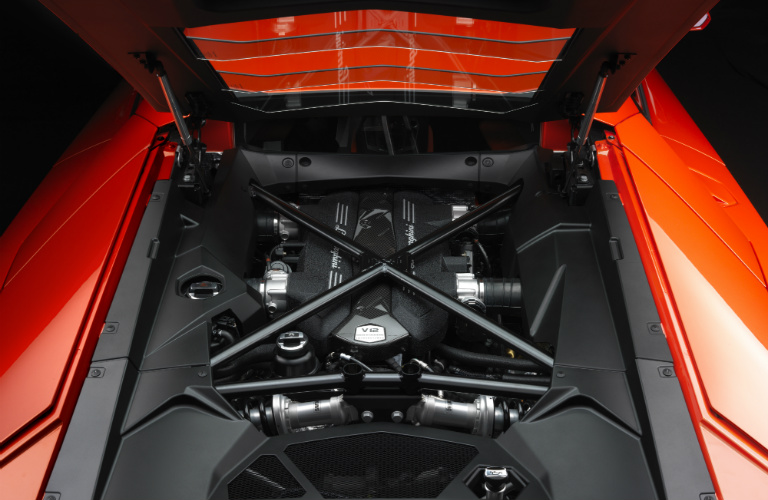
Oh, can’t see?
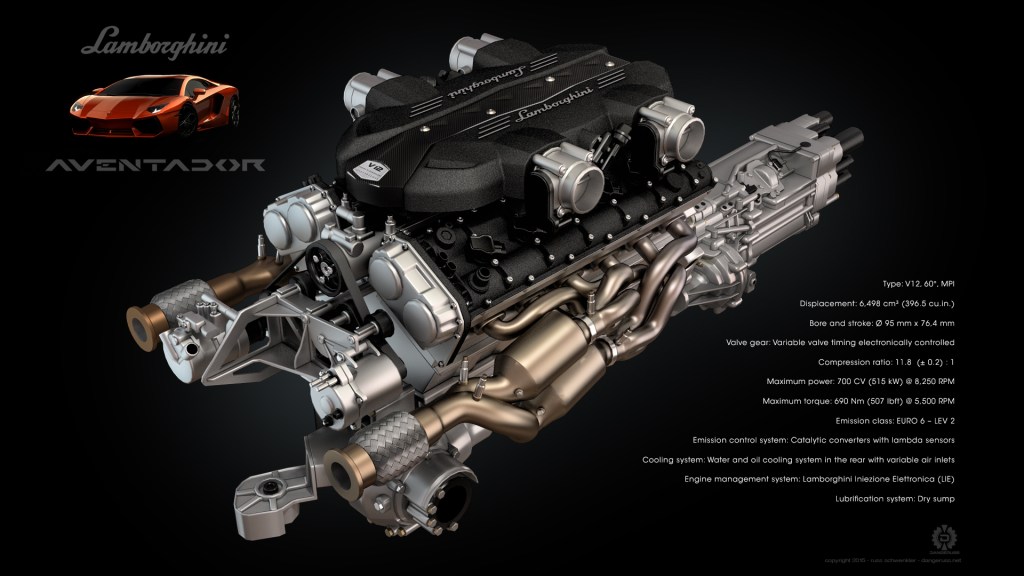
Ahh.. better.
This engine is a beast. Lamborghini at the time tried their hardest to fit a whopping 690 bhp into a 5.2L V12 and it really shows. The top speed of this car is fast by modern standards, about 350kph, or for those in the USA, about 217mph. It’s not as fast as, say a Pagani Huarya but it’s still pretty fast. Put that with a 0-100kph (0-60mph) time of 2.9 seconds and 509 lb ft of torque and you have a monster in terms of acceleration and cornering. As for the Aventador S it producer way more power, a whopping 729 bhp and is lighter though with the same amount of torque. this has led to sub 7 minute lap times on the Nurburgring which is an achievement in and of itself. The 9,000 rpm range shows that the Aventador probably won’t break at particularly high revs though you still need to be careful.
The best and the worst thing about this is that the engine is all handbuilt by Lamborghini themselves. While this might hold some prestige do note that if you happen to crash or break a Lamborghini Aventador, parts will be very hard to find. The block by itself is a few tens of thousands of US dollars, not to mention gaskets, bolts, the flywheel, the turbochargers, the headers, the cylinders…. yeah. That’s gonna leave a huge hole in your wallet.
Price: 7/10
Considering the amount of work Lamborghini put into making the car, the power output, aerodynamic gimmicks, the gauge cluster, the steering wheel and the awesome interior you would probably think the Aventador will cost a fortune, like more than a million USD.
At least in Singapore it does.

New, the Lamborghini Aventador or an Aventador S in Singapore can cost anywhere from $1,300,000 to almost $2,000,000
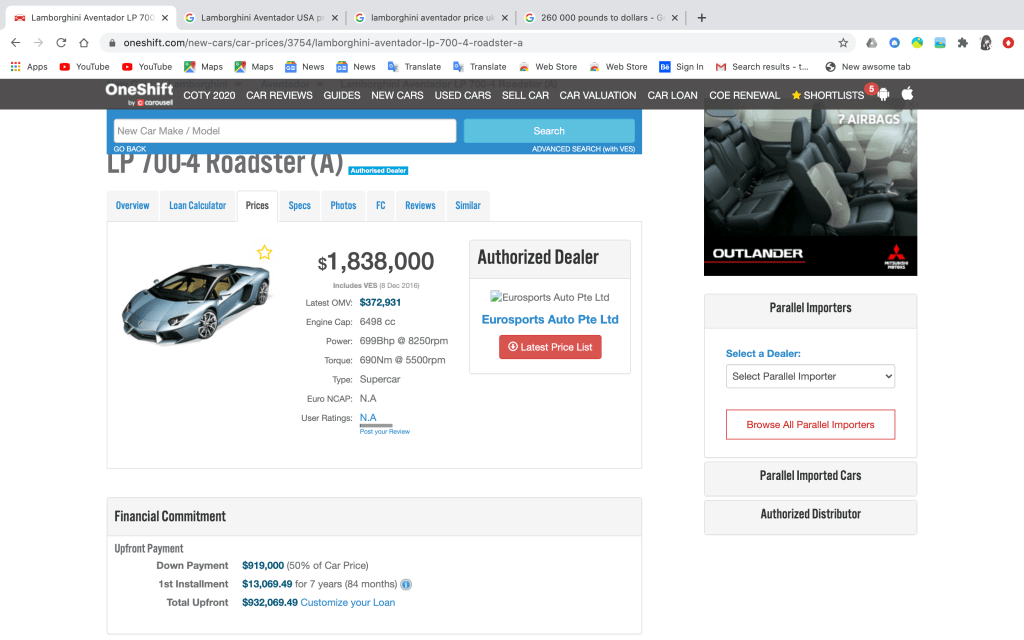
I really don’t think it’s worth the jump of $400,000 for the same engine, a few lightweight mods and a soft top. It just does not make sense. Plus again there’s the issue of having no space for what the Lamborghini was designed to do; go fast
In the UK and the USA it’s still pretty pricey but it’s not as bad as Singapore’s price.
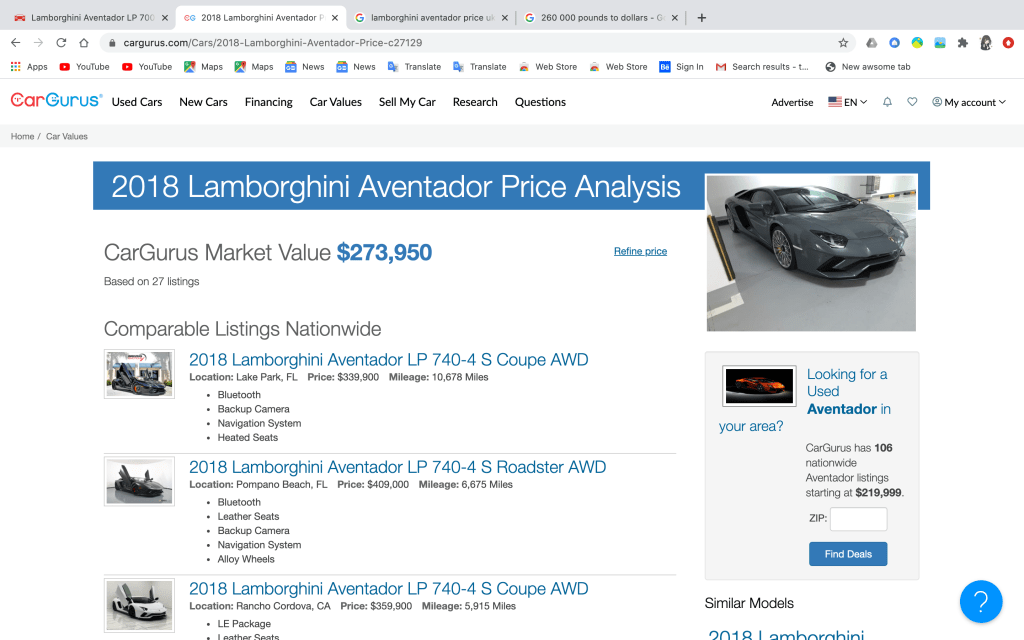
It costs around USD 200,000 to 300,000 for a used Aventador depending on the condition. New it costs around $450,000 to $500,000. Not many Americans can afford this but if you’re well off you might have a chance to get your hands on a used one.
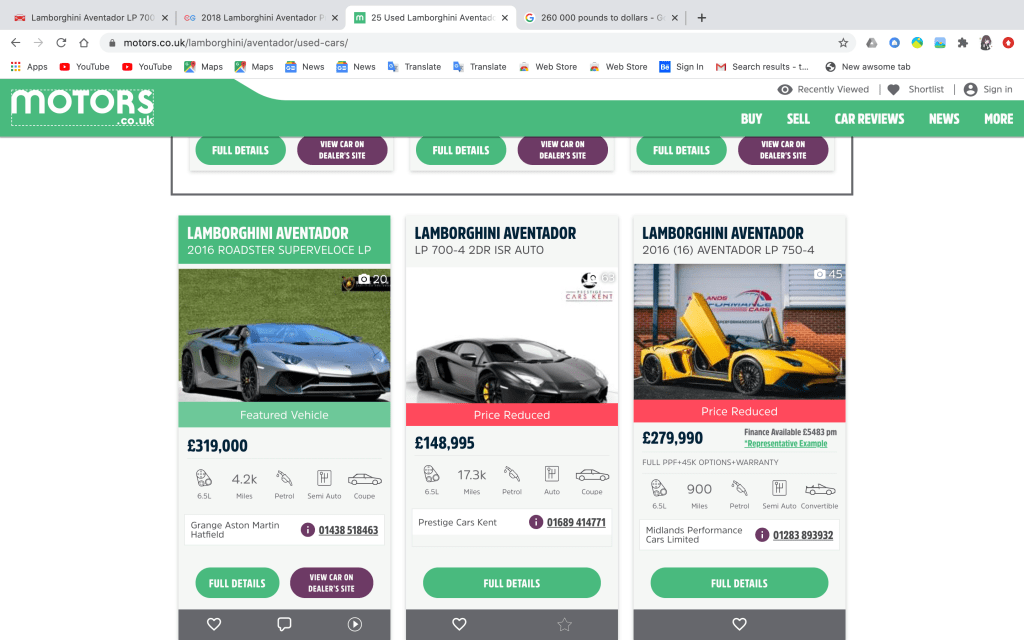
Used, an Aventador in the UK can cost from as cheap as 120,000 British pounds to about 400,000 pounds for an SV or an SVJ which is to say almost as expensive as a new one which is about 500,000 pounds. It’s the same case with America, if you’re lucky you can get a used one for cheap but get a new one only if you’re well off.
Overall: 8/10
Besides the price and of course the practicality, if you’re living anywhere other than Singapore you’re getting your money’s worth buying an Aventador. It has everything you’ll ever want in a supercar, mindnumbingly fast performance, a comfortable luxurious yet racey interior, a good reliable engine and a reasonable price.
Overall it’s a good car for daredevils and rich kids alike. If you wanna go fast, this car has the power and aerodynamics to do it. If you want to roll down the windows and your soft top the Aventador Roadster has both the looks and the soft top to do it.
It’s a plus if you have racetracks holding regular car meets and trackdays near you but it’s also a plus if you live in a country that’s NOT the 6th smallest country in the world and have the space to let loose a little bit.
*COUGH* Singapore *COUGH*
Classics vs Moderns: Nissan GTRs throughout the ages
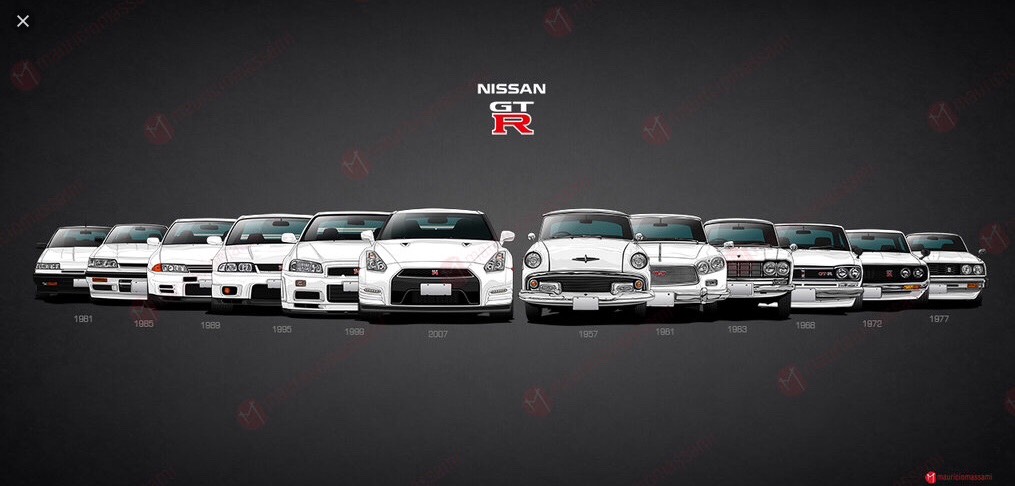
We take you back to the world of anime, cherry blossoms and samurai to review what is undoubtedly one of the most iconic automotive product lines that a company has ever made, the GTR line. Today we’ll be specifically reviewing three of the most favoured cars in the GTR line, the R32, R34 and the most recent R35.
The R32 was designed specifically to dominate the Group A touring car Championship in which it got it’s name, Godzilla because it knocked Cosworth off the throne for the throne for the Australian touring car championship from 1991-1992. The conversation probably went like this:
Bystander: “Woah look! a Japanese import car! what’s it called?”
Other Bystander: “The GTR. It’s a monster”
Bystander:”It’s not just a monster. It’s that King Kong rip-off the Japanese made”
Other Bystander: “Oh you mean Godzilla?”
And the rest is history. After the R32, each variation in the R line became known as the new Godzilla due to its consistent results. They won so much that turbocharging and all wheel drive were banned after 1993 which effectively knocked Rs off the throne.
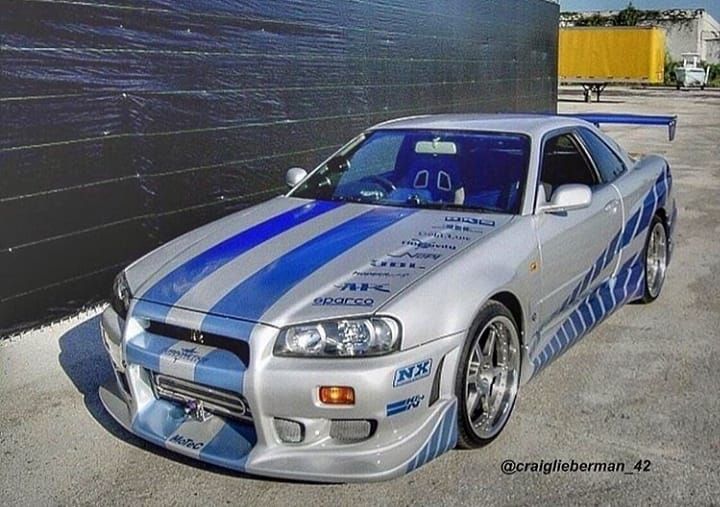
All the Rs became famous not only in the racing scene but also in pop culture. Both the R32 and the R34 became famous because of games like Gran Turismo which then spawned into various manga, anime as well as movies such as Initial D (in which there’s two R32s and one R34), Wangan Midnight (there’s a whole squad of people in Rs to try and beat the main heroine who also happens to drive an R32) and of course Fast and Furious (Brian’s R34 has become one of the most iconic Rs anyone has ever seen). Side Note: the R32 has become one of the most competitive JDM cars in almost every racing game i’ve played. I’d also like to point out that Gran Turismo itself was a direct factor in the development of the R35.
The R35 has become somewhat of a disappointment for a lot of car enthusiasts. It wasn’t prominently featured until the release of the new MF Ghost by Shuichi Shigeno, the creator of Initial D which was barely two years ago. The main problem with the R35 was for a lot of people, it didn’t have the legacy a lot of its predecessors did so it’s not largely bought. But then again car enthusiasts are shocked by it’s newly revamped engine as well as the advancements in modern technology to make the car the 9th fastest car around the Nurburgring in 2011.
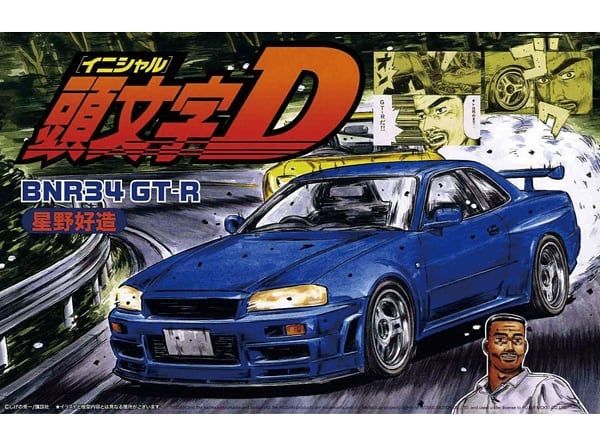

So that does beg the question, is the newer version of the R better in every way due to modern technology or does the culture and cult like following surrounding the R32 and the R34 make the R35 become a mere Donkey Kong in the face of a real Godzilla? Here’s my take on which car is the best.
R32 looks: 10/10
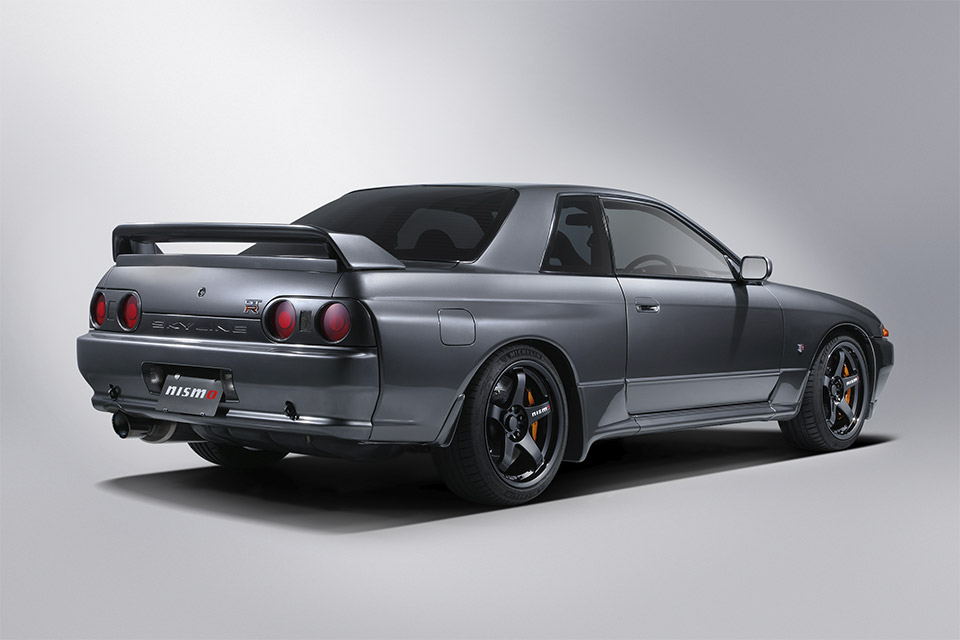
A lot of people have argued that the R34 looks better but i digress. I think the R32 and the R34 both look badass but first let’s zero in on the R32. Overall the R32 has a much more boxier look. It’s less sleek but it looks very light and nimble, able to zip through corners at high speeds. Starting from the back we have the boxy rear end which does not come with the wing stock form. You have the circular four rear lights which has retained throughout the years which personally i think the R32 does best. Then there’s the iconic Skyline badge emblazoned near the lights with the GTR badge shining proudly, something that has also been carried over the generations.
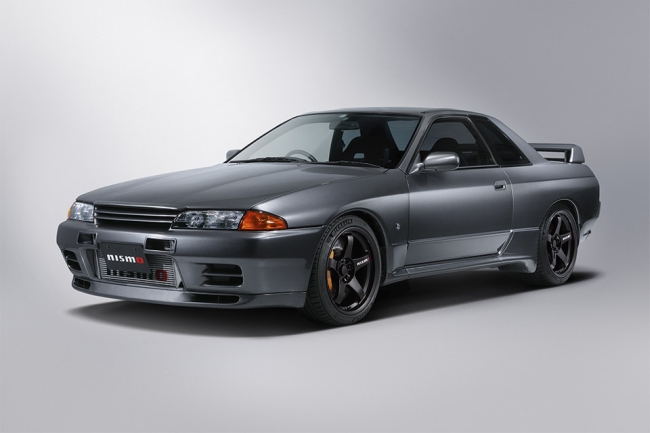
On to the front, normally we have a GTR badge in front as well but since it’s a NISMO in the picture they don’t have it. Anyways, this particular model has a bigger bonnet than normal which does make it look better in my opinion. What made me like this car in the first place was the headlights. a really simplistic design which makes the car look fast and sleek when in reality it’s a boxy car.
Overall for the R32, a very simplistic design. Nothing complicated like the hexagonal patterns of the Lamborghini Aventador nor is there complicated aerodynamics like the NIO EP9.
R34 Looks: 10/10
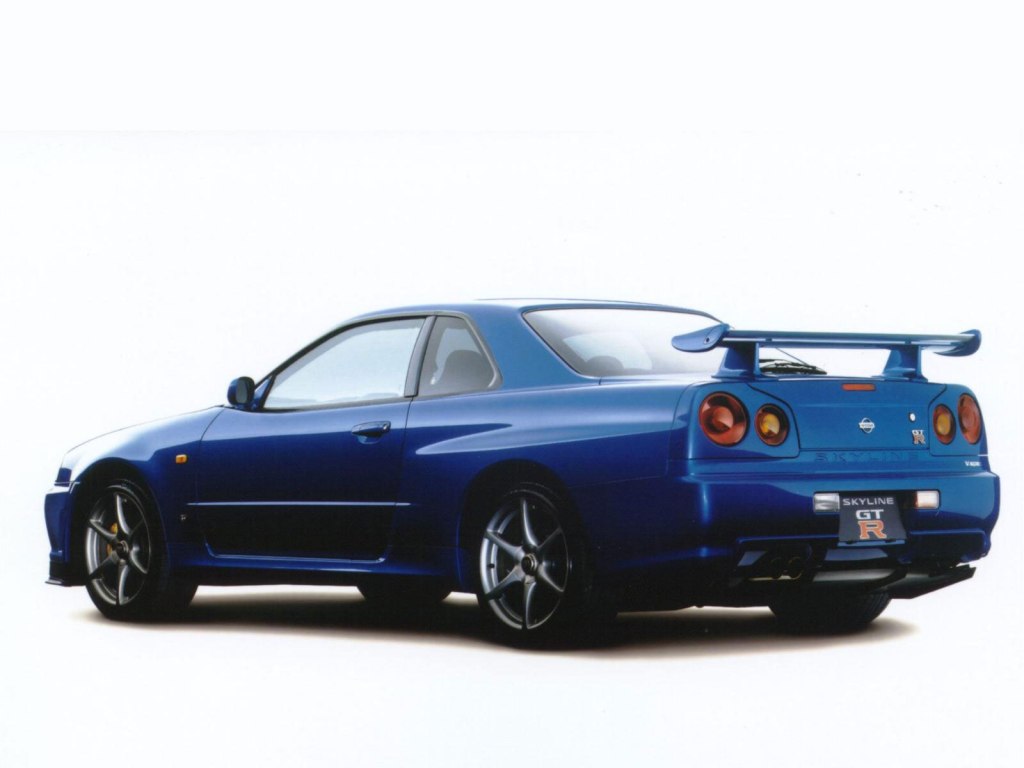
A much sleeker look than the R32 for sure but it looks way heavier and less nimble; a machine built mainly for top speed rather than really good handling. Either way i still love this sleeker look and it does look faster in a straight line. From the back we have the signature circular rear lights which was repositioned from the R32 and R33. We have a rear wing that came stock with the car which was really cool. It also had a rear diffuser, something the R32 and R33 never had to aid with handling and airflow.
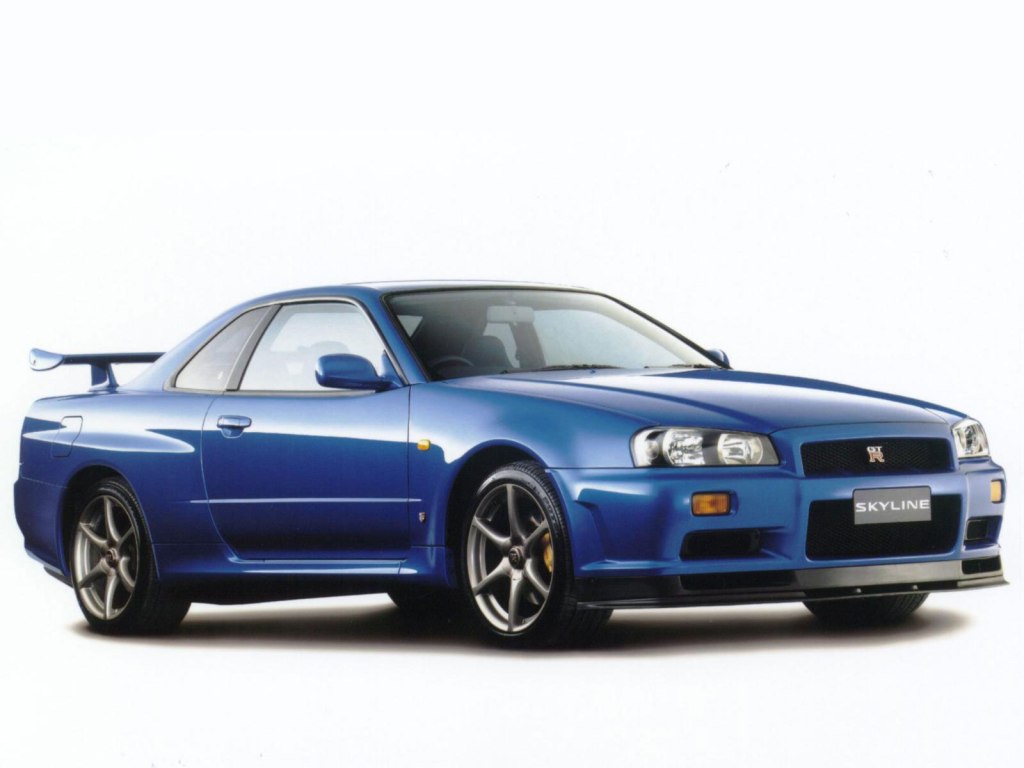
Moving toward the front you can already see the similarities and differences between its predecessors. It has the same long front end and a bonnet as big as the R32 NISMO. It’s also a bit wider which really makes it seem heavier than the other cars. The headlights have been redesigned which i equally like as much as the R32.
R35 Looks: 10/10
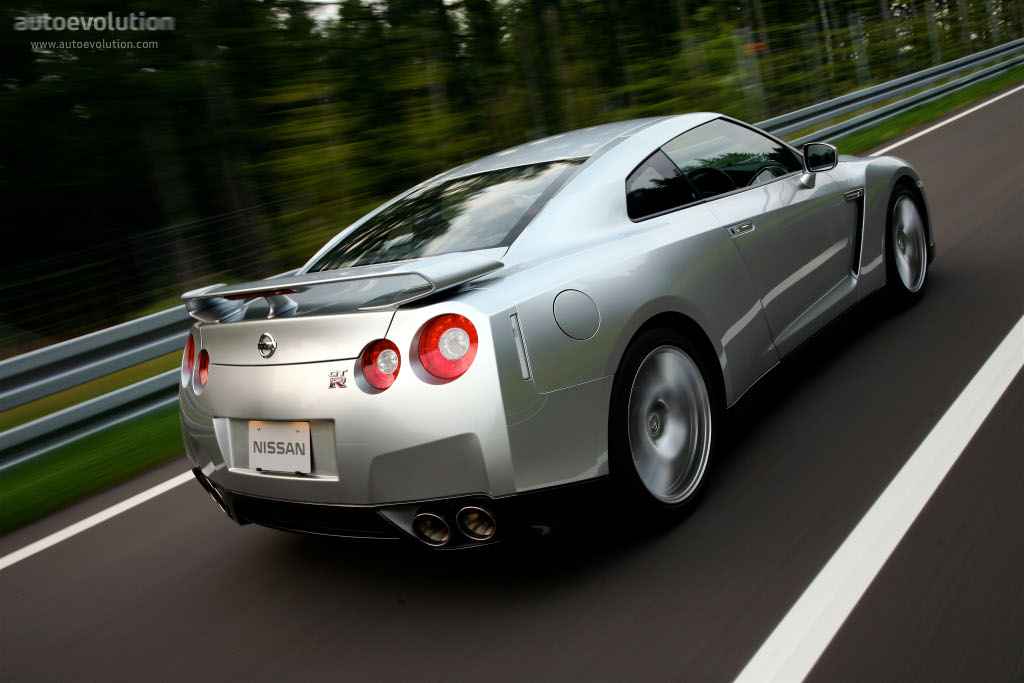
I don’t know about you but for me, the R35 is also very good looking. Overall the R35 is very sleek looking. Much more sleeker looking than the R34. It honestly does look a bit heavier than the R34 but it’s not much heavier. It has all the things the R34 and R32 have, in which despite it’s heaviness it does look more as nimble as an R32, the best of both worlds. They did keep the circular rear lights from its predecessors and that’s a plus. They did redesign the rear wing and the rear diffuser, adding two more exhaust pipes.
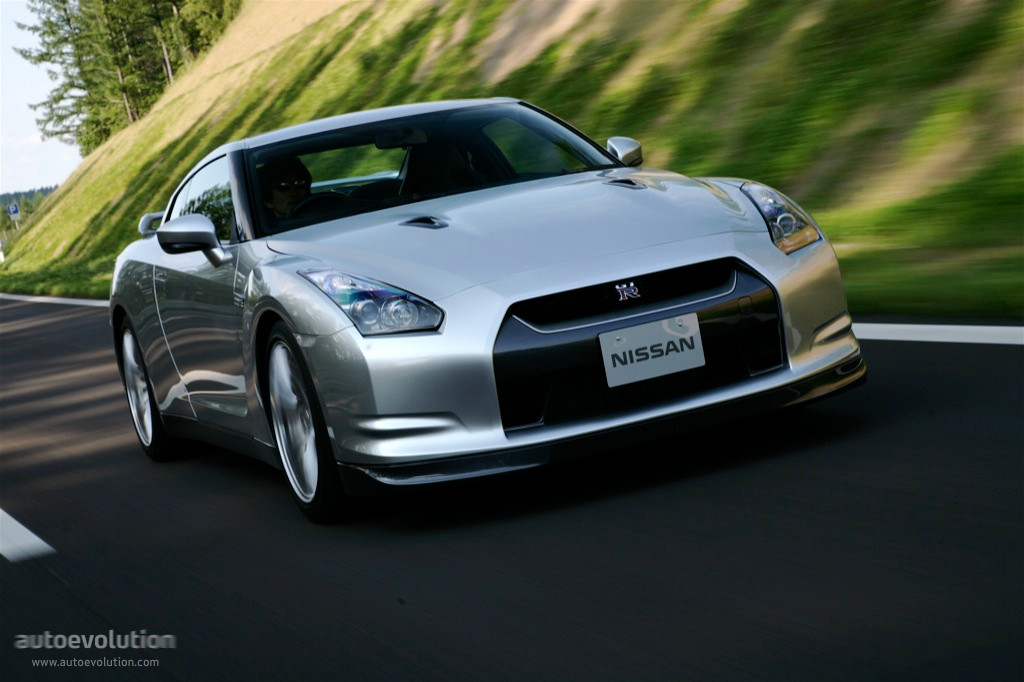
The front of the R35 has become iconic in JDM culture, even more so with the facelift where they added more vents. The headlights give it a way more sleeker feel and look. The curves on the front bumper as well as the low front diffuser does give it a slightly more futuristic look. The hood is shorter and the vents are really well placed. Overall, a really good change for the better. The sleek luxurious look of the R35 really equals the iconic racey look of the R34 and the R32.
R32, R34 and R35 Modability: 10/10
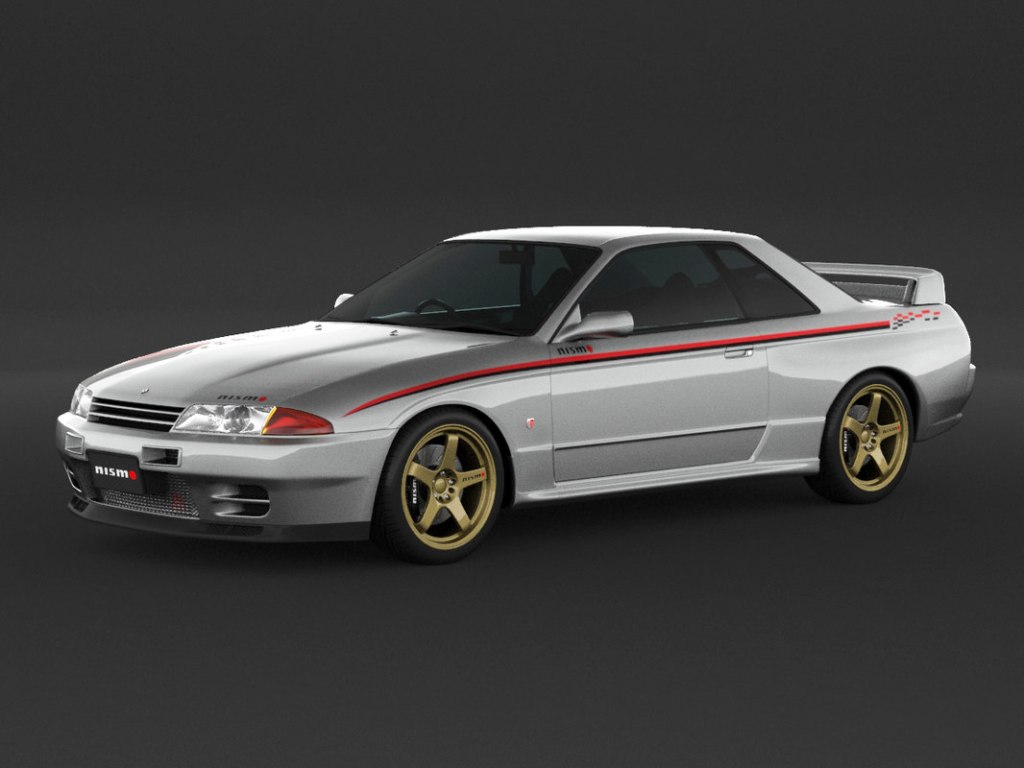
Modability has been a staple for GTRs for years and years and it’s safe to say all of them are equal in terms of modability. The R line of cars is pretty unique. It’s not like other lines such as the Camaro line or the Charger line of cars where over the years less and less mods can be put in the car which was mainly because the designs changed drastically since the ’60s and ’70s and the cars now are mainly built for drag racing. This series of the R line hasn’t had very drastic changes so there’s still a lot of mod options which is why i chose to combine the three cars in modability.
NISMO, the Nissan tuning company much like Mugen for Honda has played a huge part in spawning tuner culture for this car. Like shown in the Looks section, the NISMO R32 came with a spoiler, updated suspension, rims, a new front bumper, new NISMO spec rims, NISMO brakes as well as a NISMO body kit. It also came with engine tuning which i will also cover in the Engine section of the cars.
As for customer modability there is a wide array of mod parts available for the R32.
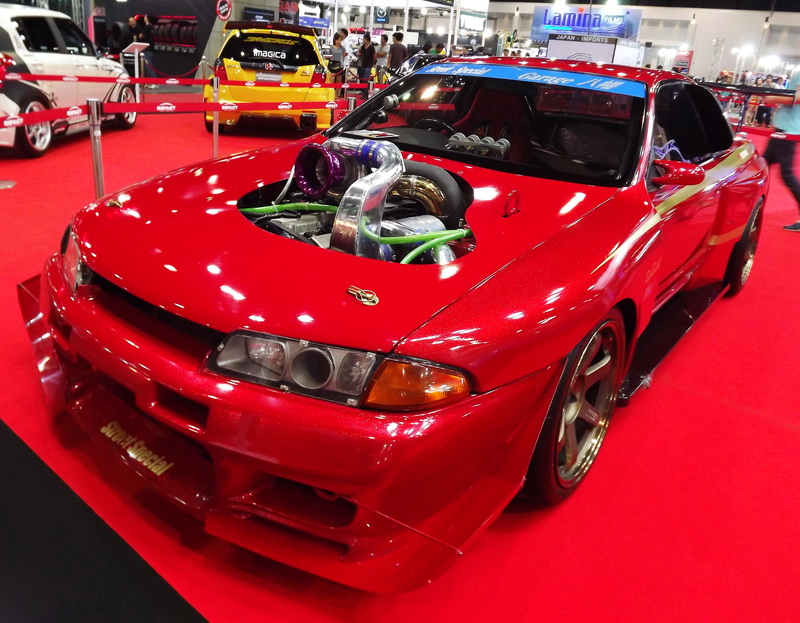
Body kits especially ones from HKS or Rocket Bunny are readily available. NISMO parts such as NISMO front bumpers, diffusers, rims, brakes, as well as brake calipers are available if you want to flex a little. Rims are also very abundant. This car’s body is literally a canvas so you can do anything you like.
For an R34, what better way to represent its modability than with Brian’s
R34
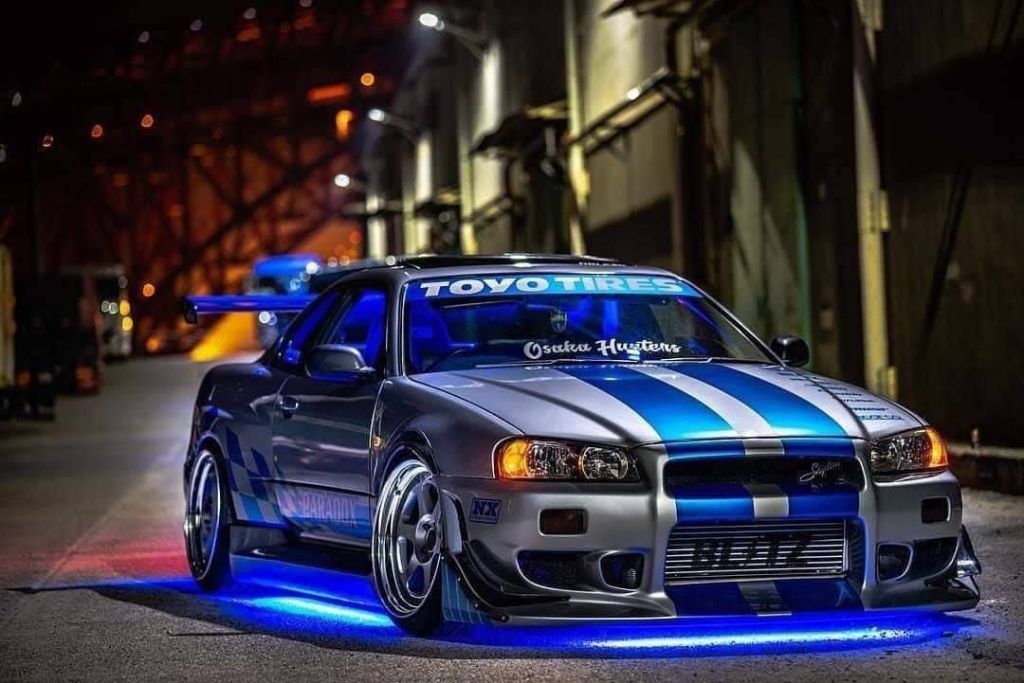
Overall the car looks simply amazing with all the mods in there. A bigger front bumper with no grille and the Blitz Racing intercooler sticking out makes the car look 1000 times better. There’s a slight camber on the car which wasn’t there on the original car, a huge rear wing, BBS rims, blue livery and my favourite part of Brian’s car, blue underglow. Absolutely amazing.
The R35 is also a top contender be it in the drift scene, stance scene, Time Attack scene or SEMA builds, you name it.
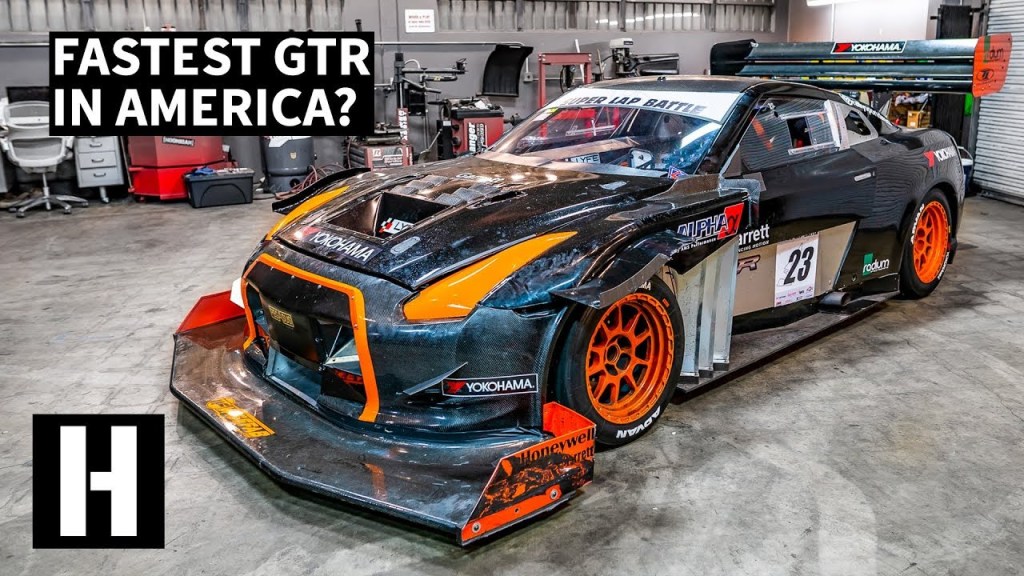
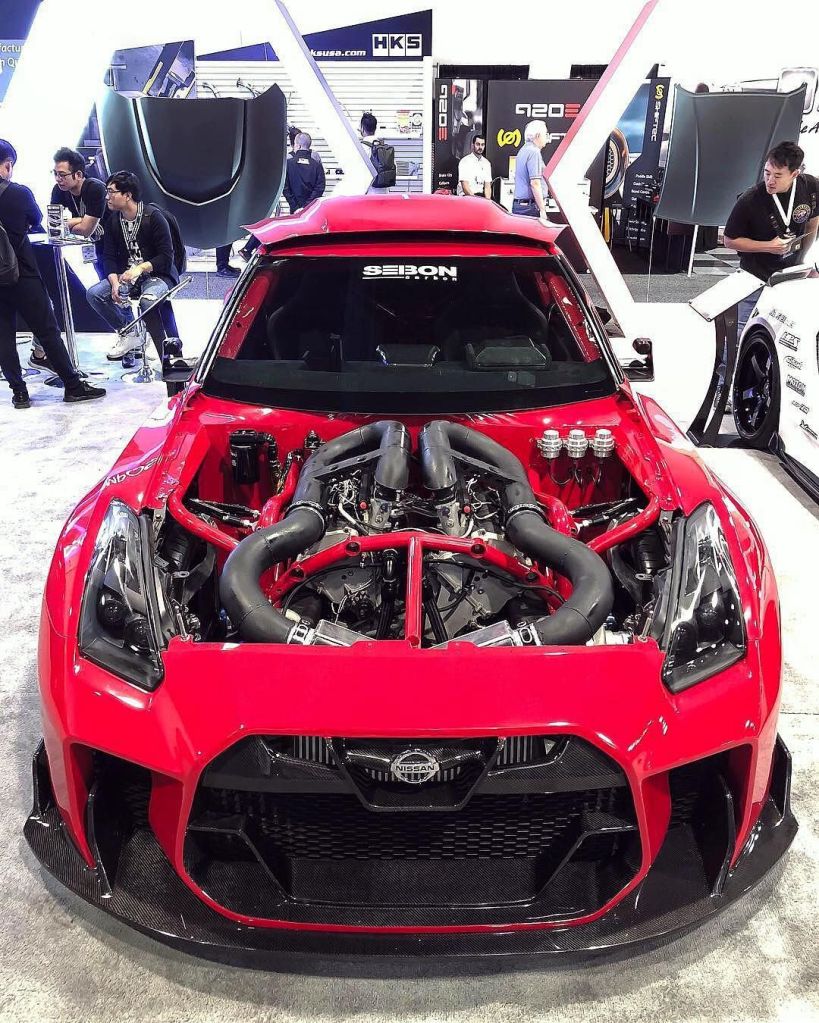
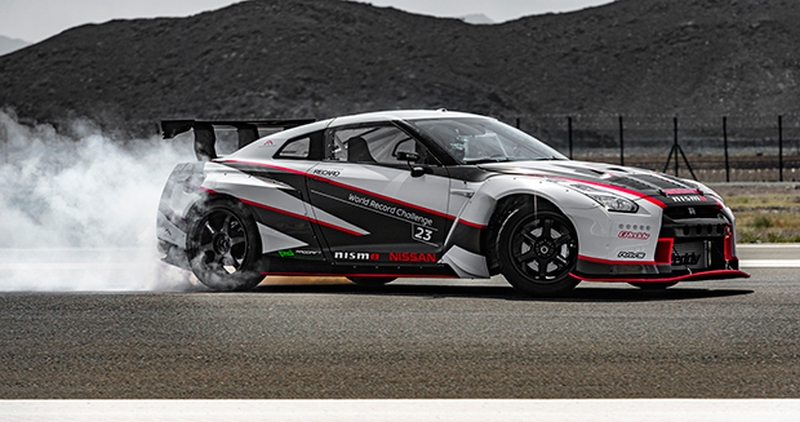
A lot of parts do fit the R35 which makes it very versatile if you’re thinking aerodynamic mods. So there’s a +1 for that.
R32 and R34 Engine and Performance: 9/10
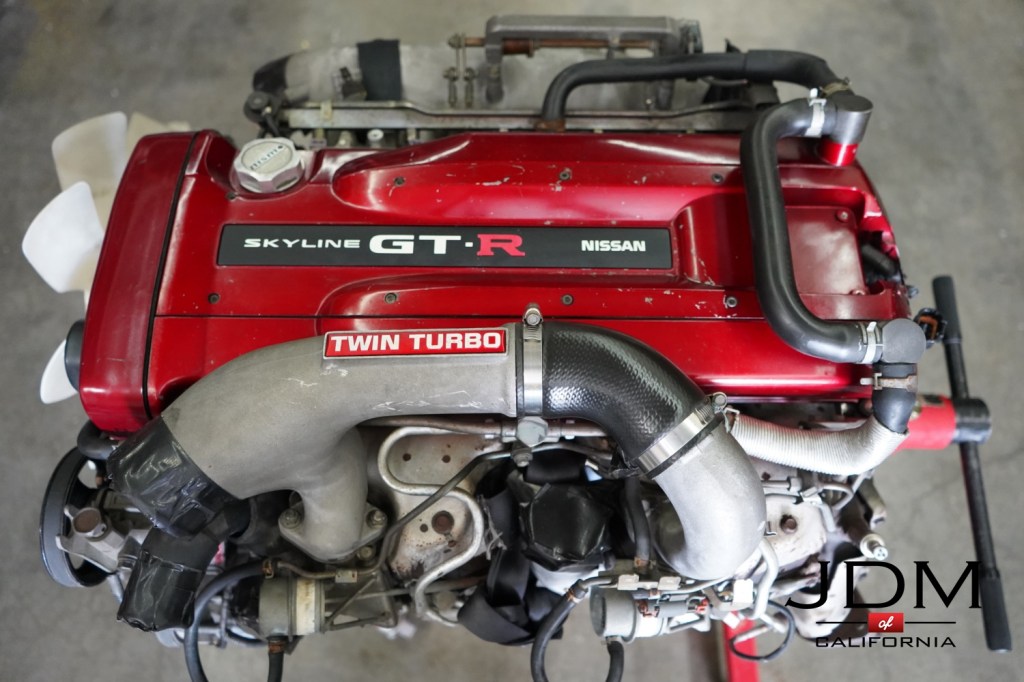
This engine is probably the holy grail of all JDM engines, the RB26DETT, a 2-3L twin turbocharged inline 4 DOHC/SOHC engine making a whopping 250bhp. NISMO with their handiwork simply replaces the Garett turbocharges with bigger TO4B which ups the power by about 20bhp and prevents the old turbocharger from getting damaged due to the heat. The engine redlines at about 7600 rpm which makes for pretty short shift timings with 5 gears, and for all those wanting to buy an R32 or an R34, good news, the engine is all in manual transmission.
Coupled with it’s lightweight body, the R32 can accelerate from 0-60mph in 4.7 seconds which beats a lot of modern sports cars even today. It tops at 251 kph which is pretty fast for the limitations of the ’90s. Tune it a more and it’ll go as fast as 325kph at 800bhp on straights. The R34 is slightly slower with a 5.1s 0-60 time and a 250kph top speed, probably because of it’s heavier bodyweight with the same engine.
The cars also featured one of the most revolutionary AWD systems, the ATTESA E-TS. Now what that does is when the R32 skids, a separate viscous housing in the rear differential transfers torque to the opposing direction which quickly straightens the car and allows for better cornering which proved advantageous in touring car championships. The R34 came with an updated version of the ATESSA E-TS.
After a major upset from the rule changes in touring car championships, the engine was made bigger from 2600cc to 4600cc to compete in the higher displacement class and made the engine go up to 300bhp in which NISMO homologation cars had that engine available to the public. in the form of V-specs and V-spec II
I’ve talked about NISMO but haven’t talked about V-spec, V-spec II or the V-spec Nür. These cars are rare with the V-spec and V-spec II only having about 1000 cars made and the V-spec Nür having less than 400. Other than the engine update from 250bhp to 300bhp, each of them stiffened the suspension, changed parts of the interior (which I’ll touch on in practicality) increased the brakes, added NACA ducts, a carbon fiber bonnet as well as a carbon fiber rear wing.
The one problem i have with the engine is that when buying an R32, do pay attention to the turbochargers as well as the PSI settings. I mentioned before that the turbochargers can get damaged which was why NISMO made new ones but they are bloody expensive so try finding a cheaper alternative. Like the RX-7, if you push too hard the gasket, headers as well as the bearings might blow so keep an eye for engine temperature.
R35 Engine and Performance: 9.5/10
First of all, the R35 was designed to be a Grand Tourer so they had to put in a bigger more powerful and more reliable engine than it’s predecessors. So they decided “screw it, let’s split the cylinders” and made a V6 engine.
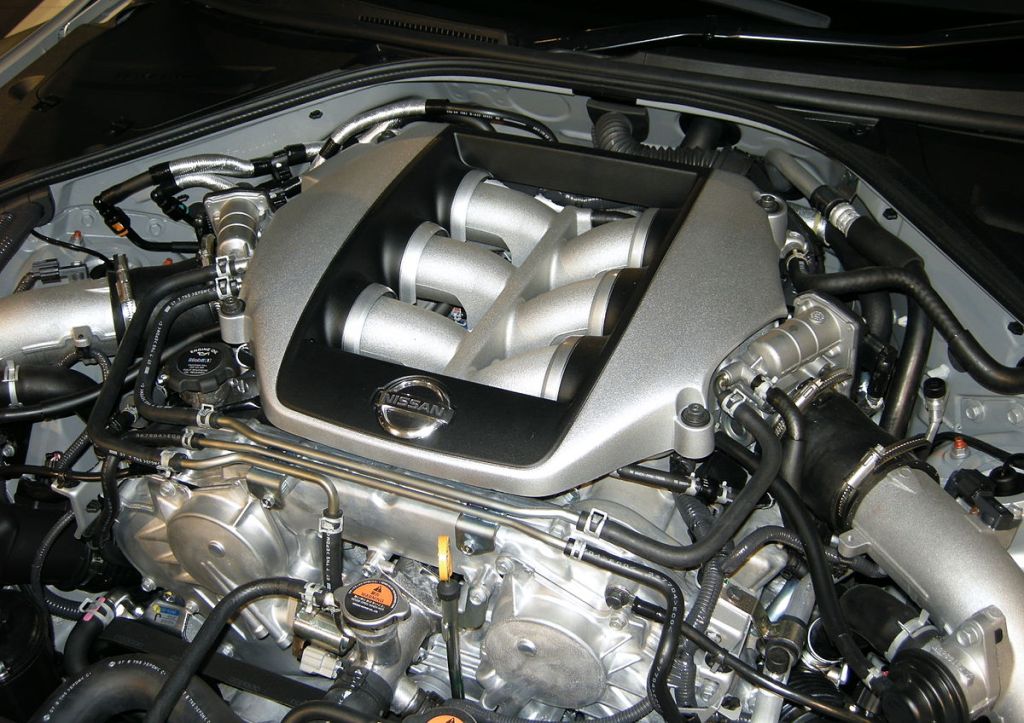
A totally different engine from the RB26, the R35 is equipped with a twin turbocharged 3.8L VR38DETT V6 engine with the older engines making a whopping 450bhp and the newer ones making 522bhp. That’s enough to make that Lamborghini you’re racing cry. The engine is a stark upgrade to the 60bhp that the world’s first GTR had and that speaks volumes of the GTRs evolution. Thanks to the ingenuity of the engine designer, the 3.8L V6 might seem like a gas guzzler but in fact it’s not, sitting at 26 miles per gallon which i’d say for a 3.8L? That’s not bad. The car has way better stats than it’s predecessors. It has a top speed of 313kph and a 0-60 of 1.7 seconds despite it being almost 100lb heavier than the R34. Now that’s how a sports car should operate.
Despite it being a V6, the engine sounds similar to its predecessors. While some people think it’s a pleasant sound, others like Jeremy Clarkson commented in 2012 that it sounded like a vacuum cleaner.
Maybe it’s because of the exhaust pipe….
Other than the okay gas mileage i’m happy to say that the turbocharger problems of the R32 and R34 are all but gone in the R35 so anybody buying one shouldn’t have to worry too much. The gaskets and the headers have been reinforced but that’s still a slight problem.
R32 Practicality: 7/10
surprisingly okay practicality.
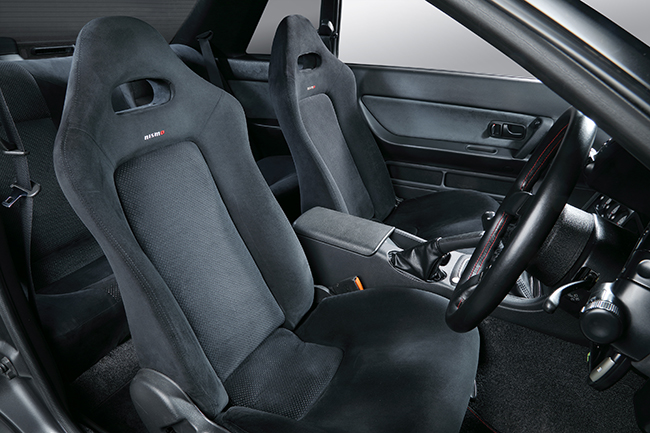
The seats in a stock R32 are slightly racey comfortable bucket seats in the front and standard rear seats you see in most modern cars of today. The seats are both bolt on so finding new weight saving seats won’t be a hassle. In fact, if you find the seats of your R32 are dated, you can just take the seats of an R34, readjust them (because the back seats don’t fit) and put them in. NISMO seats are slightly less comfortable to save weight.
The car comes standard with AC, stereo and cup holders. It also comes with the essential three gauges such as a 180kph speedometer, a 10,000 rpm tachometer and a fuel and oil gauge. NISMO ones come with an optional AC, no rear wiper, a 320kph speedometer and the removal of ABS. The mesh that protects the intercooler is also gone. It also has manual steering, a manual radio and manual windows so expect some sort of primitive drive. Also if you’re importing the car, the car is right hand drive so if you’re in the USA do take note.
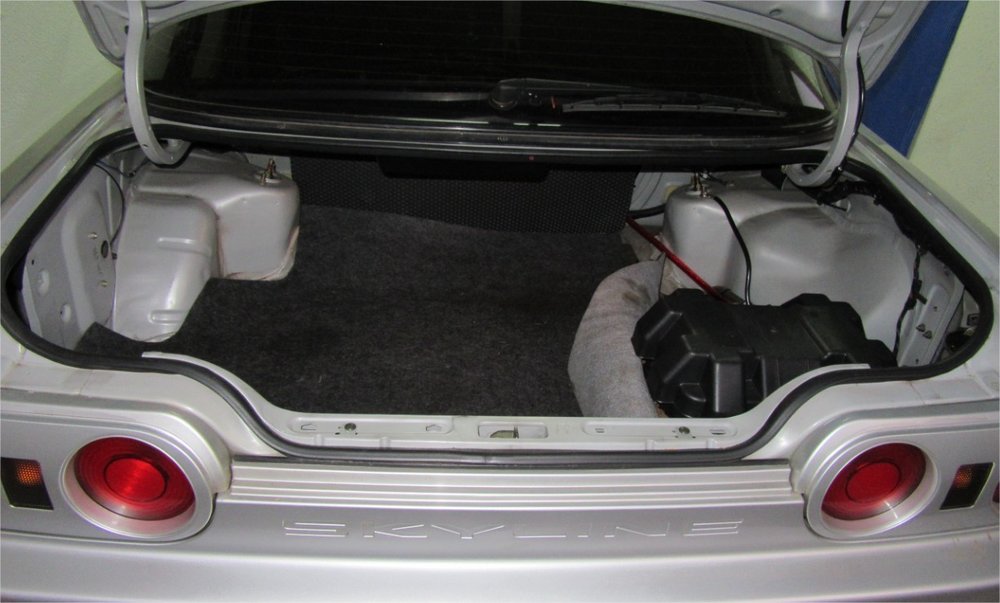
One look at the trunk and i’d say “it’s smaller than my pinky toe” because gosh the trunk is tiny. Groceries can barely fit into there, much less a cooler full of drinks or IKEA tables. The good news is that at least it can fit two big size Samsonite suitcases so picking up your hubby from the airport in this bad boy should be no hassle. I never found out what the actual volume was but i can tell for certain the space is way less than taxies or it’s descendants.
R34 Practicality: 7/10
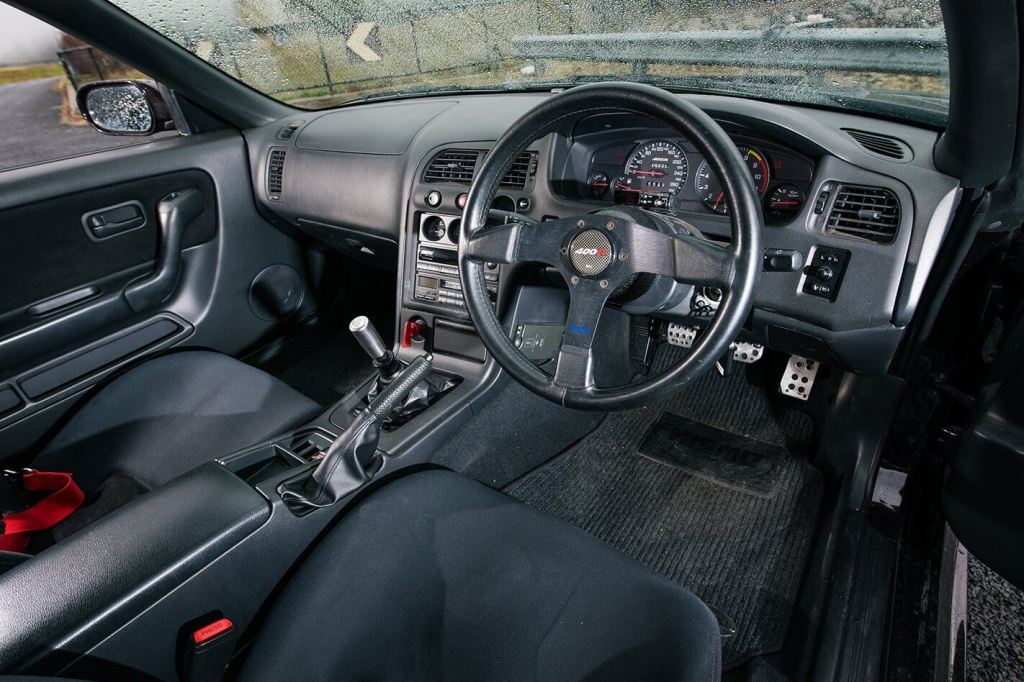
While the R32 is all analogue the R34 is a lot more electronic which does make it a bit more convenient from an everyday drivers standpoint. The original stock version has everything the R32 has but automatic. Auto windows, power steering and even offers an automatic gearbox for those who want to flex the car as a daily driver. They even added a multifunction screen.
The NISMO version stripped out all of these things and added a more racey feel of the car while still keeping the essentials. Aircon is optional like the R32. ABS is gone, the steering wheel was remade and the shiftknob was made lighter. NISMO parts as well as auxiliary gauges are readily available too.
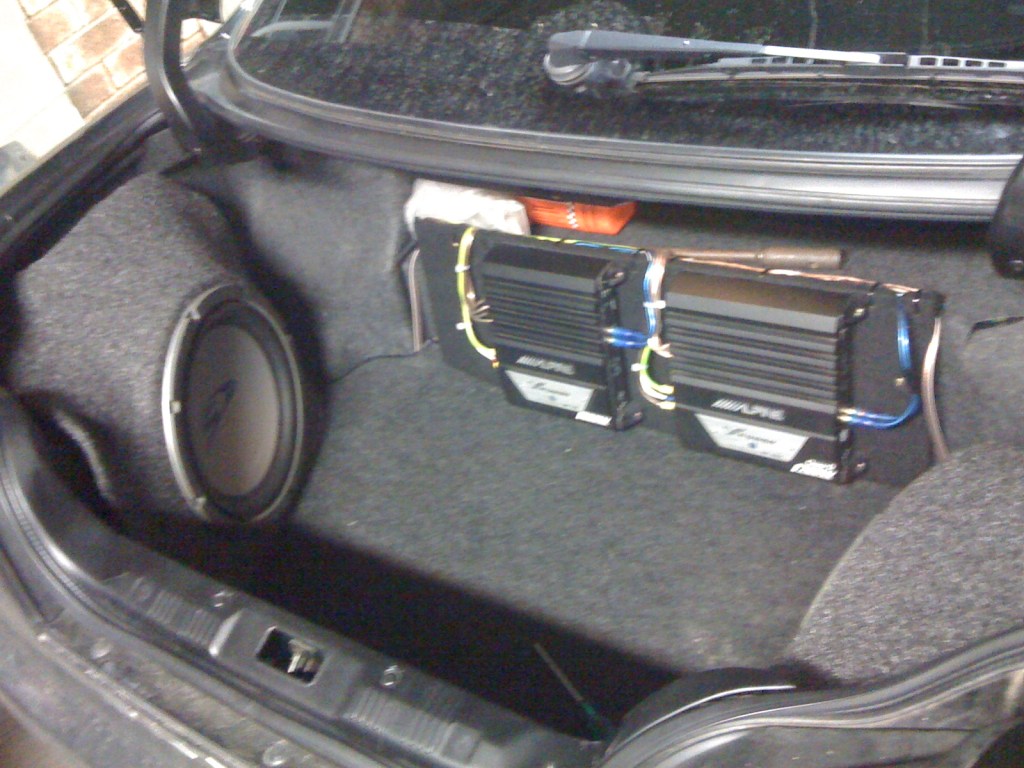
I thought that the R32 trunk space was tiny but holy crap. The R34 trunk is very very small. It might fit one big samsonite suitcase but nothing else. It probably won’t fit much groceries which certainly won’t be good for daily driving.
R35 Practicality: 9/10
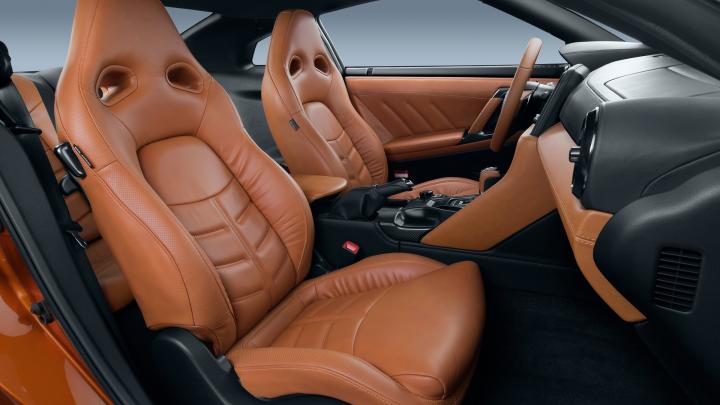
The R35 interior has become less racey and more posh because the designers advertised it as a luxury sports car, much like a Bentley and boy did it work. It’s a five seater so we can fit a mid size family. One look at the interior and you’ll know the seats are more comfortable than the bucket seats of the R32 and the R34. Some upgrades from the R34 is that there’s power steering, there’s more electronics powering the speedometer as well as the tachometer. The newest additions are the more recent ones such as Apple Carplay, Bluetooth connectivity and satellite navigation which come in really handy. It also comes with Sport mode and Street mode which is good if you want to switch from a soft suspension to a harder suspension while you’re racing.
The NISMO version has more racey seats, built in boost gauge as well as no ABS. Again AC is optional just like the R32 and R34.
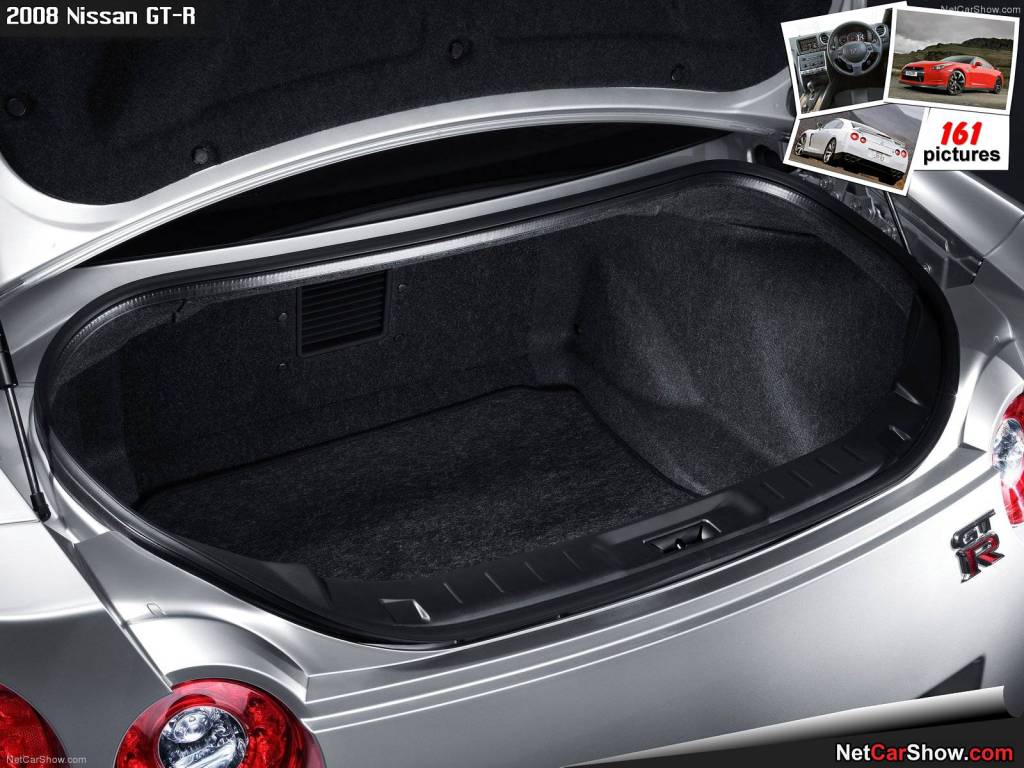
The bootspace is small but not as small as the R34 thankfully. It does have space for a few big Samsonite luggages and of course groceries which is pretty practical.
R32 Price: 7/10
The R32 is almost unavailable because of its age as well as its difficulty in importing it, both in Singapore and in America. The car is also incredibly rare in Singapore with only a mere 11 units being shipped to Singapore. But at least in America after 25 years it is finally legal to import it in most states and is readily available.

Literally none in Singapore. No R32s whatsoever new or used.
In the USA the car is still available but at a slightly higher price.
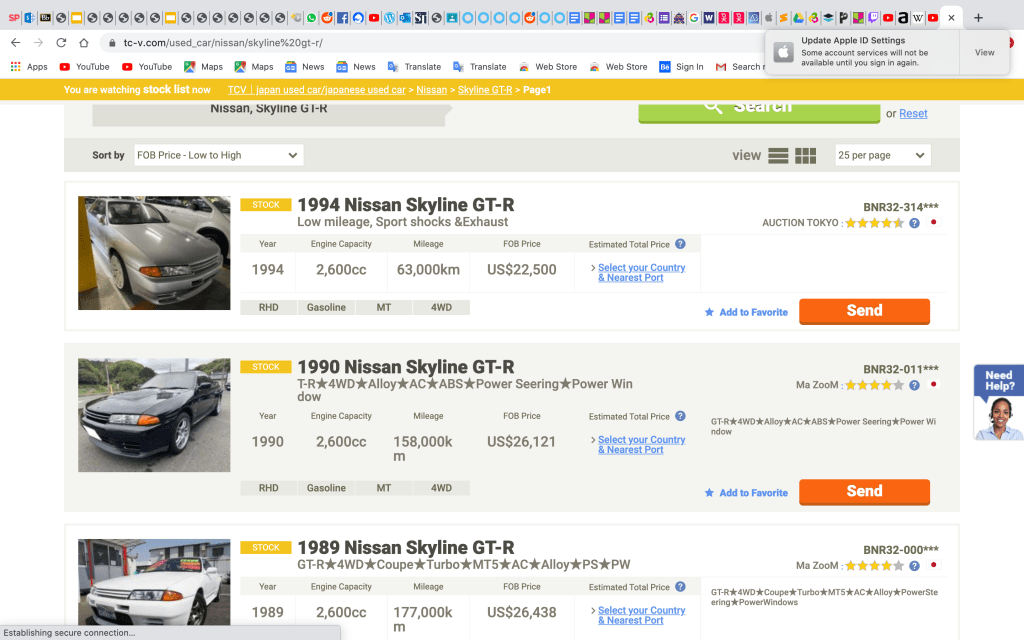
It’s not an exhorbitant amount but it’s not exactly budget either for a Japanese car.
R34 Price: 8/10
For the R34 it’s not much better. There are quite a lot of R34 cars in the USA
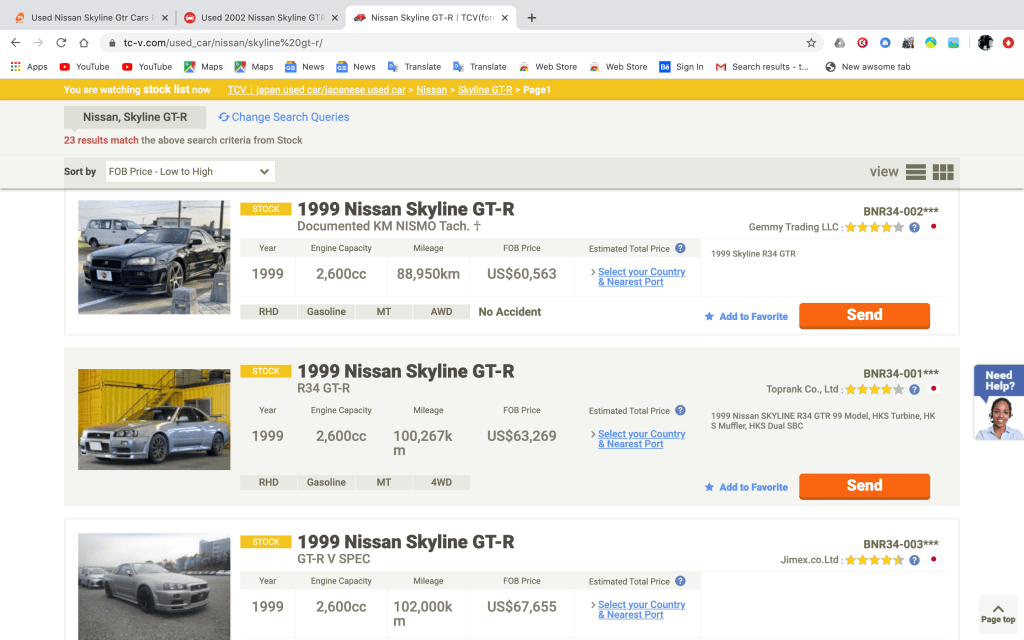
A starting price of $60,000 is quite a bit of a departure from the R32 but $40,000 for a heavier car with the same engine and a more luxurious interior… i don’t know. A bit steep.
R35 Price: 9/10
The price jump from the R34 to the R35 is way more but is a lot more worth it.

In the USA new, the R35 goes for about slightly less than $150,000 and the NISMO costs you $210,000.
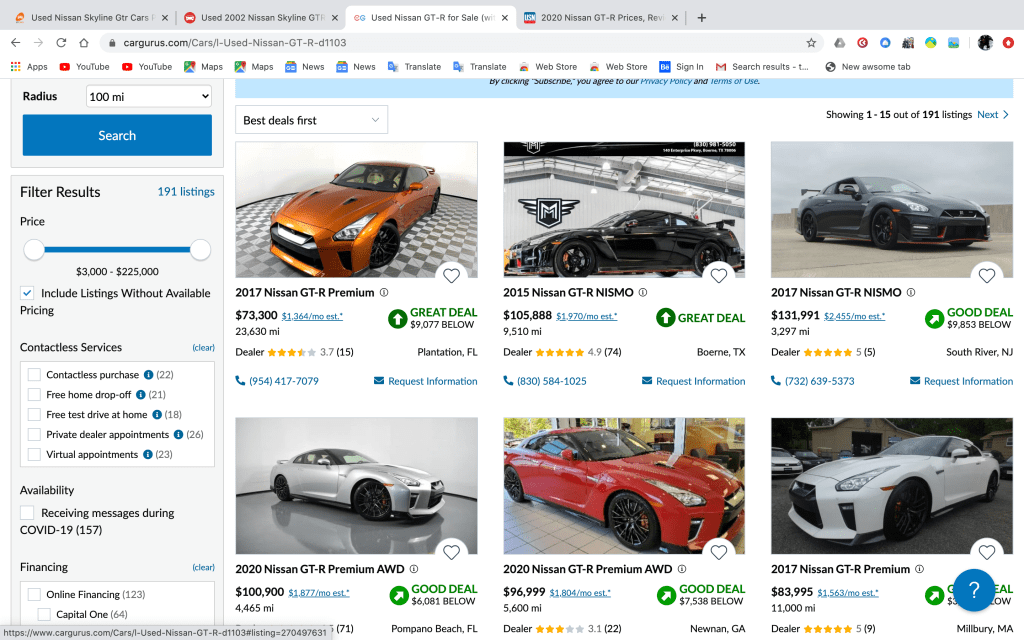
Used the R35 will go for anywhere between $70,000 to $100,000 depending on condition and the NISMO anywhere between $120,000 to $200,000. There’s good news too since it’s readily available in Singapore.
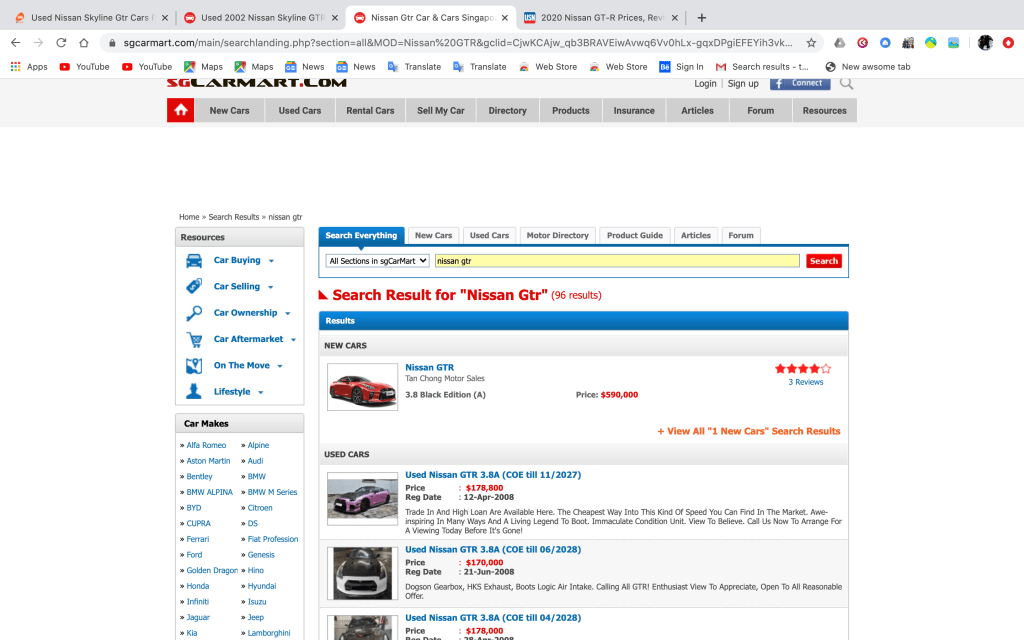
New, the GTR goes for half a million Singapore Dollars not including COE which is again typical highway robbery fashion for the country.
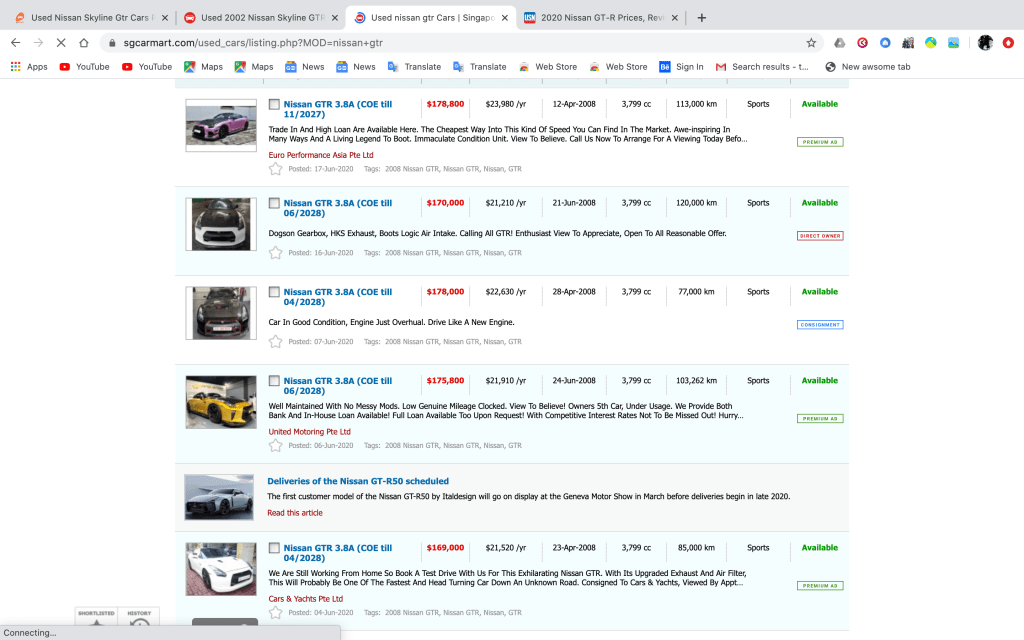
Modded and used, the car goes at almost $200,000 which is still a lot of money which might be a hassle if you’re looking to buy the GTR for daily driving.
That doesn’t change the fact that buying an R35 will give you more bang for your buck in almost every way
R32 and R34: 2 points vs 4 points :R35
They were tied for looks and mods because all three of them are oh so BEAUTIFUL! But when it comes down to the more technical things like who had the most reliable and faster engine or who can haul more ass, the R35 came out on top.
The new and improved 3.8L VR38DETT engine has way more horsepower than the 2.5L RB26DETT engine and is way more reliable, breaking down way less and omitting some of the problems the RB26 had.
The R32 and the R35 were more or less tied practicality wise which compared to other cars, is not that good. But i have to say that the R34s practicality was just sub-par.
All these answers the question that although the R35 isn’t bought much due to it’s price leading some people to sell their own organs, the R35 is worth the price because in retrospect, the electronics and the practicality make the R35 the most liveable R on this list AND is a beast on the track. But of course if you just want a cheaper alternative to track and flex to your opponents, the other two are for you.
Overall these three cars have been one of the pinaccles of motorsport as well as the benchmark for JDM tuning and will forever be ingrained into our gearhead minds.
Honda Fit/Jazz (2010)

This is a car that’s been following me since 2011 as a daily driver, the Honda Fit. While not as sporty and attractive as other cars on this blog so far it has been quite the reliable car. Since 2011 it has never broken down and only needed routine checks.
Funnily enough this car does have some participation in motorsports. Ken Block took it for rallying and Spoon tuners in Japan tuned the car for endurance racing and but hasn’t won yet
A lot of people (me included) have been quick to label this car as “a tool to get from A to B and nothing else” but now, maybe this car has the potential to be more than that and that’s what will be discussed in this review.
Looks: 6/10
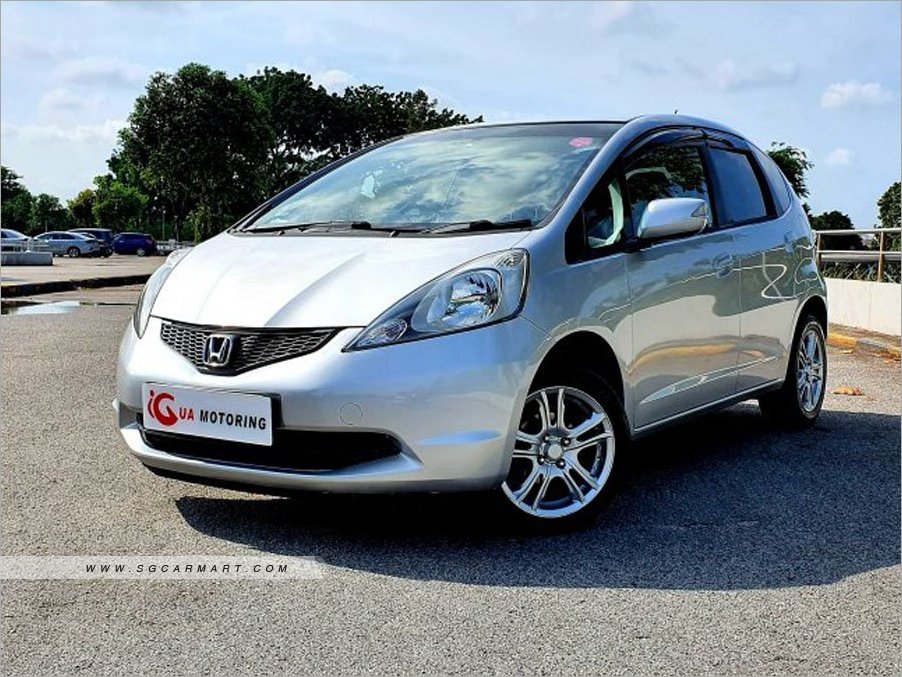
Now i don’t know about you guys but i feel this car looks better than the 2019 or 2020 model. It looks simple, economical and attractive at the same time, nothing like the curvy, futuristic look of the Civic or the 2019 Fit.
That said it isn’t the most attractive looking Fit, much less hatchback and i do prefer the older 2008 look.
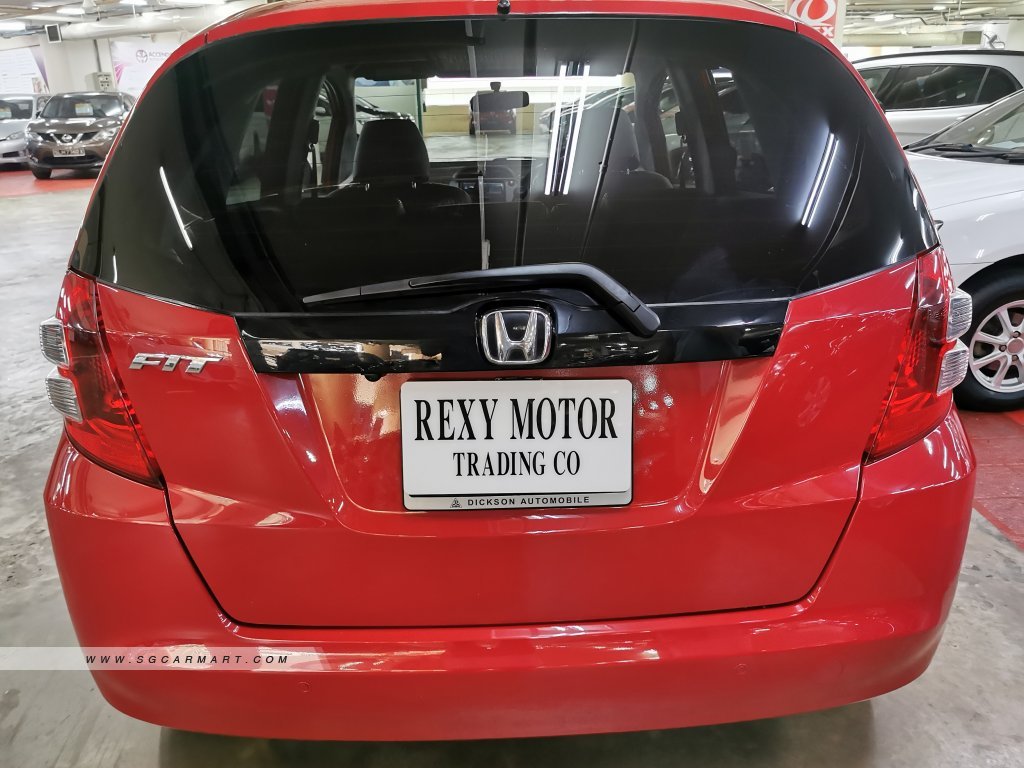
After the facelift the rear lights got smaller and so did the reverse lights. On one hand it does look better giving it a slightly unique style but on the other hand it makes it harder to see. And based on experience, after 5 or so years, one of the brake lights constantly falls off.
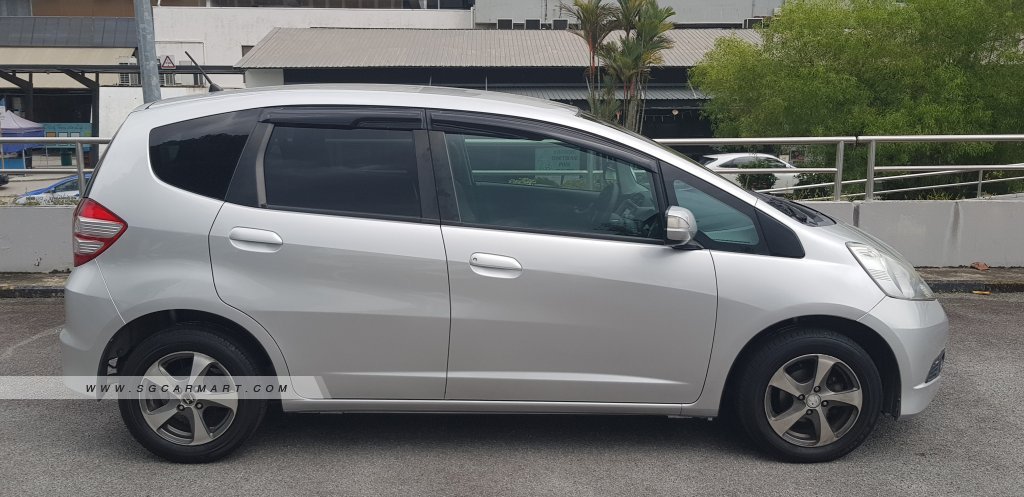
From the side, the car looks a lot like average hatchback with a pointed nose and rear that drops off into the abyss. Quite the average design except for the unsightly antennae on top of the car. Now i know that with modern technology antennae on cars are basically obsolete but back in the early days without Bluetooth you needed this. Still, it does ruin the image of the car a little.
Modability: 7/10
Now this being a Japanese car which has it’s roots in tuner culture you would’ve guessed that this car could be modded.
And you’re right.
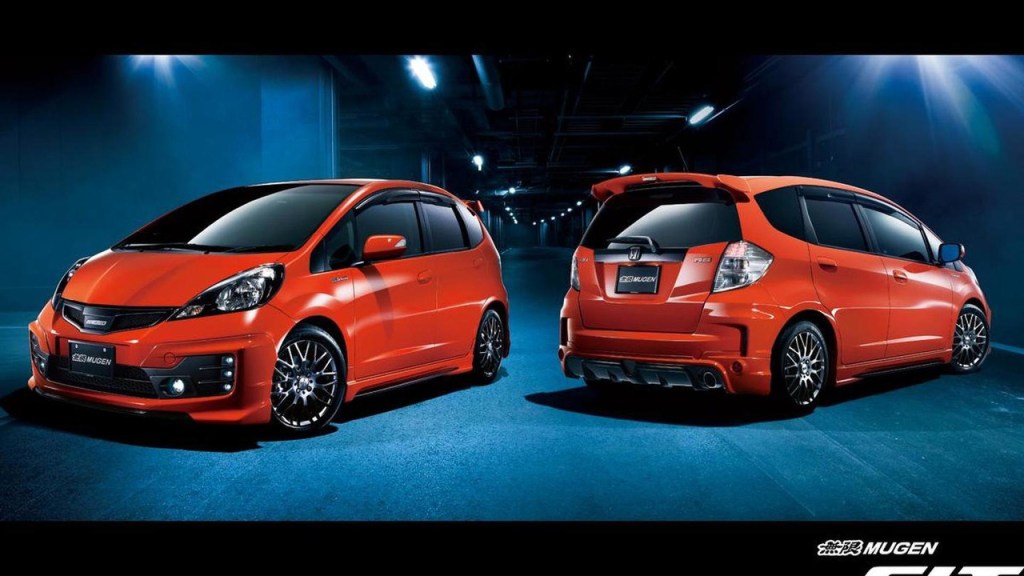
In the Fit’s case, the RS version is special. Mugen (one of the tuning companies for Honda) got their hands dirty and tricked out the Fit, adding a rear diffuser, a rear wing, whited out the lights, added a new front bumper with an additional grille and changed the rims and brakes. That’s not to say only Mugen did this.
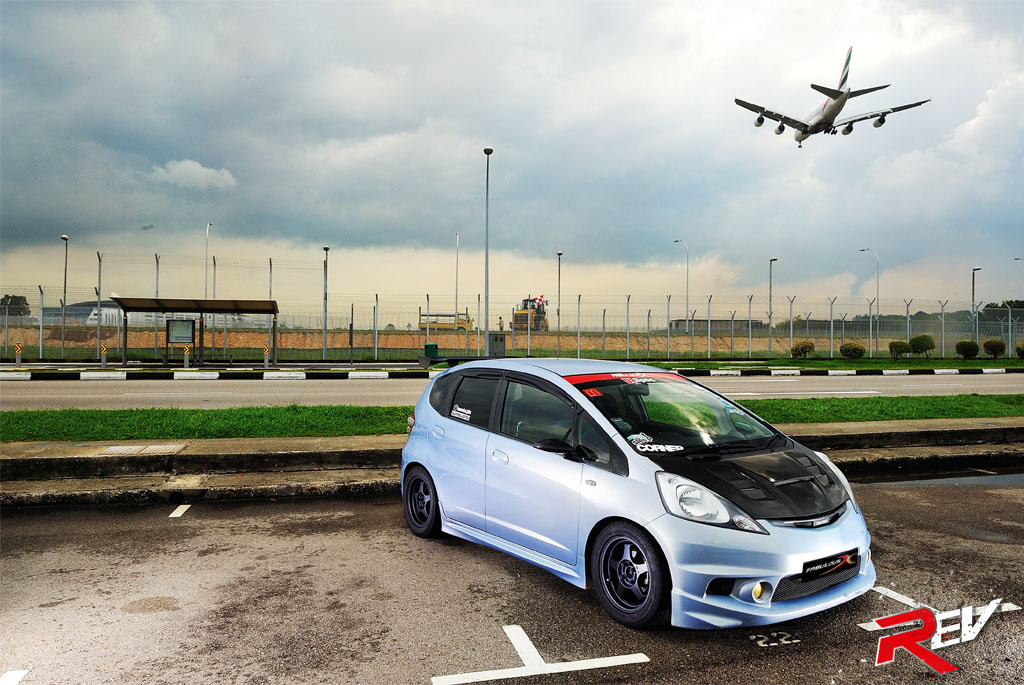
People would usually tune the RS model and do all sorts of things with it. Body kits are ample and options are limitless. Just about any mod that can fit a hatchback can fit on this car.
One of the most famous examples of modding a Fit is Spoon which took their Honda cars out for endurance racing.
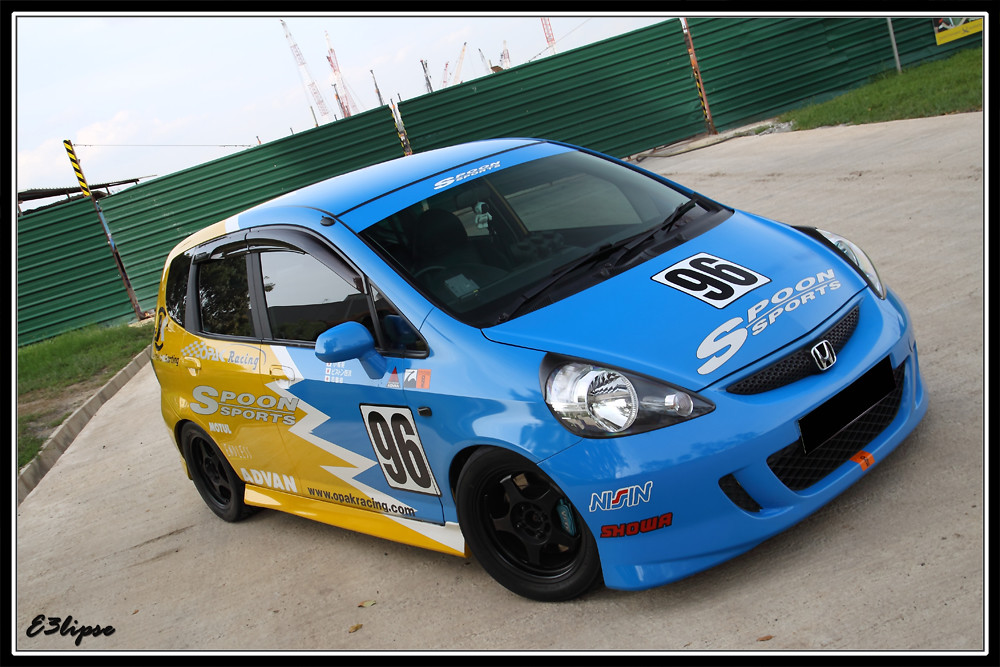
Any JDM fan would know of Spoon because they have tuned cars like the Honda Civic and the Honda S2000 and secured wins with them on many occasions. As for the Fit, they took a base model 2007 Fit, stuck the iconic Spoon yellow and blue wrap, swapped the rims, added a rear lip for downforce and new front bumper to suck air into the engine.
They have made the Fit from a boring car to a track winning monster and it shows.
Engine: 6/10
For a city dweller and for road trips this engine does just enough to get by, but when it comes to performance, oh God…
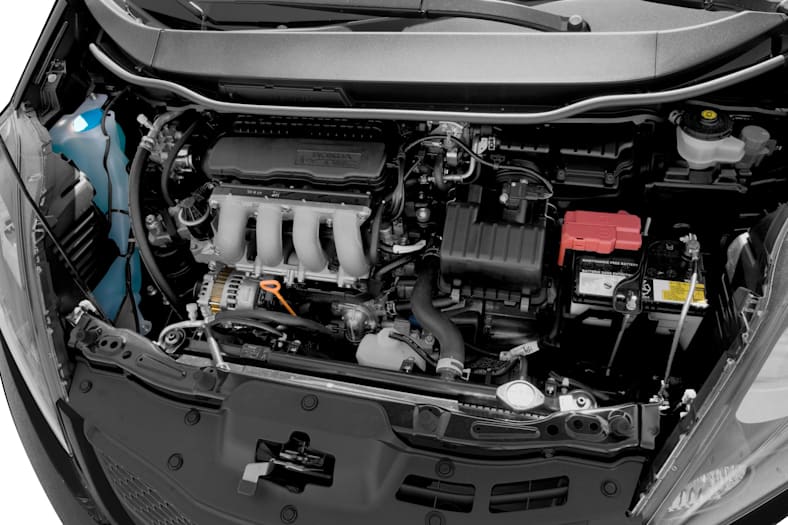
The Fit has two types of engines, a 1.3 litre i-VTEC or iDSi 4 cylinder engine making about 112 horsepower and the 1.5 litre i-VTEC or iDSi 4 cylinder engine which makes 120 horsepower all which came in either 5/6 speed automatic or 5 speed manual. Basically the rest of the world could choose between the 1.3L or 1.5L engine or whether they wanted it V-TEC or non-V-TEC which basically meant that they could add some sort of pleasure when they drive. But both Brazil and Singapore got the short end of the stick.
We weren’t given any choice and were forced to have the 1.3 litre iDSi 4 cylinder engine for environmental purposes. No wonder the 0-100kph time was so slow i could have gotten out of the car, taken a piss and come back by the time the car reached 100.
But did that stop tuners from making the car more fun? Nope. Spoon beefed up the 1.5 litre 110 horsepower iDSi engine by adding a new radiator coupled with a new thermostat.On top of that they replaced the clutch plate and pressure plate for custom Spoon ones. Swap in a MoTeC engine management system and a dose of Octane beefs up the horsepower to 120. Not much but enough for endurance racing.
All in all, even with V-TEC, a city engine is a city engine made for reliability and not fun. It doesn’t break very often unlike the rotary of the Mazda RX-7 FD. But its still a pretty useless engine when asked to go up steep slopes and mountains due to the sheer lack of horsepower.
Practicality: 8/10
A good effort from the designer of this car, they really did try to capture the “Small is the New Big” slogan, although some of it fell short.
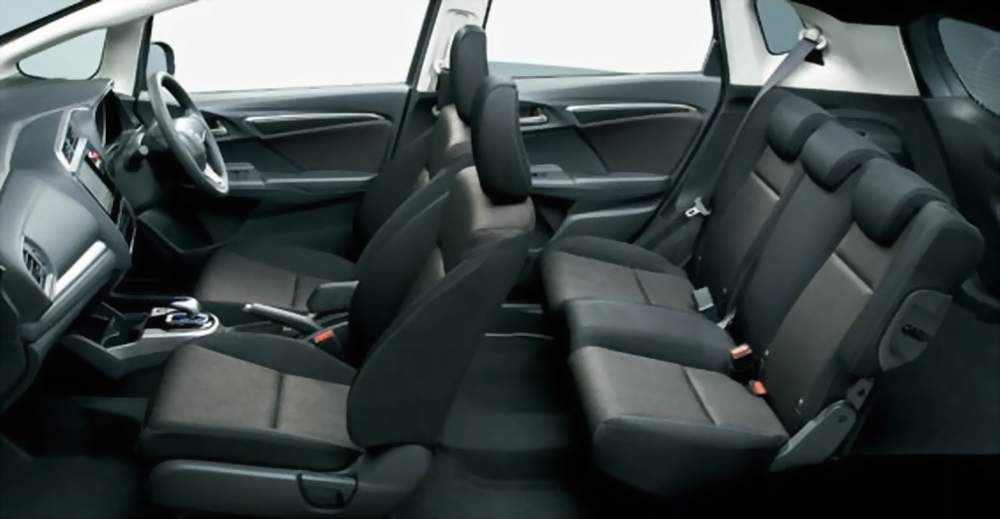
The interior looks… alright. It’s not particularly luxurious which is a downside for a city car where the main selling point is comfort. The front seats have some legroom but not a lot. The back seats have little legroom and if you’re 179 cm tall, it’s a bit difficult to slip both your feet in between the seats. The car seats 5 people which is pretty standard for a city car.
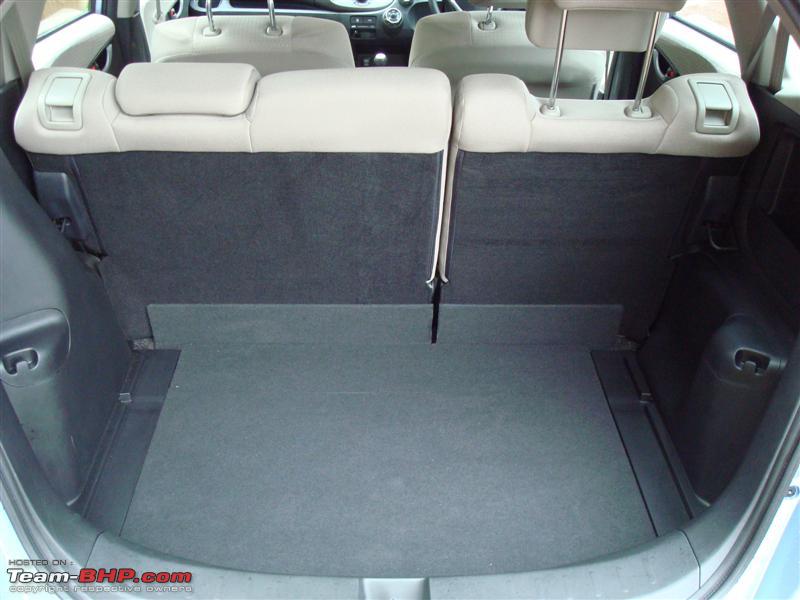
With the seats up you get 388 litres of boot space which is very spacious for a car this small. Pop the seats down and you get a whopping 833 litres! that’s way more than a ford Fiesta ST! Very practical for hauling big stuff from IKEA or bringing your big dog to the park.
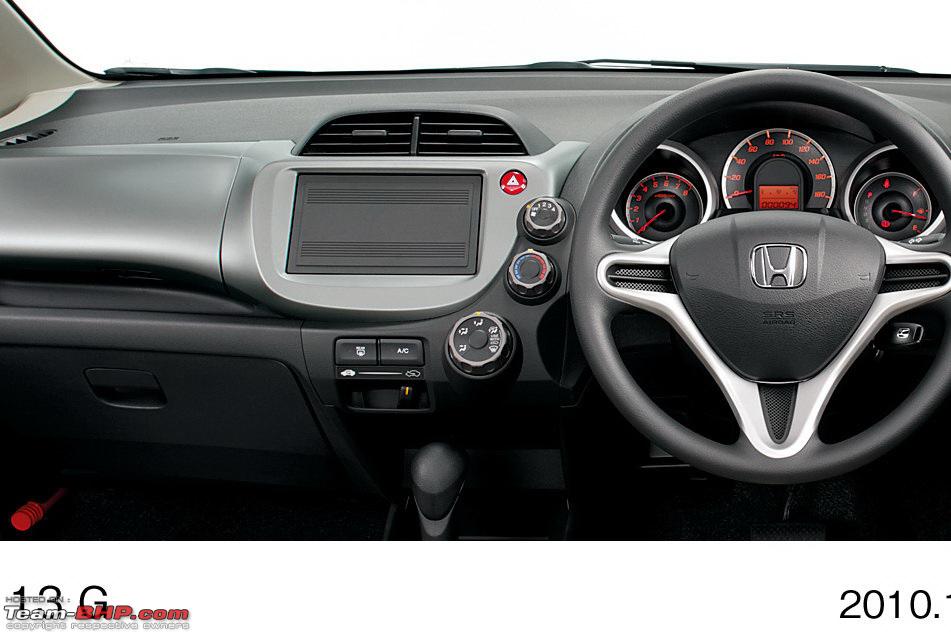
You do get the standard infotainment for 2010 with the radio, aircon, USB connectivity, TV and a cigarette lighter. But strangely enough, no satellite navigation so you have to either spend more money for a GPS or drain your phone battery using google Maps. This has been fixed with the latest version of the Jazz though.
Compared to my family’s last two cars, the Kia Rondo and an old gen Toyota Camry, this car has the most mediocre ride. It doesn’t bump as much as the Camry but at the same time the suspension isn’t as soft as the higher up Rondo. Also, whereas the Rondo was a 7-seater, both the Camry and the Fit are five seater so when my relatives come over we do have problems fitting 7 people inside. Both the Camry and the Fit’s ceiling is low so my head would bounce of the ceiling from time to time, a problem if you’re 179cm tall. Doing jump in this car would’ve snapped my neck sideways and i will be positively dead.
As for the Mileage, the car does 28 MPG in the city and 35 on highways which is not bad for a car that size. I would’ve thought the car had a slightly better MPG considering the version we have is more eco friendly.
Overall pretty impressive in terms of practicality, but not the best.
Price: 10/10
Of course being a street car they did have to make this car affordable for businessmen and families.
Since this car is out of production i could only find the prices of used Fits but i know that my dad bought the car for around SGD70,000-80,000 including COE which is very affordable considering the exorbitant amount cars in Singapore tend to be priced at.
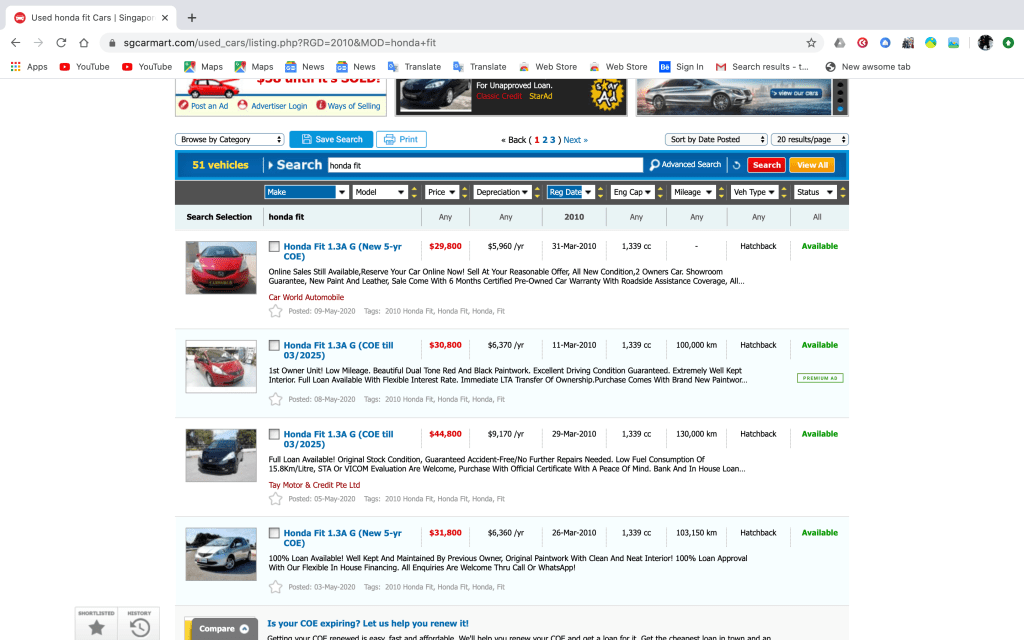
The car has depreciated a lot over the years and it’s relatively cheap even in Singapore

In America you can get one of these for half the price of a Lancer Evo X which is crazy cheap for an economy car.
This car also makes for a good project car because not only is it very cheap, it’s very modable and trackable and it has a cult following so if you have time, set up a car meet for modded Honda fits and you’ll make lots of friends.
Overall:8/10
Back in 2013 when i settled into this car, i thought this was probably the worst car ever made but looking back, i knew my dad made the right decision to buy this car.
He was never a car guy so the fun factor was never there. the car gave him what he needed and that was to go from point A to point B without breaking down or causing him problems. Alas me being the car guy of course i just felt to this day that there was that ache of not being able to have fun with the car bone stock.
So, will this car ever be a car that will be more than “Just a tool for going from A to B”? Probably not in my family’s eyes, but for me it damn well can be.
Aston Martin Rapide
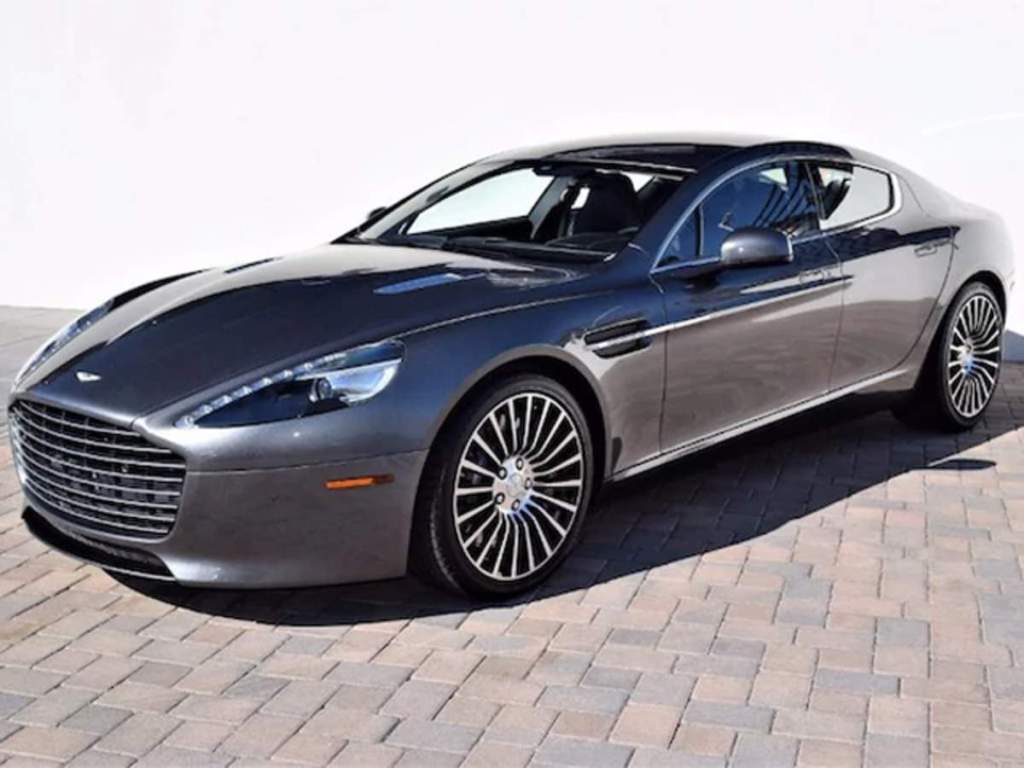
The pinnacle of luxury. That is what Aston Martin advertised this car as. It’s quite a move away from Aston Martin’s brand image of motorsports, and high performance V12s. Think of this car as the Rolls Royce of Aston Martin. But whereas Rolls Royce can’t go particularly fast, this one can. This car is one of the lesser known Aston Martins mainly because it hasn’t been featured in any of the James Bond films. But even without the James Bond films, this car does compare to some of the other Aston Martin cars.
The car has four variations. You have the normal Rapide, the Rapide S, a more sporty version, the Rapide E which is an all electric version and the Rapide AMR which is the super limited full on race car version.
So, did Aston Martin’s new approach to their car stick even until now? Let’s dive right in for the answers!
Looks: 7/10
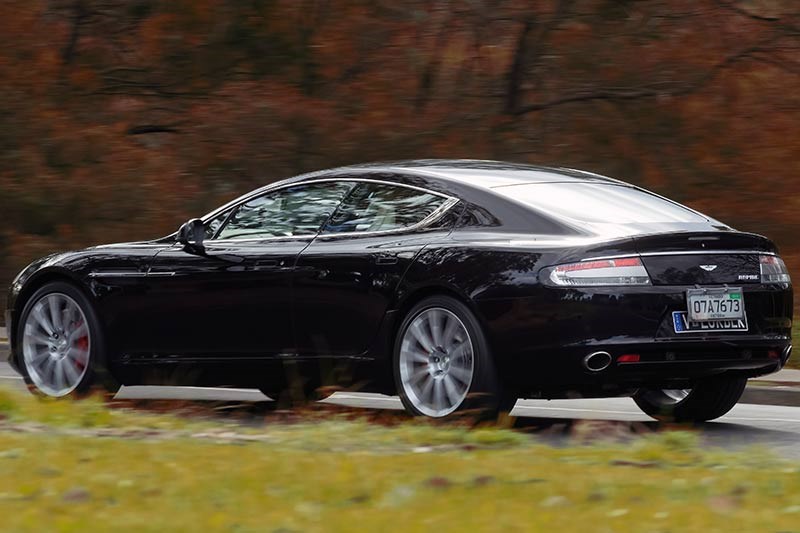
One look at the car and instantly you’d think “That’s an Aston Martin DB9” and you’re half right. Basically they based the design off of the DB9, changed some parts here and there and you have the Rapide. Put them side by side and a spot the difference game can take you an hour.

That said the DB9 wasn’t a particularly beautiful car since it followed VH Generation III platform ( Used in almost all the James Bond cars except for the Valkyrie and the DB5) but ever since it made its debut in James Bond it’s become iconic, which carries over to the Rapide. According to the designer, Mark Reichman, he wanted the “muscles to be visible through the skin” saying throughbred horse racing was the inspiration. Not sure if that carried on though…
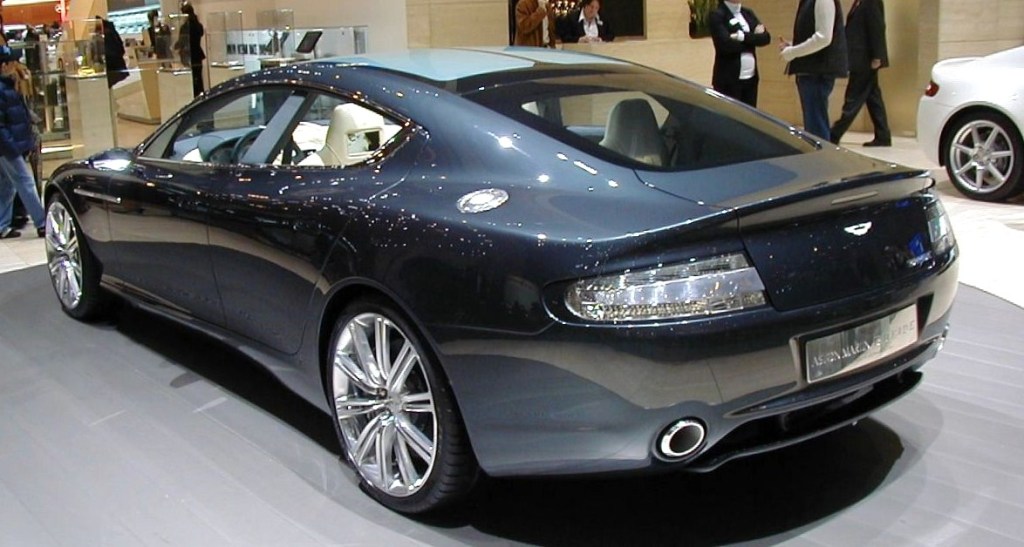
Starting from the back you have the standard VH Generation III shenanigans, the same rear lights, the same rear bumper and the same exhaust pipe layout, even the same fuel tank positioning. The only difference i can see is of course the badge and the rear lip.The car is also a bit wider and longer than the DB9. Does it make the car more beautiful? Ehhh.. not really. The rear lip serves as a more functional addition rather than a pimp up and it doesn’t seem that much wider and longer. What do you readers think?
For the Rapide S, the only visual difference is the design of the rear lip in which it is raised up a little in the middle. Not much of a difference.
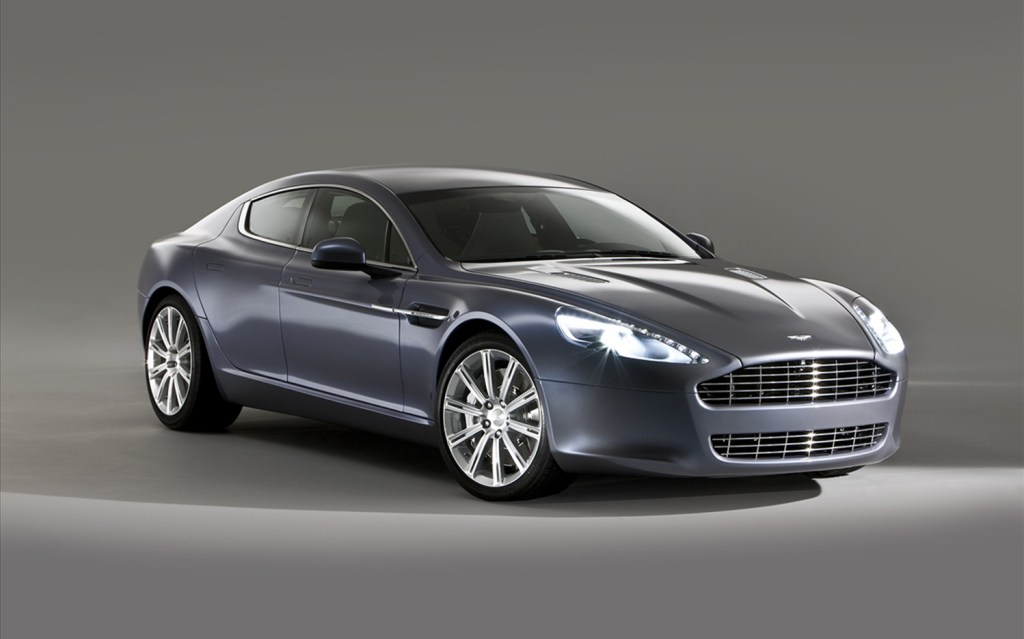
At the sides you have the usual Aston Martin gulwing doors, both for the Rapide and the S. Both the wing mirrors are the same.
Some slightly different features are the change of rims and weight reduction.
The biggest difference though is the front. For the Rapide S, the front grille is way bigger to account for the upgraded specs of the engine and the body.
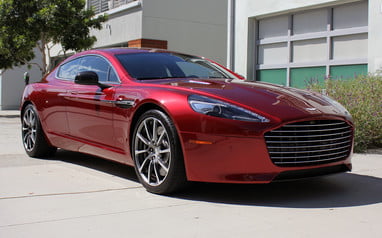
That’s not the case with the Rapide AMR though, it has a complete visual overhaul.
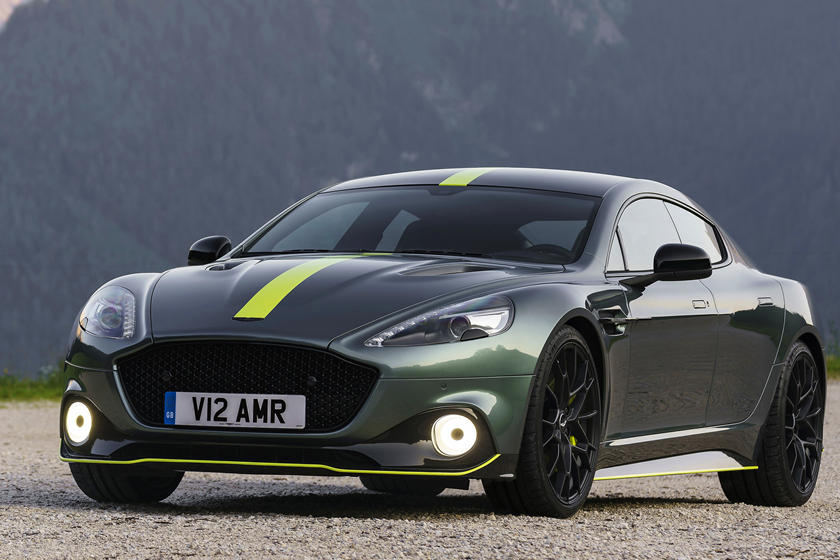
The AMR is offered with a variety of colour schemes but the most notable one is this one. This shade of green you don’t get from a Rapide or a Rapide S. That racing stripe is unique only to the Rapide AMR. They gave it a new front and rear bumper made from carbon fiber, a new carbon fiber lip, bigger rims (The biggest ever fitted on an Aston Martin) and a new front grille.
I would’ve loved it if they replaced the lip with a GT wing and somehow improve the aerodynamics to make up for the downforce but well it already has a carbon fiber lip.
Still, it seems like there’s barely anything original with the Rapide in terms of the outside looks, but an Aston Martin is an Aston Martin and is still stunning to look at.
Modability: 5/10
This being an Aston, you do get some variety of options, just not much. The most you can do is increase the camber and put a GT wing on it. The other mods you can do are usually inside the hood for tuning the car, and even then since it’s electronically advanced, tuning is also extremely difficult.
Body kits for an Aston Martin are very scarce and you rarely ever see one.
So, you can mod it, but it just doesn’t have as much options as a Volvo or a Proton.
Engine: 8/10
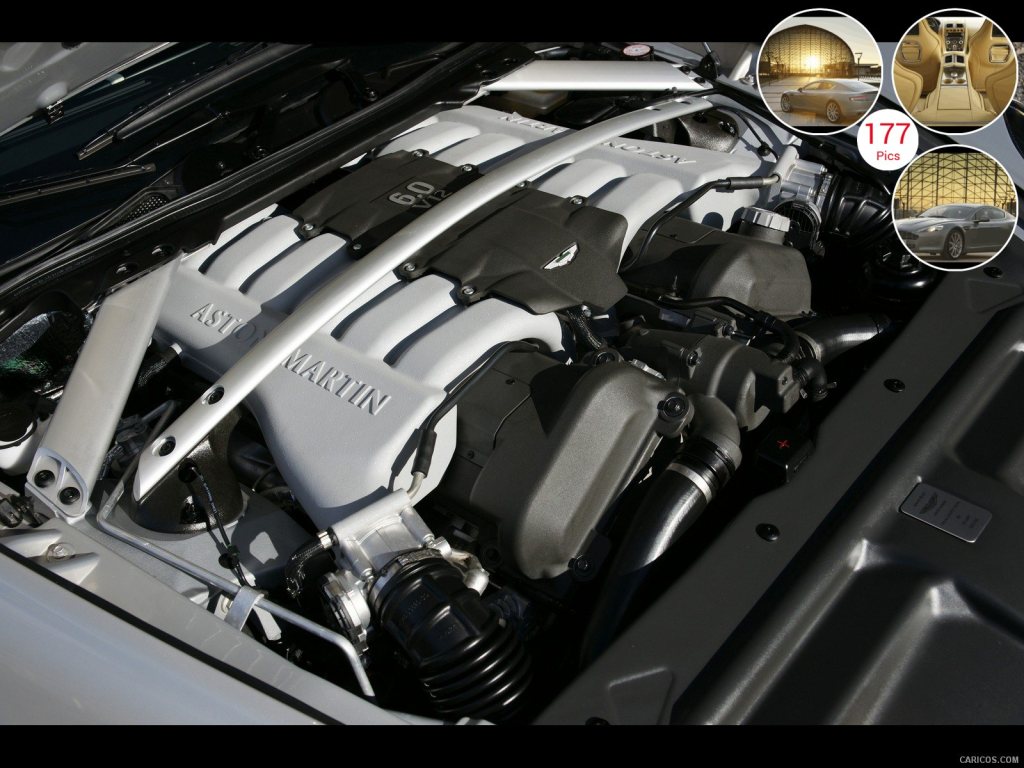
Aston Martin wasn’t playing games when they called this car the Rapide because this car is really quick. The base model has a 5.9L Aston Martin Naturally Aspirated V12 engine generating 420 horsepower and 400 lbft of torque with a 6 speed automatic transmission. It’s acceleration from 0-60mph is 5 seconds, not particularly quick in a drag race, and it’s rear wheel drive, not much grip on wet terrain. But it does have a top speed of 303kph, quite the standard for the 2013 era.
The Rapide S was given a upgrade, generating 550 hp and larger torque, 602 lbft, meaning it corners easier than the standard Rapide. Acceleration improved too with a time of 4.9 seconds from 0-60mph. Top speed improved by 3kph, which really wasn’t a lot.
After 2015, the car became more up to date. They overhauled the transmission, slapping in an 8 speed automatic, upped the horsepower by 2hp and upped the torque by 10 lbft. Not much in terms of power upgrades but the two extra gears shaved off 0.5s from the 0-60mph time and increased top speed by a whopping 24kph!
The AMR however is a different story. Aston Martin basically focused on aerodynamics, brakes and suspension when building the AMR and it still isn’t better than the Rapide S. Despite the new grille, lamps, carbon fiber diffusers and bumpers, carbon ceramic brakes and Michelin Supersport tires, it still has the same 0-60 time as the Rapide S andhas a claimed top speed only 3kph faster than the Rapide S.
By this point, the Rapide S was somewhat on par with the Rapide AMR in terms of stats and it was also on par with Lamborghinis and Ferraris of 2015 which is basically a generation behind. But what really set it apart was the sound. It was one of the best sounding cars of the 21st century and boy tracking this car would be so much fun!
Practicality: 10/10
Considering this car was built for the pinnacle of luxury i was expecting quite a lot.
And boy did they deliver.
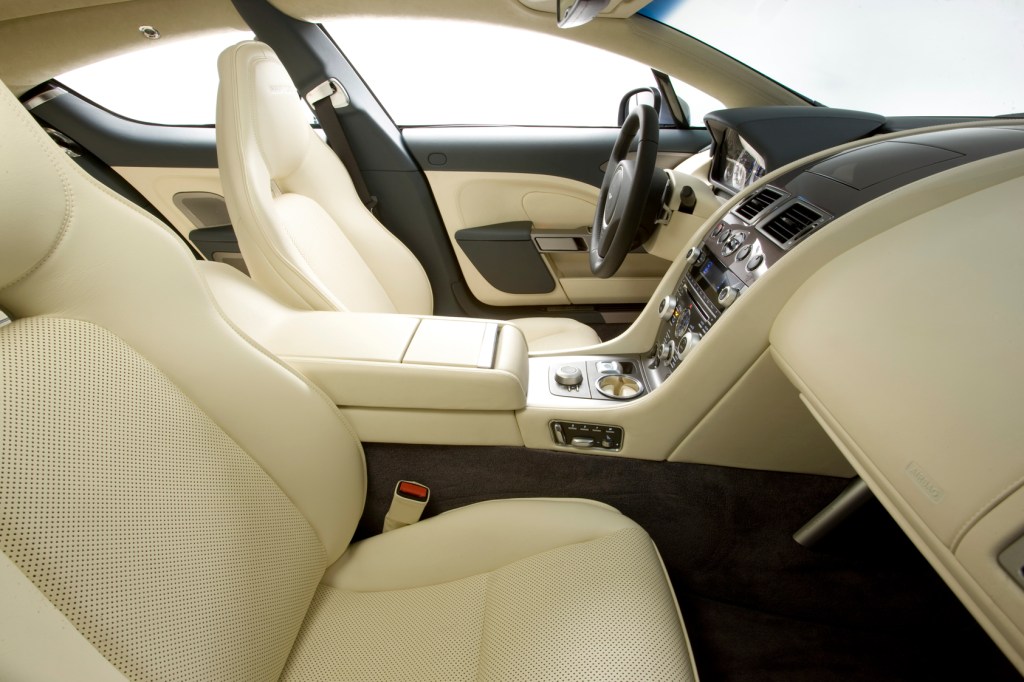
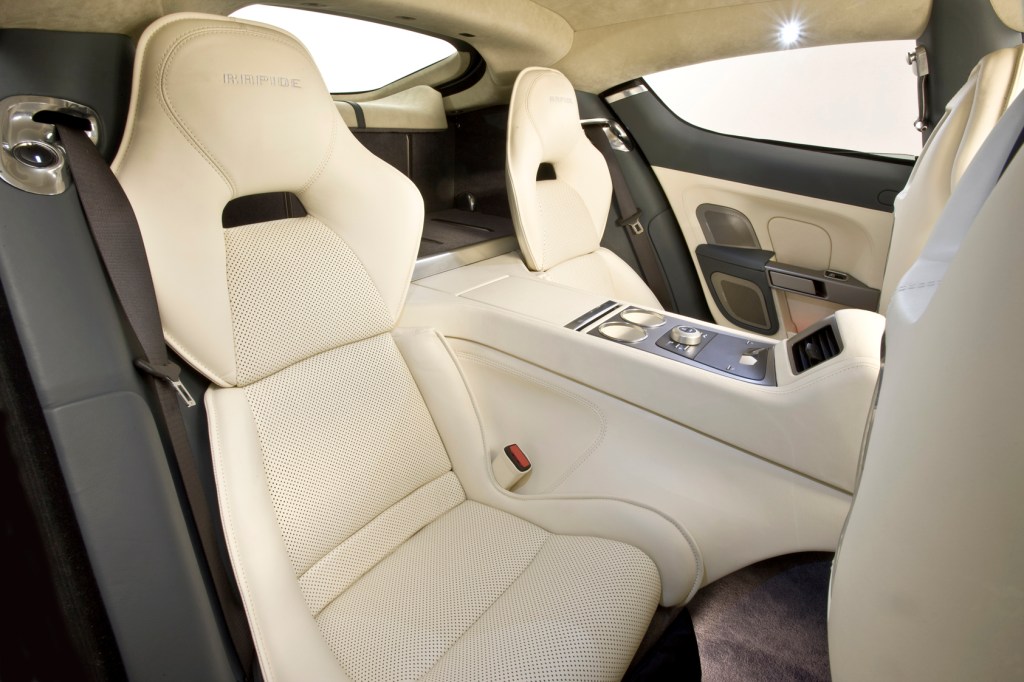
One look inside and you’re practically assaulted by the cream shade of the interior. This is a step back from the racey feel of the DB9 and more like the luxurious feel of a Bentley, maybe even a Rolls Royce. Of course, colours are customisable based on preference and Aston offers quite a lot of options.
What struck me is the leather, there’s a lot of stitched leather, more for the Rapide S than the Rapide, which further hammers it in your head that it’s a luxury sports sedan.
In the front you have a centre console that offers stereo, AC and a pop up sat nav and infotainment system. The Rapide S has the same thing, only with Bluetooth connectivity and Apple Car Play. You have the absolute pinnacle of all sound systems with Bang and Olufsen speakers, now those ain’t cheap.
You don’t get bucket seats like you would a Vulcan and you get the standard seat belt and not a racing harness. What makes the seats special is that the car comes standard with a TV screen! Something you only get standard in luxury cars. In other cases you’re gonna have to pay extra to get it bolted on and it just saps your car battery.
The AMRs interior is more racey but just as stunning.
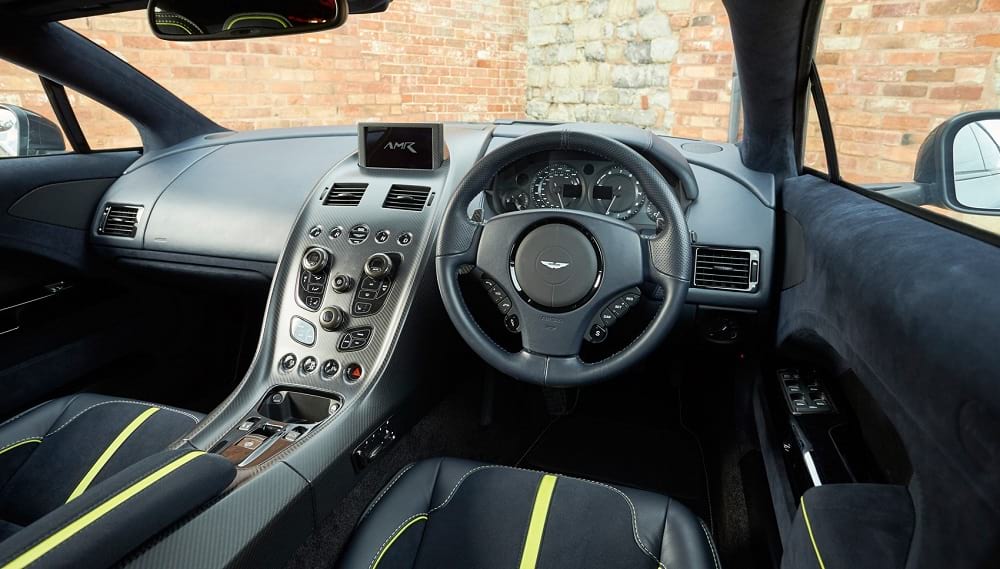
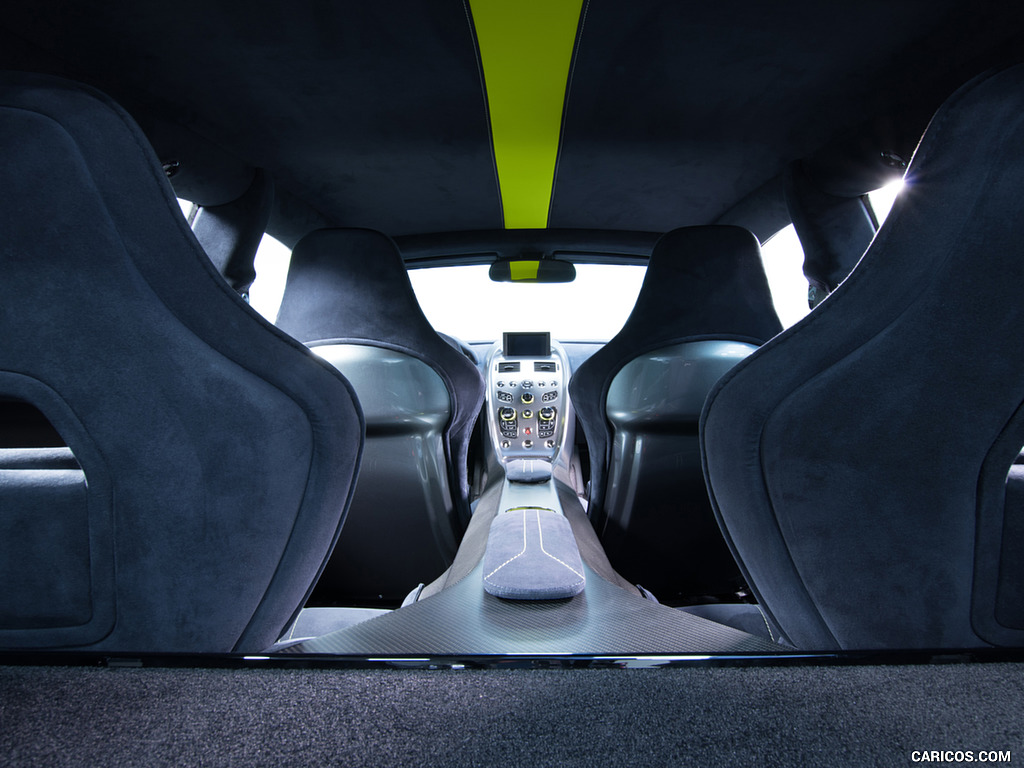
The first thing that catches my eye is that green racing stripe on the ceiling, again, something you don’t see every day.
The car still has AC, radio and the sat nav. It still has the cup holders but everything else has been stripped out, there’s no TV in the back seats (because bucket seats) and the wood lining the original Rapide has been replaced with carbon fiber.
The boot size is very generous for a sports sedan, 886 litres!?!
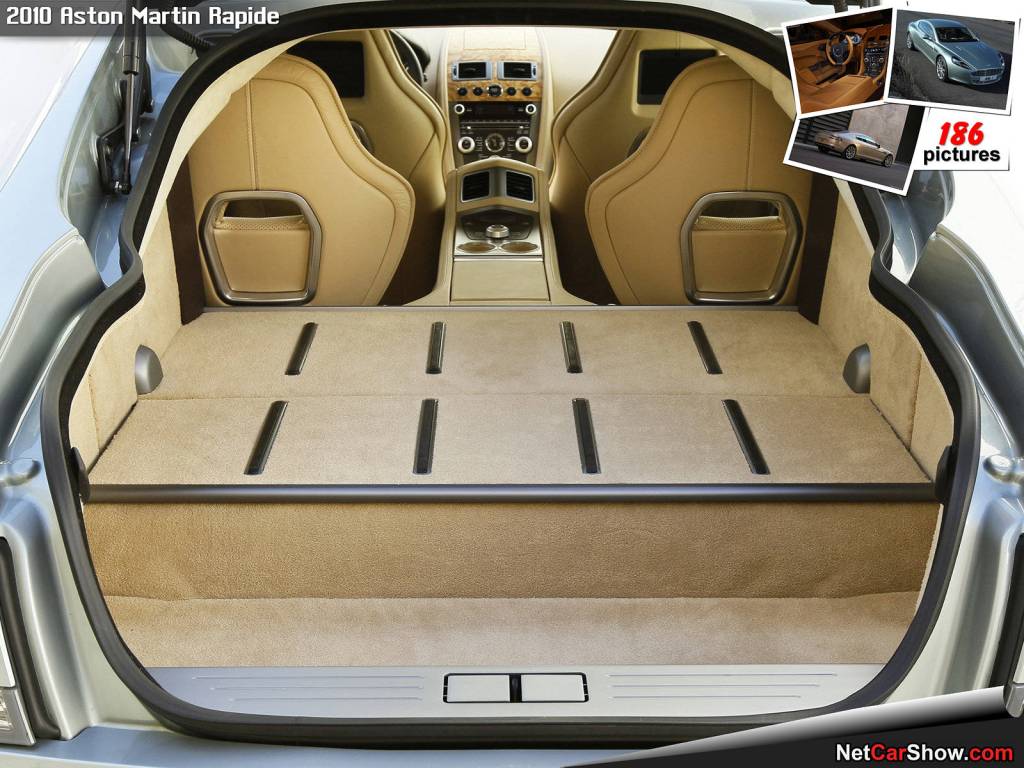
Now that is just heavenly for a family planning to own this car. It’s more than most daily drivers like the Ford Fiesta and even the 2012 Honda Fit which my dad drives! that’s just astonishing! Hauling groceries would be a breeze for everyone.
A solid 10/10 for this category. Not only does it deliver in the brand image of luxury with the trinkets the car offers it has a massive bootspace and that seals the deal! Imma go get one myself!
Price: 7/10
But then there’s the price and people in America and Europe would be happy to know theirs aren’t too expensive.
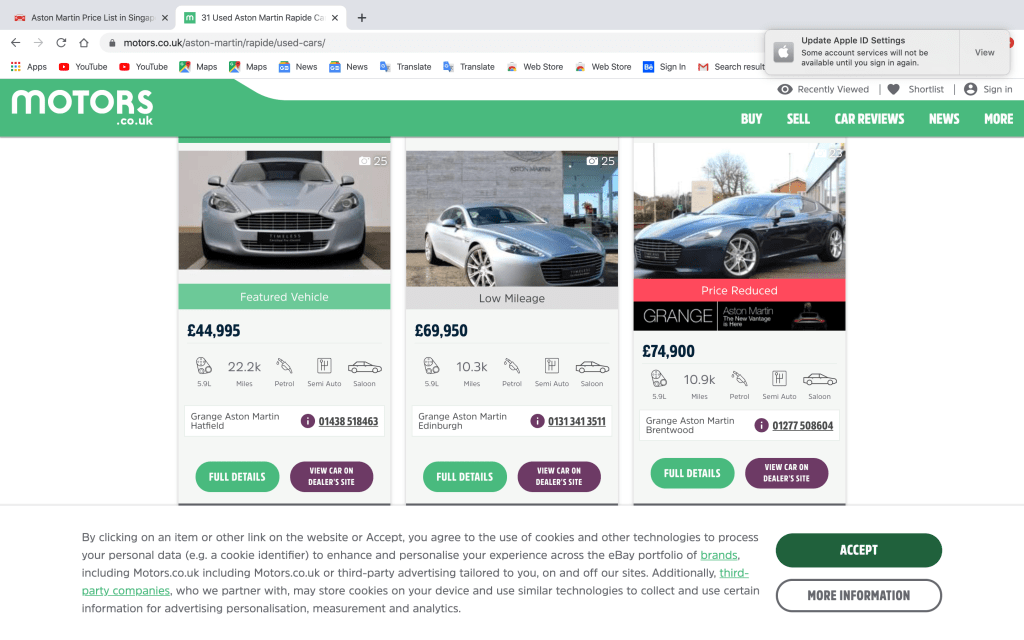
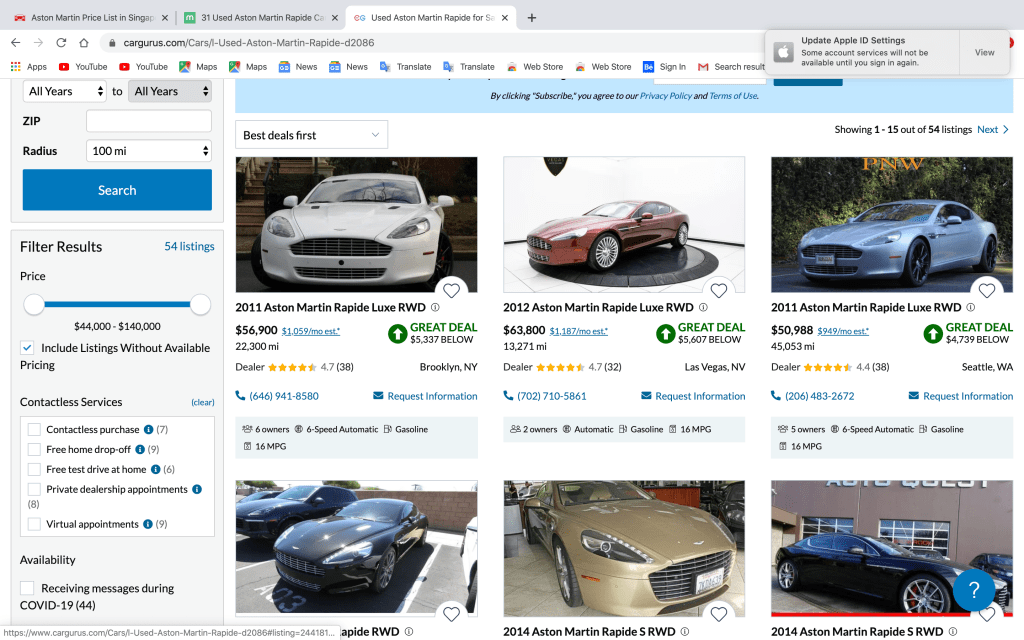
Here in Asia, that’s a different story.
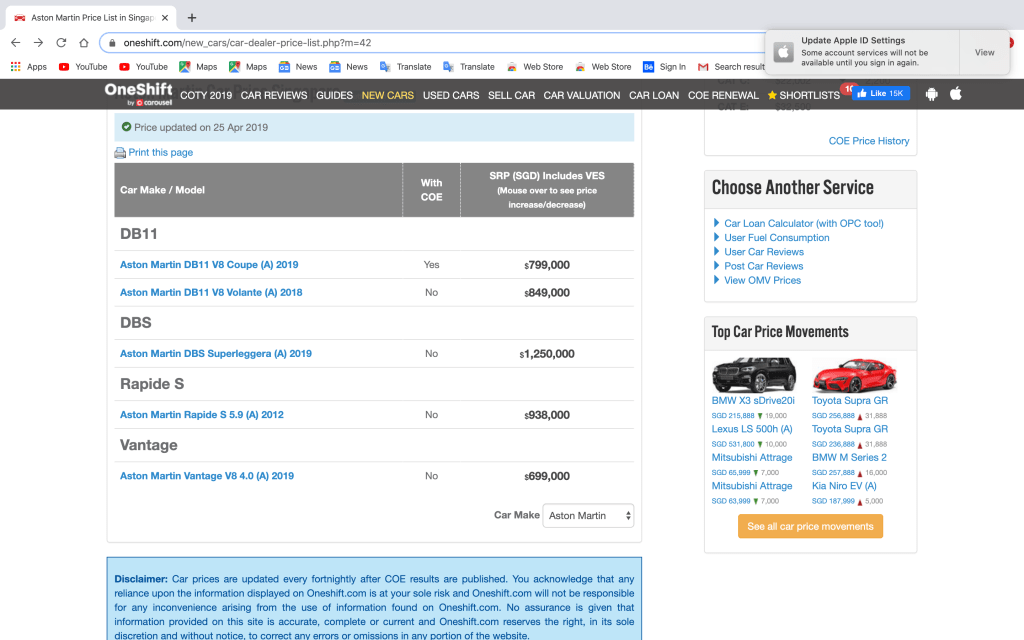
A new Aston Martin Rapide in the USA is about $200,000-$400,000, slightly cheaper in the UK at about 70,000 Pounds. Used they sell it as low as $5,000, a fair price to pay for a V12 engine topped with Bentley-like luxury.
As for Singapore….. more than a million dollars with COE, as much as a new Ferrari 488 in the USA.
The AMR version is super limited, only 250 were ever made so it’s incredibly rare. However, i did manage to find a new one in the USA selling for $260,000 which is not that much of a difference to the base model.
Overall: 9/10
From the outside it looks like a DB9 but on the inside, it’s like an FR (Engine in the front and rear wheel drive) Lamborghini Huracan fused with a Rolls Royce phantom, the best of performance and luxury. But has it lasted? Not exactly. As new cars like the V12 Vantage came out the Rapide became more and more unheard of. But since they’re still producing the Rapide i just hope people keep buying it.
God this is such an underrated car. Blending luxury and performance is tough but Aston Martin have been getting it right since 2013.
NIO EP9
Disclaimer: For this car, the modability section is out too because cars like these cannot be modded.
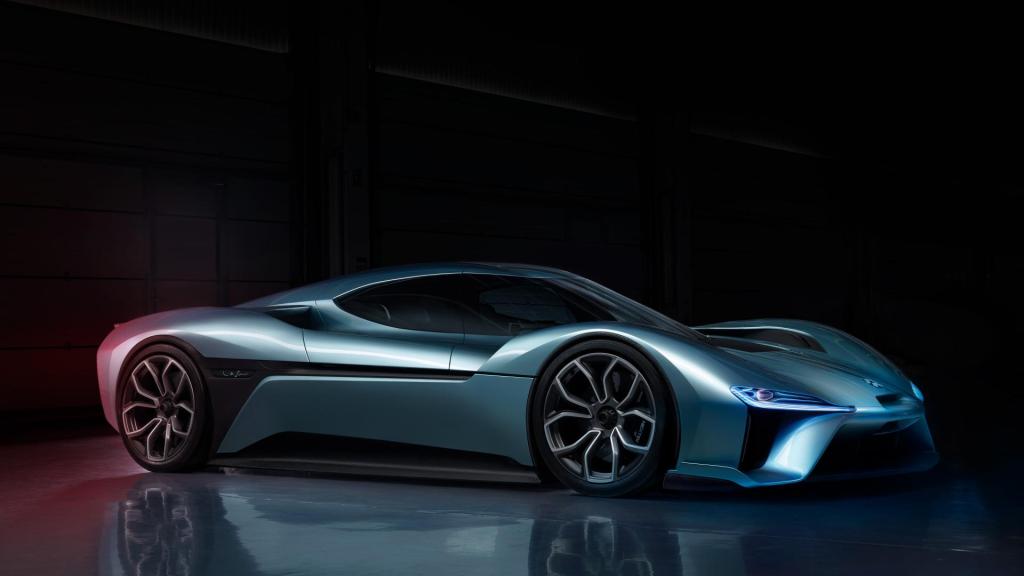
Moving away from JDM we have our first car made in Britain and our first electric car and that is the NIO EP9. This is the first non Formula E car ever developed by the NIO Formula E team and they have knocked it out of the park with this car.
Not much is known about this car since it was launched in 2016 but I can tell you that this car is probably the fastest all electric vehicle in the world right now. This car hasn’t participated in any motorsports races although it does hold the world record for the fastest lap by an electric car on the Circuit de Paul Ricard in France, the Shanghai International Circuit in China and the Circuit of The Americas in Texas, USA.
This car is truly a hidden gem because almost nobody, not even seasoned car enthusiasts know about this car so with the vast medium that is called the Internet, i will do my best to give an honest review of this car.
Looks: 9/10
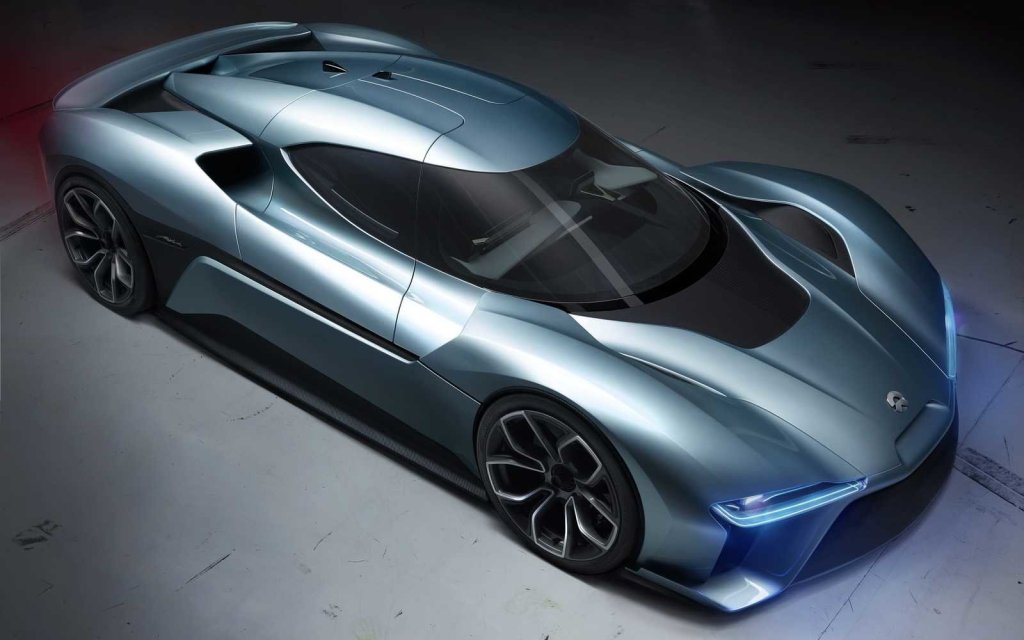
At first glance the NIO EP9 looks more like a concept car than a road car. All those curves and edges makes it look somewhat futuristic, something that’s expected in these types of cars. That’s not to say that the car doesn’t look attractive. By God, the car is beautiful no matter which angle you see it from. It looks like a spaceship almost.
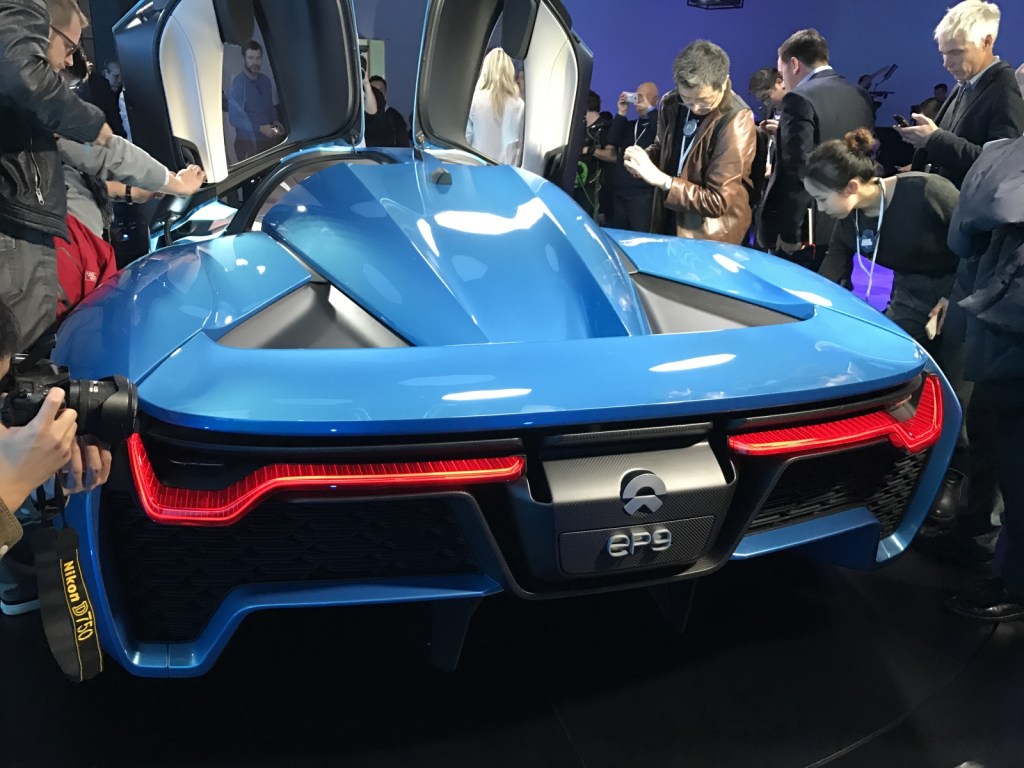
Starting from the back of the car, the rear lights look really similar to that the Renault DeZir rear lights
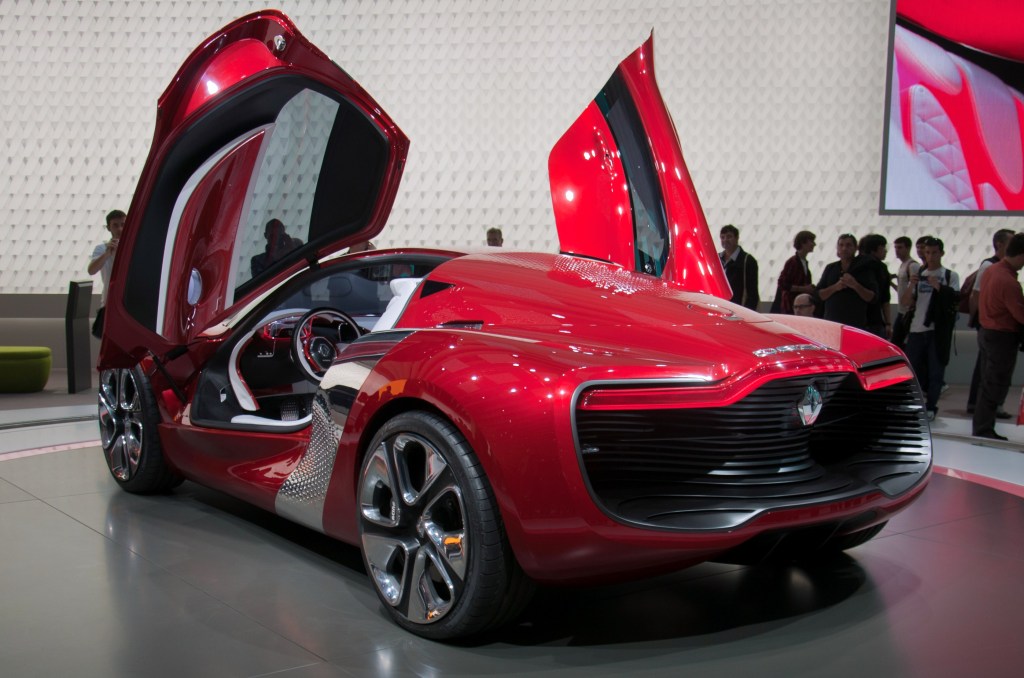
Both of them are unique in a way that they’re sporty. There is no need for big rear lights like we see in non electric modern day cars. Instead the automakers use a line for the rear lights to give it some sort of futuristic feel. A perk of these rear lights is that they’re so noticeable that it’s quite hard to bump into their rear end when driving , something that happens quite a bit with normal road cars. Above the rear lights is what looks like a hydraulic spoiler to increase downforce when the car goes fast, similar to that of the new Ford GT and the Lamborghini Huracan. It blends nicely with the rest of the car.
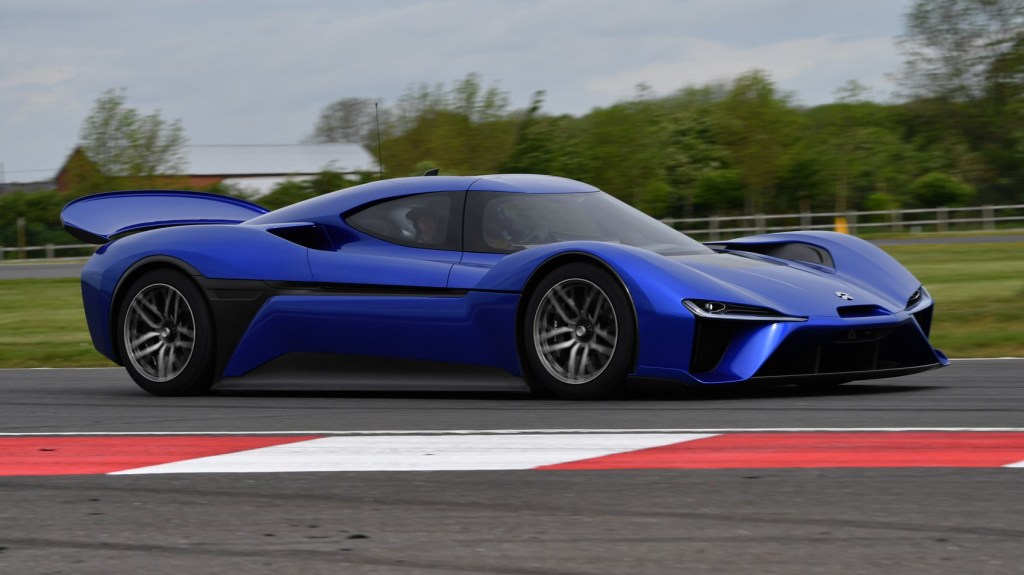
Moving toward the sided you can already see that sleek low to the ground design with that pop up spoiler at the back, reminiscent of a true sports car. Apparently the rear wing of the car can be specifically adjusted based on what state the car is in. If parked the rear wing is blended into the back but when cruising the wing is half out. At 250kph, the wing will produce 24000 Newtons of downforce, about the same as an F1 car so the people over at NIO thought this through very well.
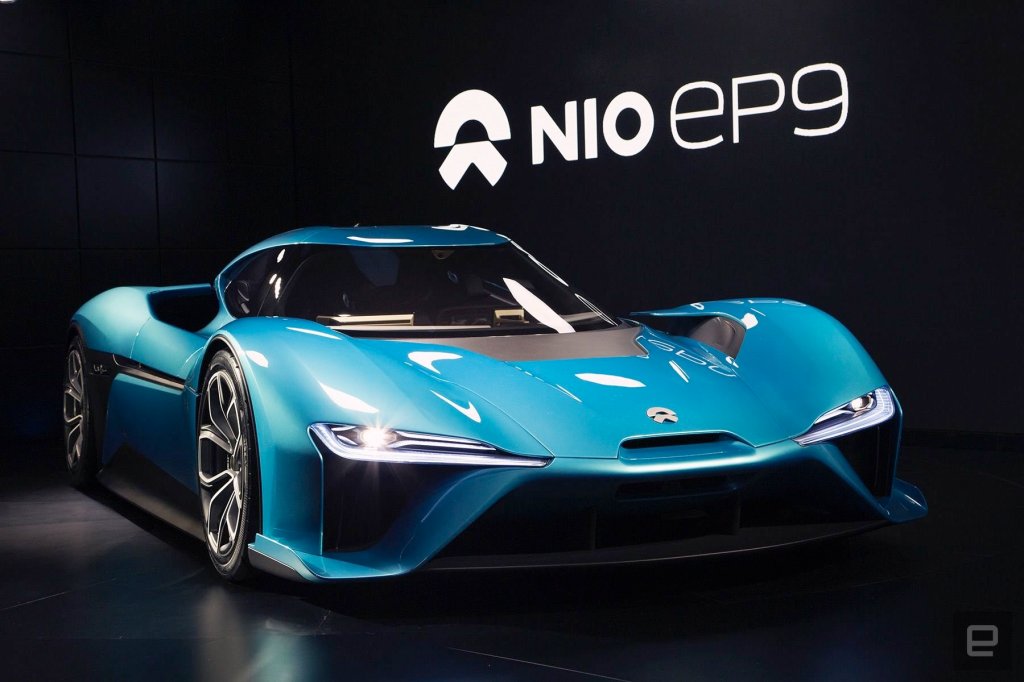
Moving toward the front you have a very wide concave hood and the slits for lights. Being an electric car, there is an absence of vents but that didn’t stop NIO from making fake vents to make the car look more sporty. You also have really big wheels wrapped in very thin tires, very reminiscent of the Mercedes-Benz AMG GTR which is known for shredding it’s tires quickly when drifting.
Even though the whole chassis and interior is made out of carbon fiber, it’s still one very heavy car. Including the battery the car weighs a whopping 1735kg, heavier than a Lamborghini Huracan or even your plain old Honda Fit. This means that acceleration is hampered down by the weight and the load on each tire is huge!
Open the gulwing doors and inside you find yourself inside a literal spaceship.
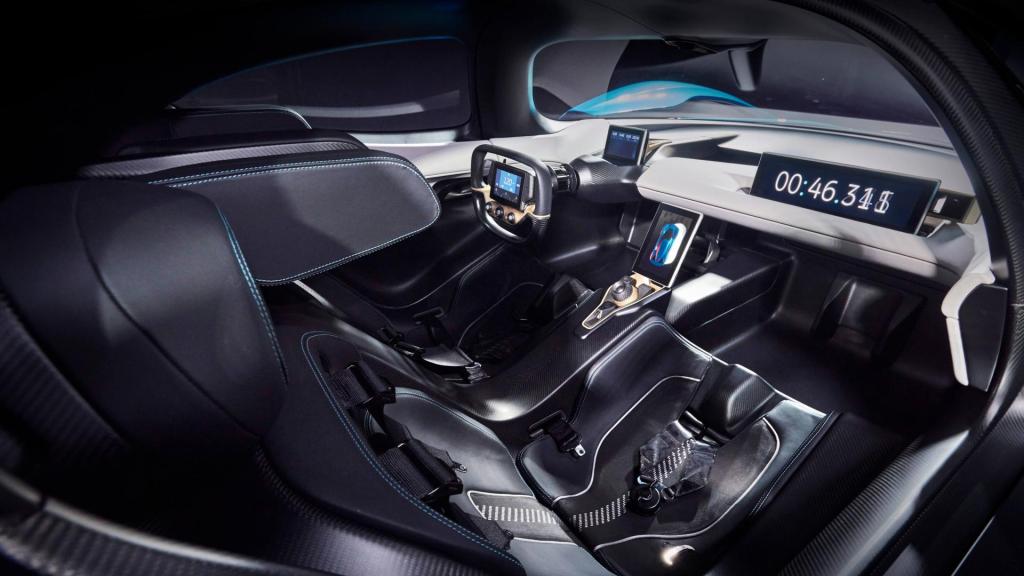
The first thing that catches my eye is those really big bucket seats. It comes with headrest that locks your head into place just like a GT3 car, racing harnesses to keep your body safe in case you crash the car and no armrest.
Interestingly the car has a big screen in the middle to measure lap time, track position and performance data, something you usually see in F1 cars and not on a road car.
The dash screen on the passenger side measures lap time too, top speed, G forces and driver heart rate. That’s some next level technology to measure heart rate.
The steering wheel is a simplified version of the Formula E wheel made by NextEV which further gives that race car vibe to the NIO EP9
I wonder if the feel of all this is going to be like the Aston Martin Vulcan. The feel might be too race car that it’s difficult for people to get inside. the ride height is low so the suspension might be very stiff.
On the plus side the car has gulwing doors so that saves parking space.
Engine Performance (in this case, electricity): 10/10
What would you expect with the car being the fastest electric motor out there.
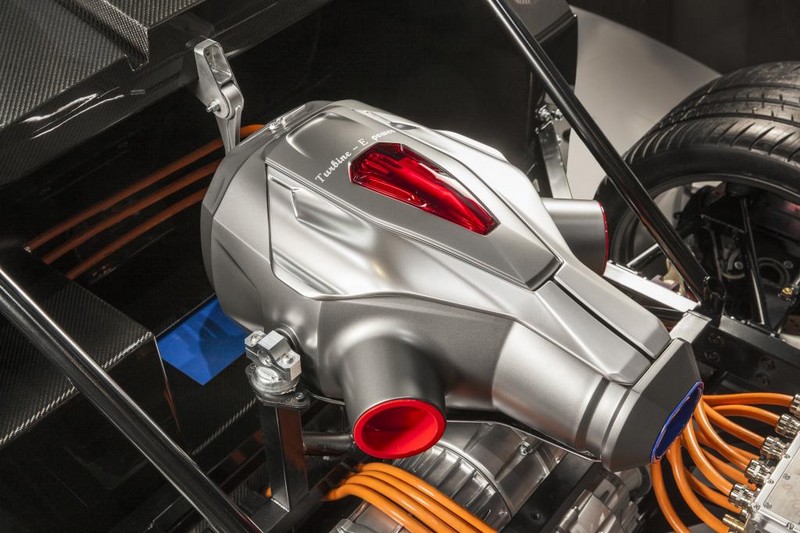
This car is unique for two reasons. One, it’s an electric motor. Two, it’s a fast bad boy, outrunning most conventional petrol engines. The car has four motors in total, one for each wheel and each motor produces 335.25 hp which is about as much as a stock Nissan GTR.
Do the math and the total number of buff horses this bad boy makes is a mind-breaking 1341 hp. That’s about 340 more hp than the quad turbo W12 engine of a Bugatti Veyron!
Although the engine is quite powerful, it does fall short in terms of top speed. The Bugatti Veyron tops out at around 415 kph while the NIO EP9 tops out at only 350kph which is in fact slower than newer Ferrari’s and Lamborhghini’s. Disappointing in this department. But it’s all saved due to the fact that the car accelerates like crazy, a whopping 2.8 seconds from 0-100kph!
As mentioned before, the car has a chassis entirely made out of carbon fiber. Not only that, the car can switch from all wheel drive to individual wheel drive which lets the car zip through corners like a blue dart.
Performance wise this car is up there, beating the best of the best the motoring world has to offer.
Price: 8/10
The NIO EP9 is an electric car designed for racing by a racing team.
So of course the price is gonna be….. a little much.

Of course 1.2 million Dollars is nothing if you’re Jake Paul and can afford a custom made G wagon but this car is rare. Only 16 of these bad boys will be made according to NIO and in the US and some other parts of the world, the 1000hp has made this car illegal for the roads. So to all the rich gearheads trying to get their hands on one of these bad boys, tough luck. You have a better chance getting struck by lightning.
But the reason why i ranked it so high is because for 1.2million pounds you get a lot. First of all, you get bragging rights with how good the car looks, more than 1000 buff horsies with speeds that make you soil your pants and then pee and of course the most important thing, the power to save the earth from air pollution and fossil fuel depletion.
Overall: 9.5/10
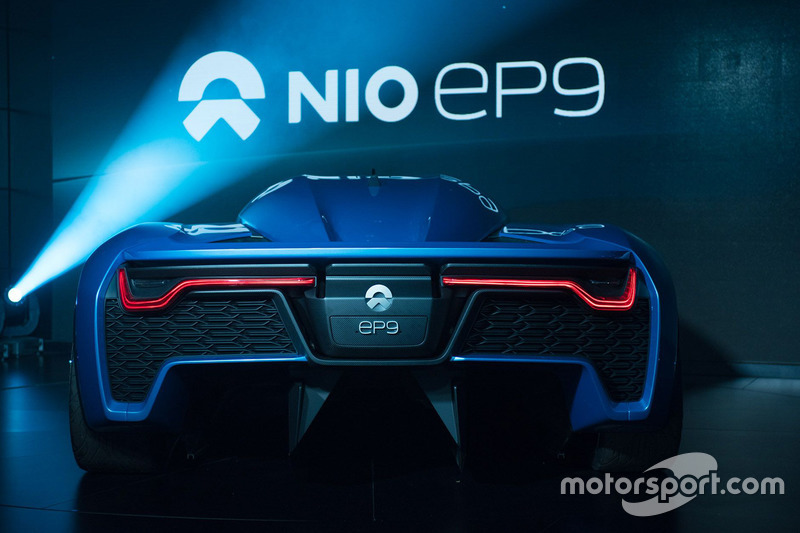
The NIO EP9 is truly the pinnacle of all electric cars, what an incredible machine this is, truly a look towards what the future in motorsports might look like.
The fact that almost nobody knows about this car is pretty sad, it’s probably one of the most underrated car sof all time. Barely any car can match up to this car. But is there….? We might just find out soon enough.
Disclaimer
For future posts regarding supercars such as most Lamborghinis and Bugattis, the Practicality category will be omitted because comparing practicality between supercars and road cars is just not fair.
Thanks for the continued support of my blog!
Classics vs Moderns, AE86 vs GT86
Still in the shores of the Land of the Rising Sun, our first two entries in this segment is the iconic 1983 Toyota Sprinter Trueno AE86 and the 2016 Toyota GT86.
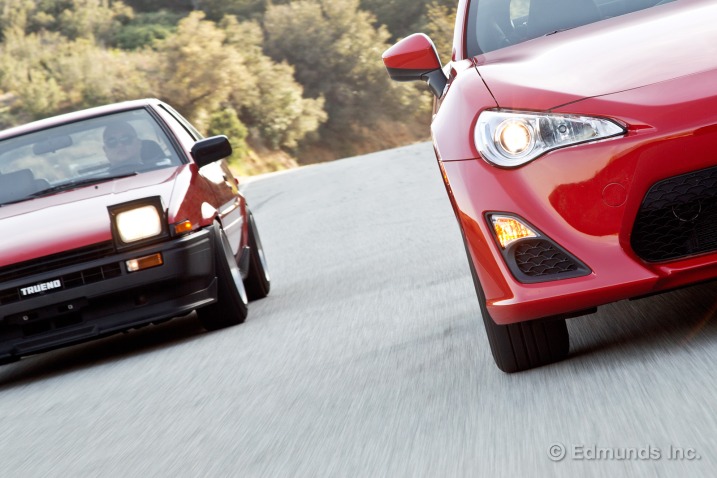
Of course we can’t start talking about the GT86 origins without talking about the AE86 origins first. The AE86 was made in 1983 and stopped production in 1987. There were two variations of the car, the AE85 Levin which had fixed headlights, slightly different rear lights as well as a different engine and the more iconic AE86 which had pop up headlights. Both came in the hatchback or notchback version.
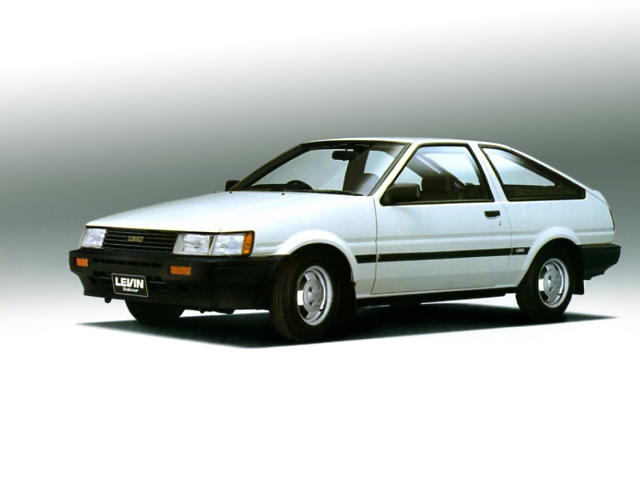
The Levin
They were in Rally events as well as Touring Car championships, winning the Manufacturers Championship in the European Touring Car championship. Drift King Keiichi Tsuchiya helped popularise drifting using an AE86. Without him, Formula Drift in America and many other drift championships wouldn’t be here today. Fun fact, the car wasn’t considered cool until the manga and anime Initial D came out. That manga is hailed as being the driving factor that skyrocketed the sales of the AE86 so without the manga, the AE86 would’ve been like some boring car you see on the road back in the early 2000s and it wouldn’t have spawned the GT86.
In January 2012, Toyota collaborated with Subaru and made a car that would be the spiritual successor to the AE86, the GT86. It was marketed as the Subaru BRZ as well as the Scion FRS, the latter didn’t last long, only three years.
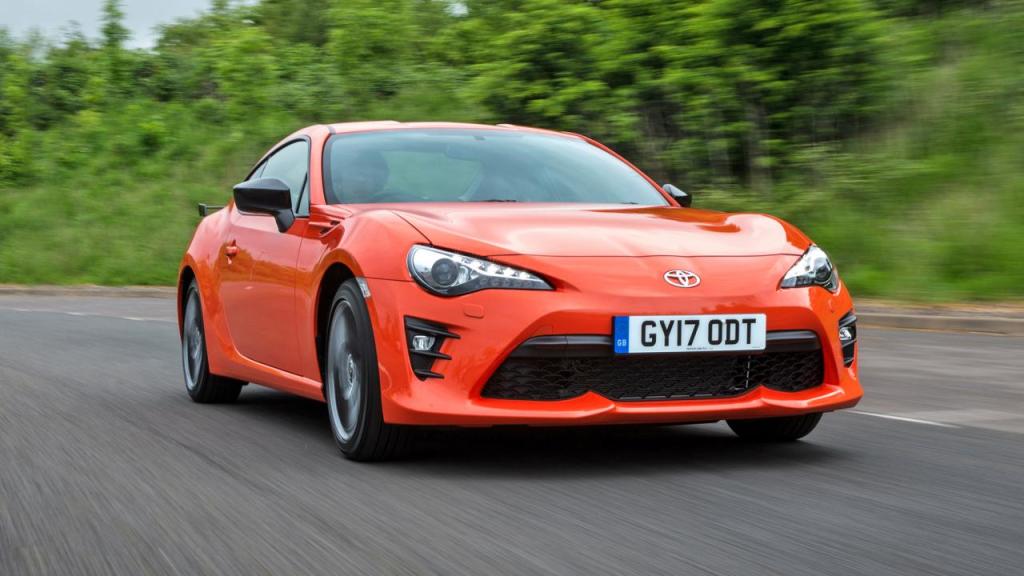
The GT86 was also prominent in the motorsport sector, mainly in Touring Car championships, Endurance championships, Time Attack as well as big challenges such as One Lap of America. So the question remains, does all these achievements and the redesign make the GT86 a better car?
Looks: AE86:7/10 vs GT86:7/10
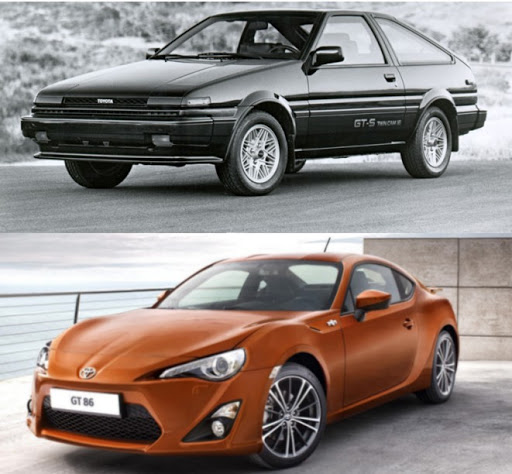
In my honest opinion the differences are striking. The AE86 without the Fujiwara Tofu Shop livery and a two tone paint job is not as appealing. It is certainly not a head turner and one would just mistake it as a normal mundane city car carrying groceries. That is if you live in the ’80s. Ever since Initial D came out in the ’90s the AE86 has become this charming little car and became a head turner. Soon people got caught up in a competition on who could best replicate Takumi’s AE86. Now whenever someone drives an AE86 people would look at it and dream about having it. The GT86 on the other hand is a car that screams “look at me” on the road and is certainly not mundane for the modern era. Sure there are cars far more beautiful than the AE86 and the GT86 but they’re certainly not the ugliest.
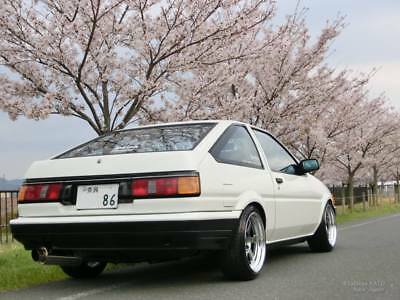
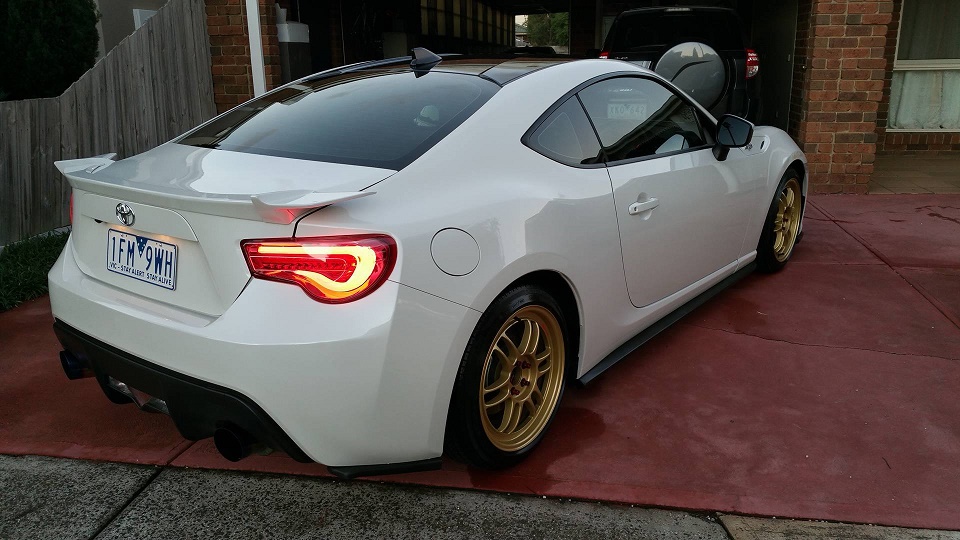
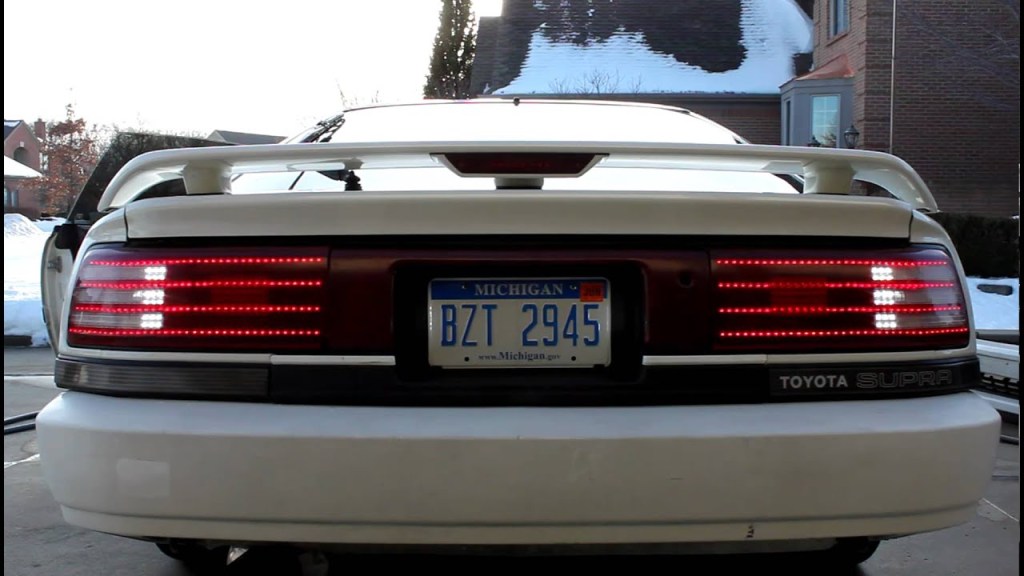
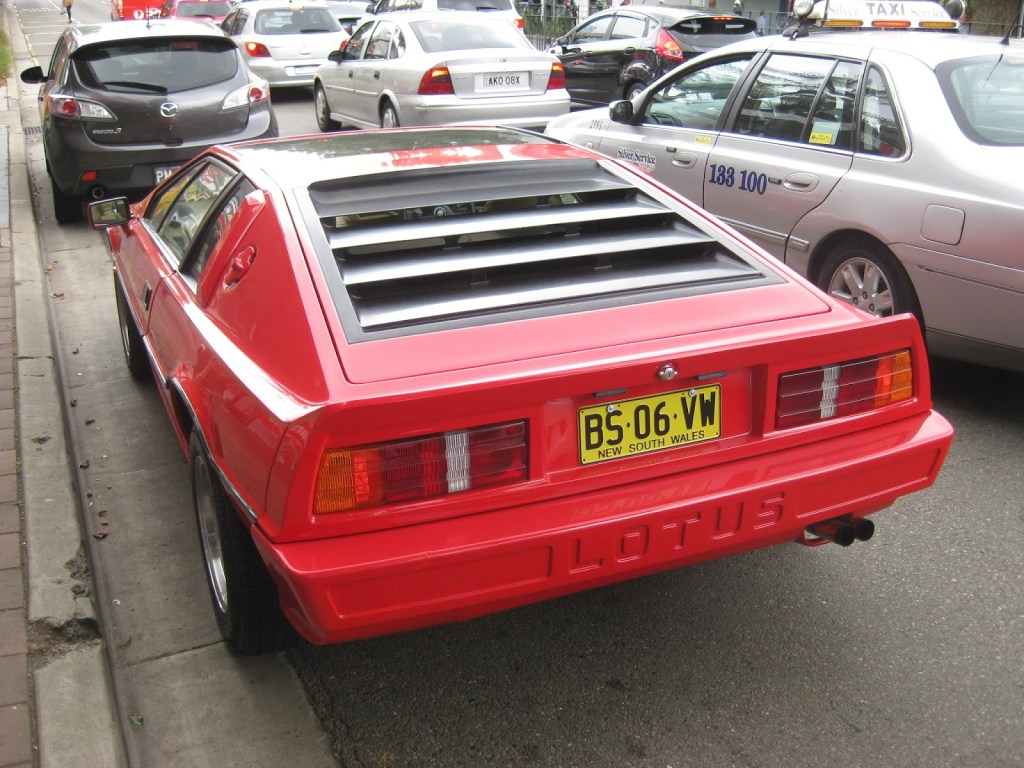
Comparing these two rear ends there is definitely a striking difference. The rear end of the AE86 tends to look a bit boxy but at the same time quite attractive. In todays standard because of Initial D and such, the AE86’s rear lights have become a rustic charm, something you don’t see every day which scores some look points for the AE86 but back in the day, those rear lights were the norm. So many cars had that set of rear lights or similar rear lights from the early Supra to the Lotus Esprit.
In contrast, the new GT86 has rear lights that are unique in their own way because each model from each different company (Subaru, Toyota and Scion) has a different set of tail lights. Even then it’s pretty hard to tell them apart. The rear lights look quite sporty for todays standard which scores points in it’s own right.
Moving towards the side of the cars you can see their general silhouette. The GT86 is reminiscent of your modern day average sports car, easily recognisable.
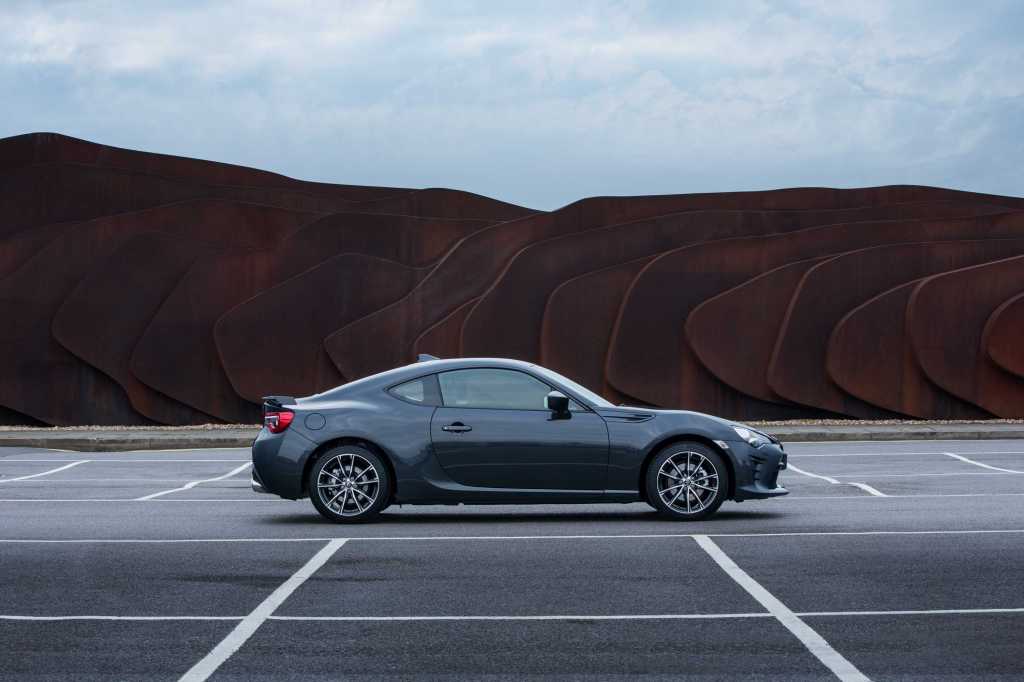
That swooping wave from the front to the back gives the car a sort of streamlined sporty look. With just a silhouette you’d probably mistake this car for maybe a BMW Z4 or a Porsche 918 Turbo.
It’s a different story for the AE86.
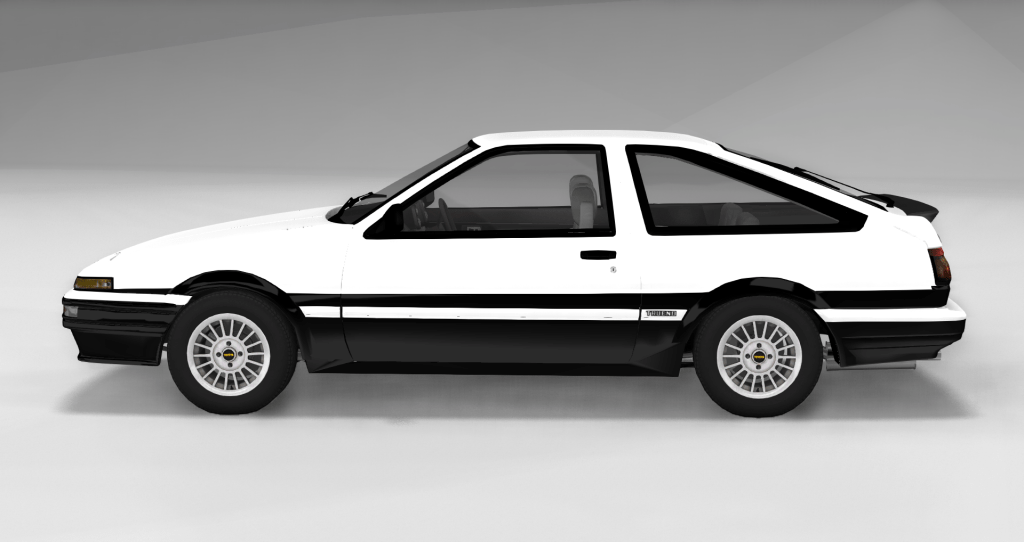
An AE86 looks a bit more like your generic old ’80s car, some comparison would be, again like the early Supra or maybe a Delorean. The shape is distinct between all ’80s cars.
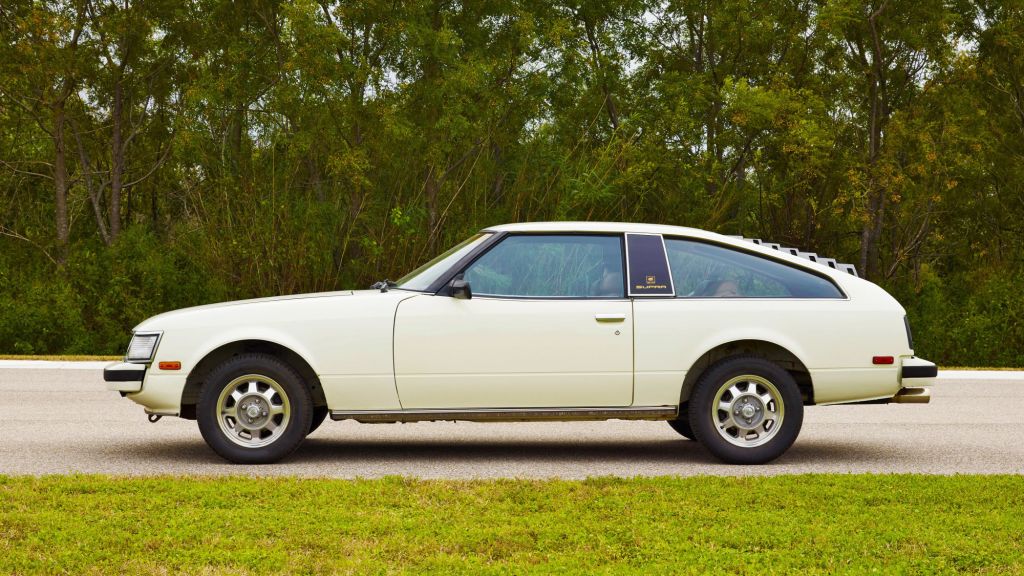
It might be normal for the ’80s but at the same time it does give this classic charm in the modern day that has garnered much love and interest in this car. It’s a head turner but for a different reason so points for that as well.
As we move to the front, the differences only grow from there. Of course the AE86 still maintains the ’80s retro vibe with those iconic pop-up headlights with the iconic “Trueno” badge on the front grille, something the Levin or the new GT86 never had.
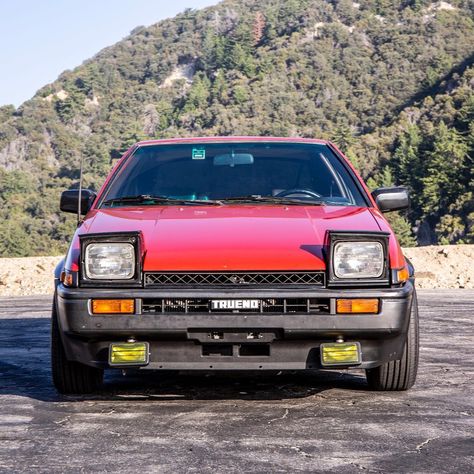
It might be a small grille but it does serve it’s function pretty well. A bigger grille would make the car look a bit ugly. I would’ve loved the fog lights on the bumper to be standard, just that one fault. The AE86 captures that sort of ’80s charm on the street and of course, in a race. That front end is iconic if you race against it on your average club race or maybe on mountain roads, which gives it points.
The front of the GT86 has had a few facelifts from 2012 to recently although pretty minor.
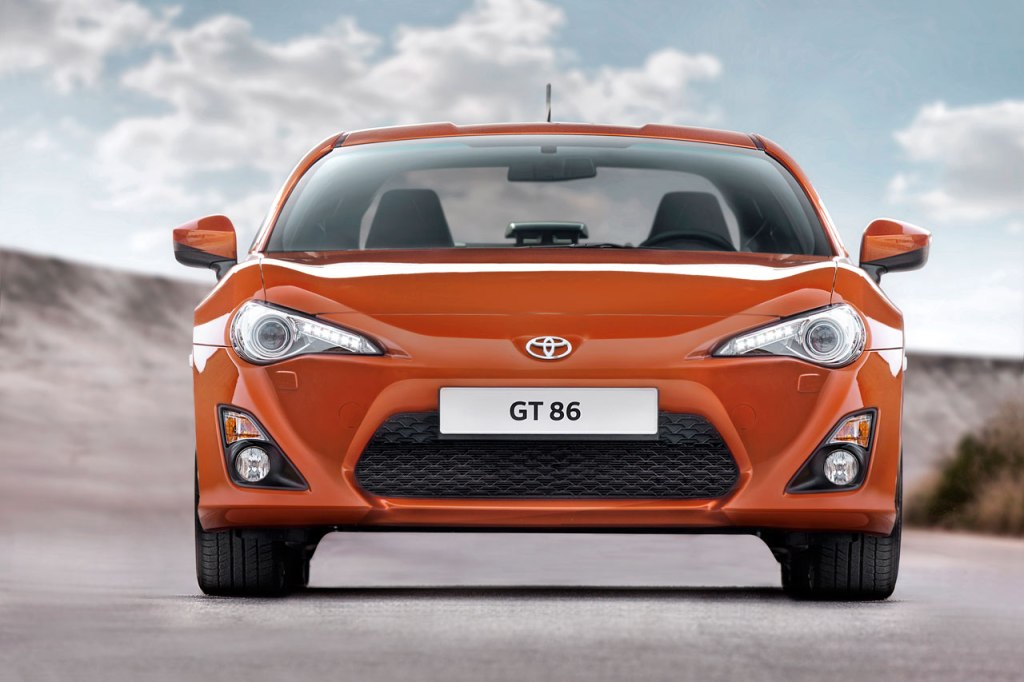
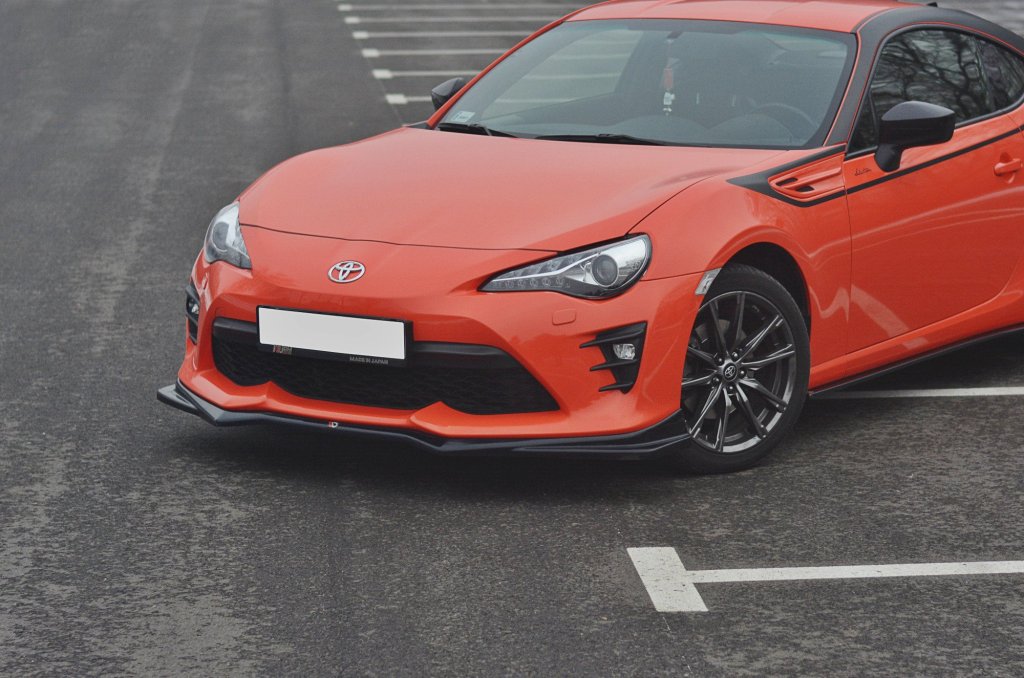
As mentioned, the GT86 is the embodiment of your average sports car and it further proves that in its front end. Gone are the pop up headlights from it’s predecessor and the boxy fron outline and in with the new sleek style, halogen fixed on headlights and vented fog lights. The new front splitter makes it look that much more aggressive than it’s predecessor which is bound to make people’s head turn.
The result of this category? It’s a tie. Although the new GT86 looks good being modern, the AE86 looks good as an ’80s style car in the modern age, further lifted by its presence in the geek world.
Modability: AE86: 8/10 vs GT86: 9/10
After watching Initial D i thought “Oh so that’s probably the most people will mod an AE86. Put on Watanabe rims, a carbon fiber hood, add fog lights, better suspension, a new Tachometer, stick the Fujiwara Tofu Shop sticker and it’s ready to go.”
Boy was I dead wrong.
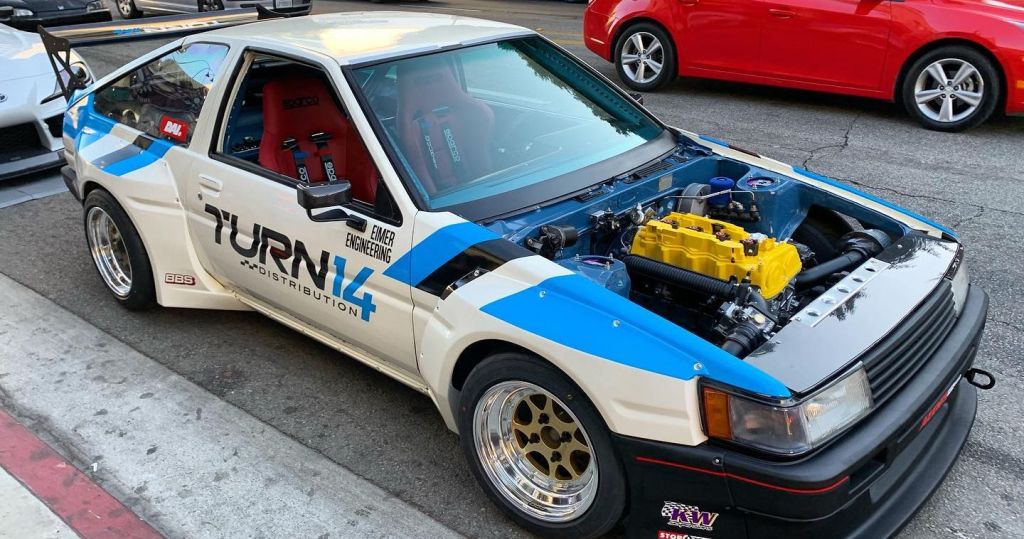
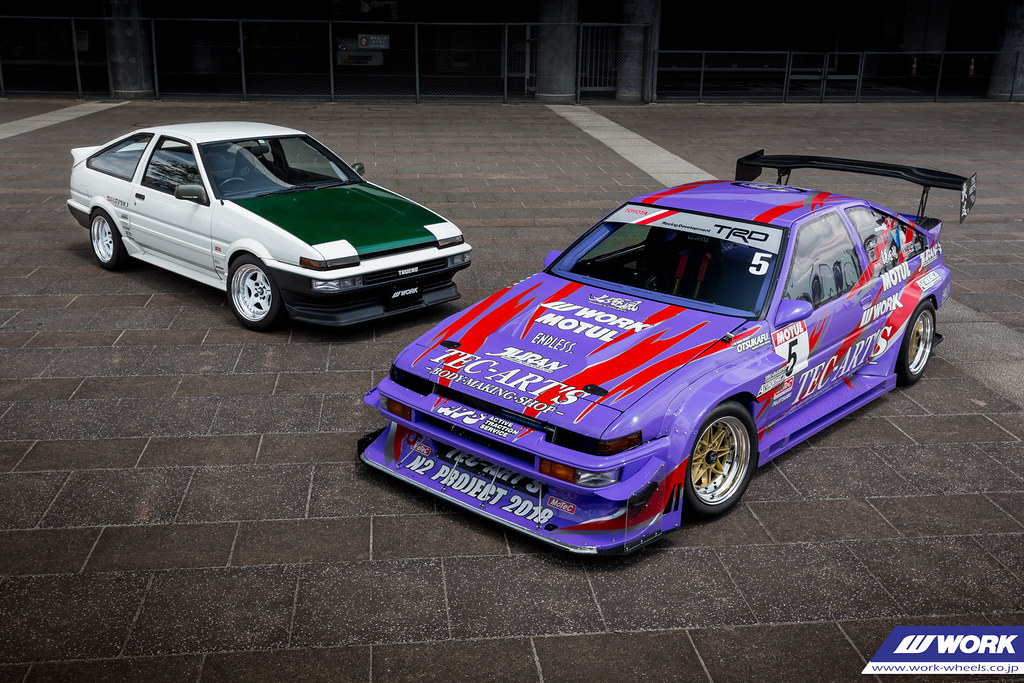
The opportunities are almost endless although not as much as the Evo VIII. From the back most rear wings will work or if you like to keep it simple, just use the stock lip that Keiichi Tsuchiya uses, although in my honest opinion i wouldn’t put such a huge wing on an AE86. As for bodywork…. not much. Sure you have some pretty good looking front bumpers or side splitters but on this car a lot of them won’t fit. You’re going to need to look at cars that have nearly the same looking chassis to fit it on because the front is so boxy looking and that’s really where this car falters compared to the GT86.
As for the paint, it’s like the Evo VIII. Go wild with it. Any type of paint including hot pink or neon green will work on this car.
You are spoilt for choice on rims, unlike the Evo VIII or the GT86, any rim will look good on this car whether it’s the stock rim or some hubcaps from a Hudson Hornet.
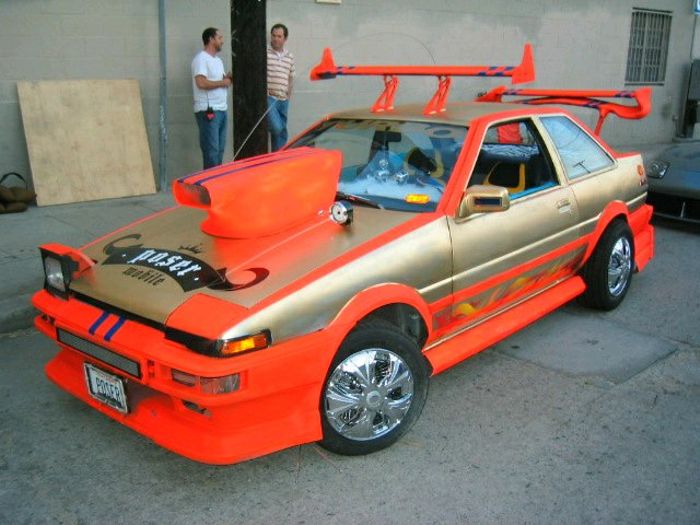
But of course, don’t rice you AE86, you’ll look stupid.
Again, the GT86 is a different story.
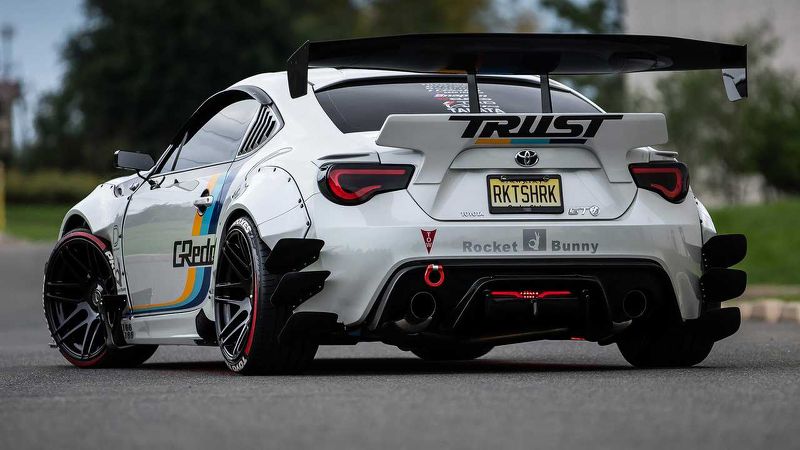
The GT86’s sleek body provides a myriad of options as compared to the AE86’s boxy ’80s body, and that is body kits. The first thing that comes up to gearheads’ minds when they put GT86/BRZ and body kit together is the brand Rocket Bunny. It’s one of the most popular aerodynamics parts stores around the world and it works mostly on sporty cars. Starting from the back you can get a something as ricey as a GT wing or get something as simple as a rear lip (something Rocket Bunny loves to use when advertising in their racing games). You can choose to black out you rear lights, add a really huge diffuser and stick on some cool canards, something you can’t do on an AE86.
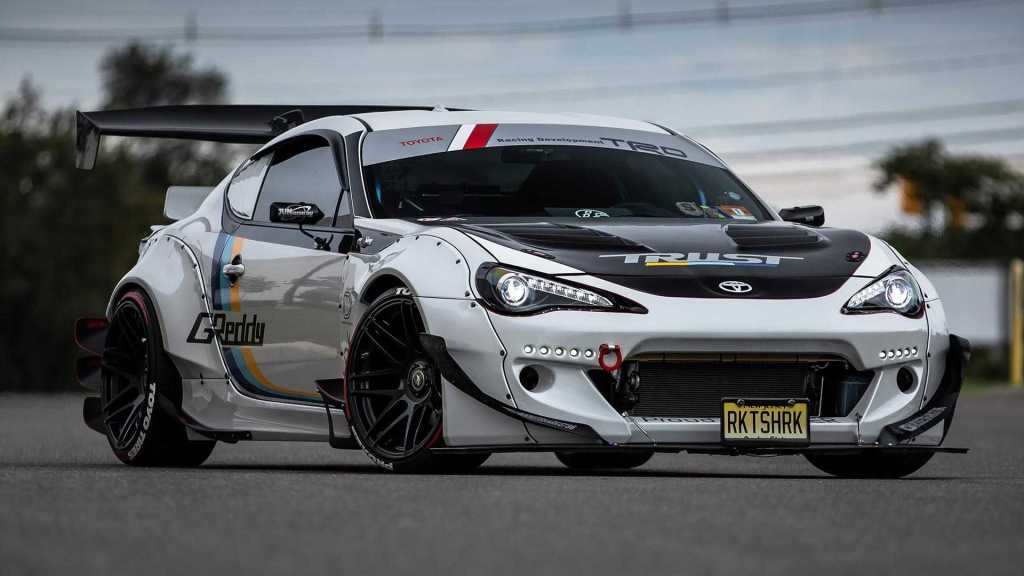
The sides is where this car really shines. For starters, you can lower this car very far, it’s a really viable stance car. Bolt on fenders such as the one above look very appealing from every angle. Paint wise you can choose to keep it simple with the factory paint but like the AE86, you can make it flashy too such as in the picture above. For the front, you can black out the headlights and maybe add fog lights but those are hard to come by. A carbon fiber or black hood with vents is definitely a must for this car, not only does it look great, more air gets sucked into the engine. I honestly feel that the stock front bumper on the new GT86 already looks really good but then again for this car, you’re spoilt for choice on front bumpers unlike the AE86. For rims, any rims except for hubcap rims will suffice. I’d personally put Watanabes or BBS rims on my GT86 if i ever get one. Top it off with a low front splitter and canards (You can’t get canards on an AE86) and you have yourself probably the best looking GT86.
Well, it’s a tiebreaker. The GT86 has an edge thanks to it’s sleek body making way for more design options than it’s predecessor.
Engine: AE86: 7/10 vs GT86: 8/10
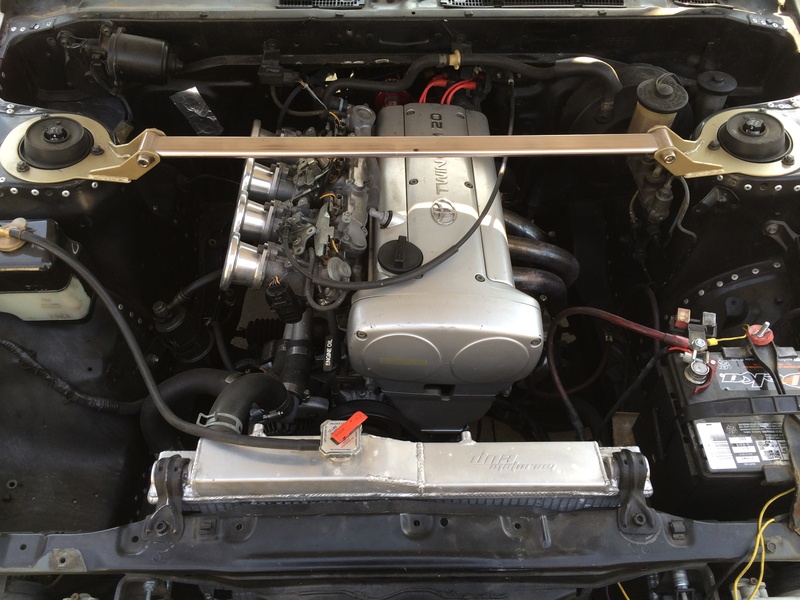
Stock, the AE86 came with a somewhat underwhelming Dual Overhead Cam (DOHC) 1.6 litre Inline 4 4A-GE engine that was naturally aspirated (NA) and made a measly 128 brake horsepower. Customers were offered a 5 speed manual or a 4 speed automatic. It gets even worse in America with the engine being detuned to 112 bhp which is 8 less than a 2012 Honda Fit. Talk about a lack of performance. The AE86 was never supposed to be a race car so the engine was made to be as reliable as possible and it was, which is why it scored so high despite the measly specs. It’s an NA which means the gas mileage isn’t that bad, customers say that it usually takes them 500 or so kilometers before the gas light comes on. Toyota never made a sport version of an AE86 for the road so unlike the Evo VIII, there was no Rally version or such and the engine stayed the way it was.
Until…… Initial D happened. Many gearhead weebs should remember if they’ve read Initial D that a Touring Car Group A engine was swapped into Takumi’s AE86 the first time he blew his engine. And I also mentioned that the AE86 was prominent in the Touring car scene.
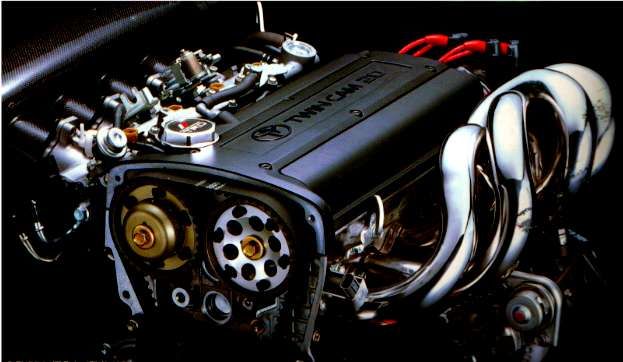
They never said much about the specs in the manga but according to the official Initial D wiki, the engine is an AE101 20 valve Silvertop which is a variant of the 4A-GEU engine specially designed by Toyota’s Racing Department (TRD). The engine redlines at a whopping 11000 rpm (Usually sports cars with V8s and V12s redline there) and makes a healthy 240 bhp. Some readers say it was detuned down to 220 bhp but we don’t know for sure. Both Shuichi Shigeno (the author) and Keiichi Tsuchiya (the Drift King and one of the supervisors for the manga ) never said. Other engine swaps are quite rare because the hood only fits a 1.6 litre engine, meaning no LS swaps or V8s for you horsepower loving Americans. Anyway that aside it’s still a pretty good engine, it’s just hard to get your hands on unless you have connections with the Touring Car administrators.
You can still tune the engine but with that type of body frame and the engine being 1.6 litres, it won’t last above 200bhp unless you turbocharge it. Ideally to tune the engine, it’s best that you get the AE101 engine then add turbos, because NA tuning won’t get the engine above 260 or 300bhp.
But even that is not enough to compare with modern technology.
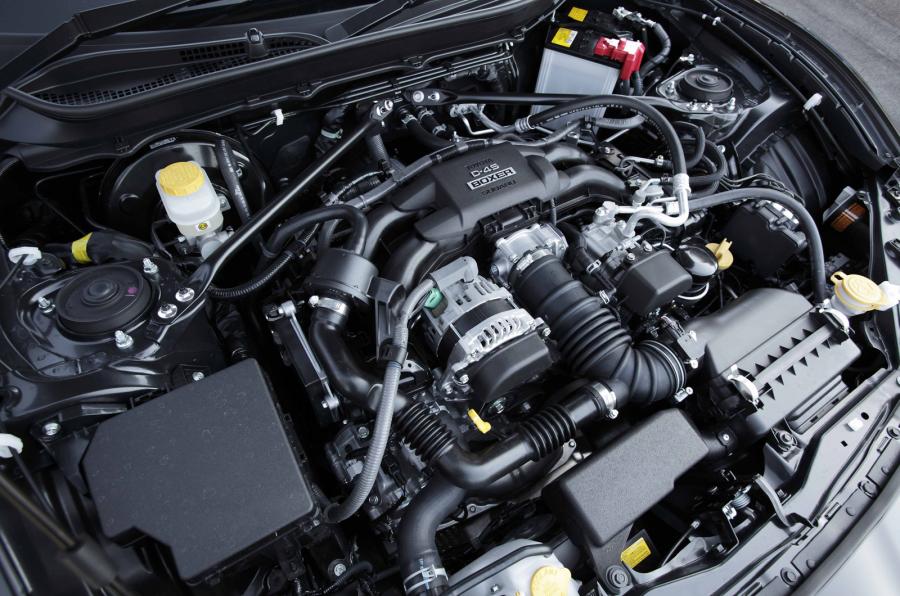
This engine is unique because it was jointly developed with Subaru so both companies have almost the exact same engine. Earlier models used an NA 2 litre 4U-GSE engine for Toyota and a FA20 H4 engine for Subaru which makes 197 bhp and 151 lbft of torque. The later models which were the 2016-present redesign got a 205 bhp 4U-GSE with an updated final drive and 156 lbft of torque. TRD had a hand in making a better version of a car but instead of upping the engine they instead upgraded the brakes.
But what about the adrenaline junkies that are reading this and thinking “200bhp isn’t gonna cut it”? Well engine swaps are more varied than the AE86 considering it’s a 2 litre engine. LS swaps are ideal and 2 litre V8s are plentiful. There’s even some madlad that swapped a Ferrari V12 into a GT86 and drifted it during the Goodwood Festival of Speed last year!

Now you might be thinking “Well, you just shot your own foot. If you can swap a Ferrari 458 engine into a GT86 you can probably swap a big block 6 litre V8 into an AE86!” But reality is harsh. The AE86 is a boxy car, not like the GT86. To fit that 458 engine into the GT86 they hat to cut out parts from the engine bay and they were lucky the car maintained it’s structural integrity. At most, a 2 litre engine might fit into an AE86 but that’s only if you cut out parts from the already small AE86 engine bay which might damage it’s structural integrity. Plus, it’s just not the same car. So virtually, swapping a high tech engine into a retro classic ’80s car is almost impossible to say the least.
With the stock horsepower already higher than the AE86 and the car being built with the intention to go fast, tuning it past 400bhp might not be much of a problem.
Horsepower wise and engine swap choice wise, the GT86 has the slight edge over the limits of the AE86 so the point goes to the GT86.
Practicality: AE86: 9/10 vs GT86: 7/10
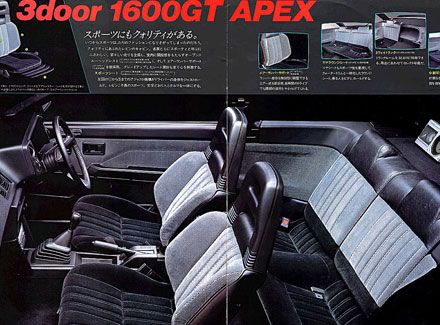
For such a modest and old car of course the interior is bound to be old. Leather seats with a fair amount of legroom fitting five people, just your average ’80s comfort. It’s not particularly large nor is it cramped, just the right size.
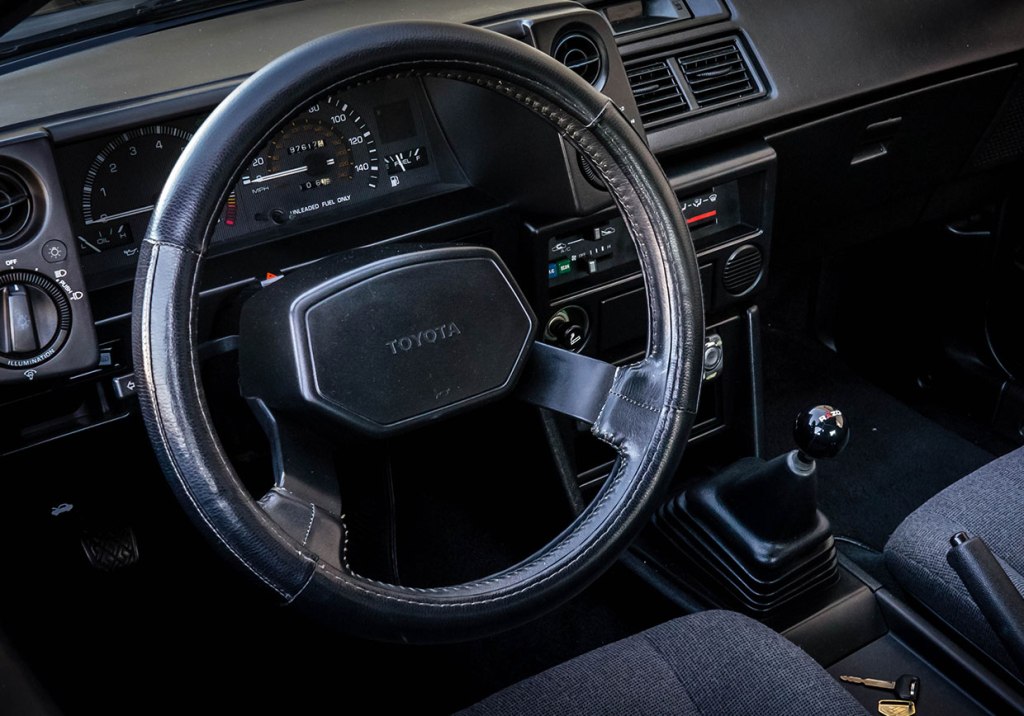
If you lived in the ’80s and bought an AE86, you’d get stereo, air conditioning and all the usual. What the AE86 does not come with is a cup holder which i still don’t get why. When you buy an AE86 in the modern day the interior is bound to be modded one way or another. The steering wheel especially most of the time will be swapped with a MOMO steering wheel of if you have cash and are a big fan of Initial D, Italvolante is the one to go for. The front seats might be swapped for Bride bucket seats but other than that everything else should stay mostly stock. Of course, a cup holder will be added.
The charm of the GT86 practicality is that it’s a sports car, yet it fits four people and has the convenience of a hatchback.
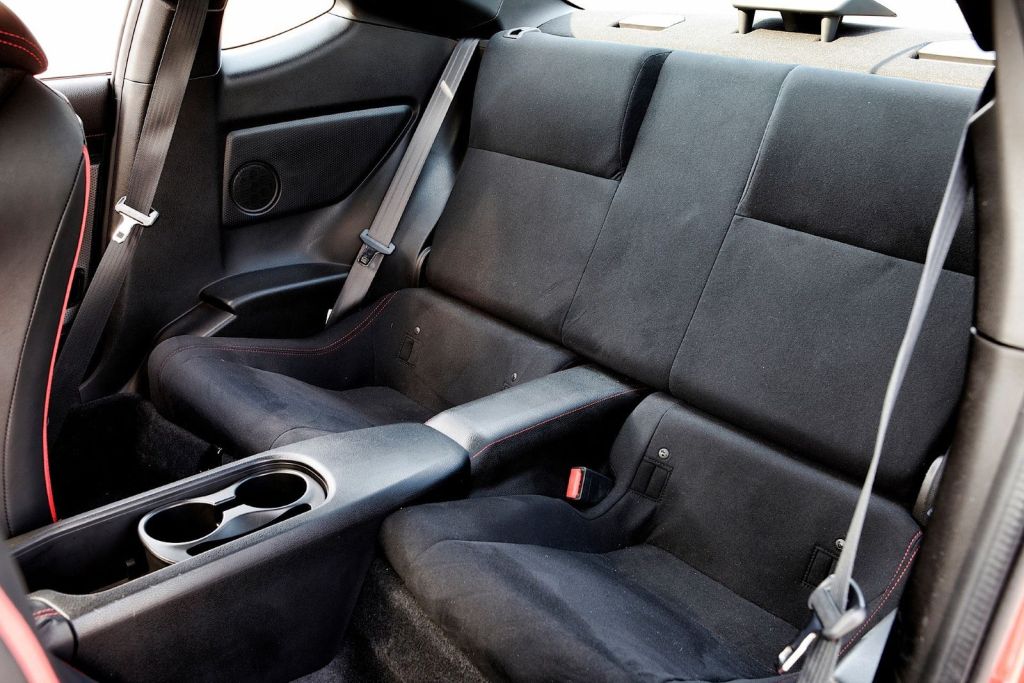
From the outside I would’ve thought the GT86 was a two seater but i was wrong. It’s a four seater meaning it can fit a small family. But there are complaints that the backseat has absolutely horrible legroom unlike the AE86 so i hope the 2020 edition will fix that.
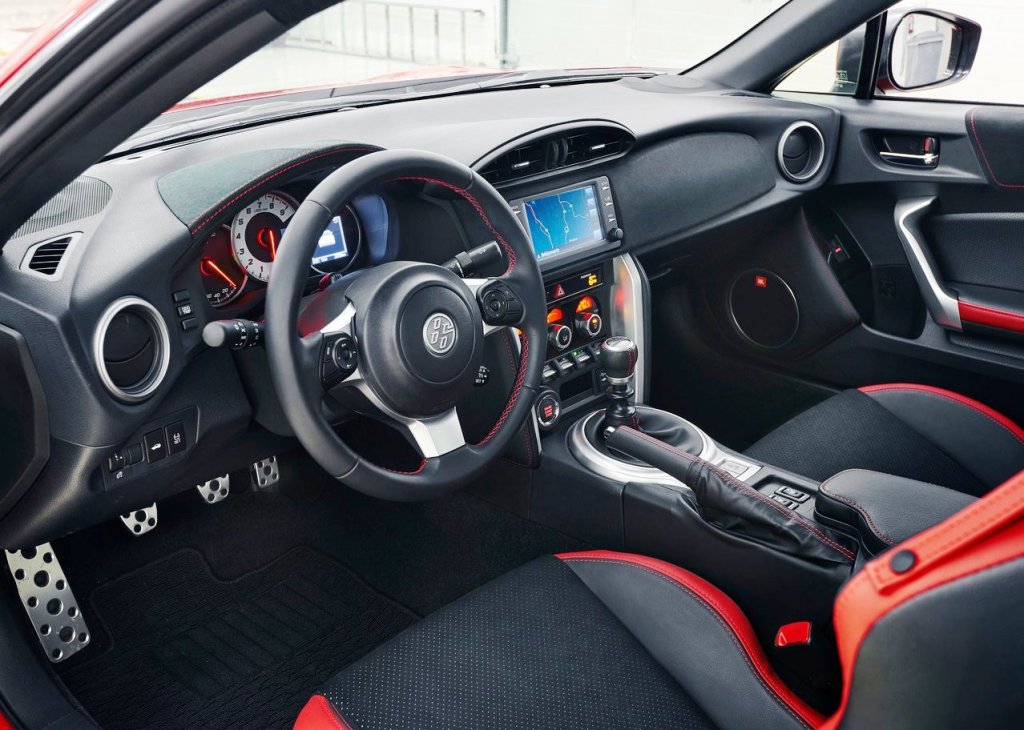
The bucket seats come stock with the GT86. The steering wheel looks more modern and sporty. The car comes with the things the AE86 came with, air conditioning and all the usual. It also comes with satellite navigation so you don’t need to buy your own Garmin GPS or waste your phone battery, it has a touchscreen infotainment system complete with radio, bluetooth and USB charging ports.
And yes, it does come with a cup holder.
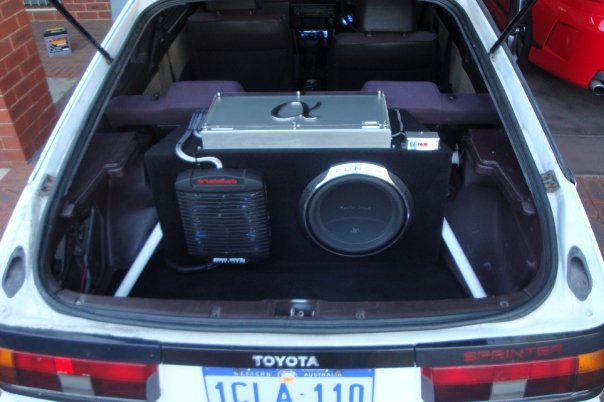
What more can be said about the trunk capacity of an AE86, it boasts 255 litres which is slightly more than a Volkswagen Golf GTi and that one was big.
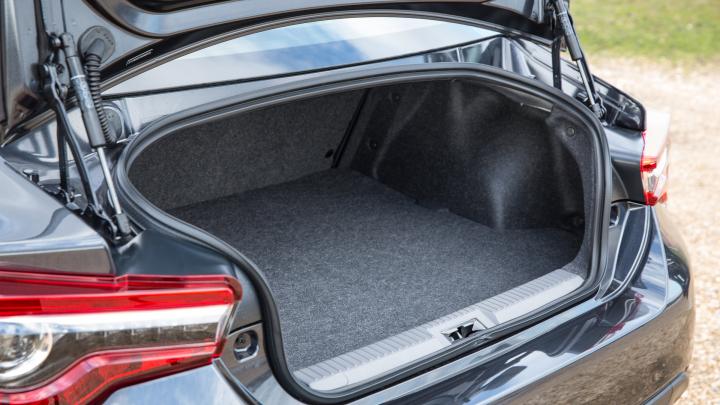
The trunk capacity of a GT86 is less than an AE86 but it’s big for a sports sedan; 237 litres. That’s also enough to fit a big haul of groceries or three big Samsonite suitcases, comparable to the standard Singapore taxi Hyundai Sonata.
As for ride comfort, the AE86 probably wins by a bit. The AE86 has a stiffer suspension due to the very old design but the GT86 without the TRD package has very stiff handling and pretty bad brakes. Both are low to the ground so expect bumpiness from the shock absorbers.
Although the GT86 gives you comfort with modern technology and such, you’ve gotta admit that the AE86 was more practical. It fits more people and has a larger trunk capacity. The back seats are more spacious. It has better handling and the engine was made to be more reliable. And of course, we can all live without Bluetooth or satellite navigation, we have mobile phones with it anyway. Just the cup holder. Yeah.
Price: AE86: 4/10 vs GT86: 8/10
The prices for the AE86 are god awful. The car is becoming more and more rare such that a fairly used one (about 200k miles) costs between USD$14000 to USD$20000, quite expensive for a used ’80s JDM car.
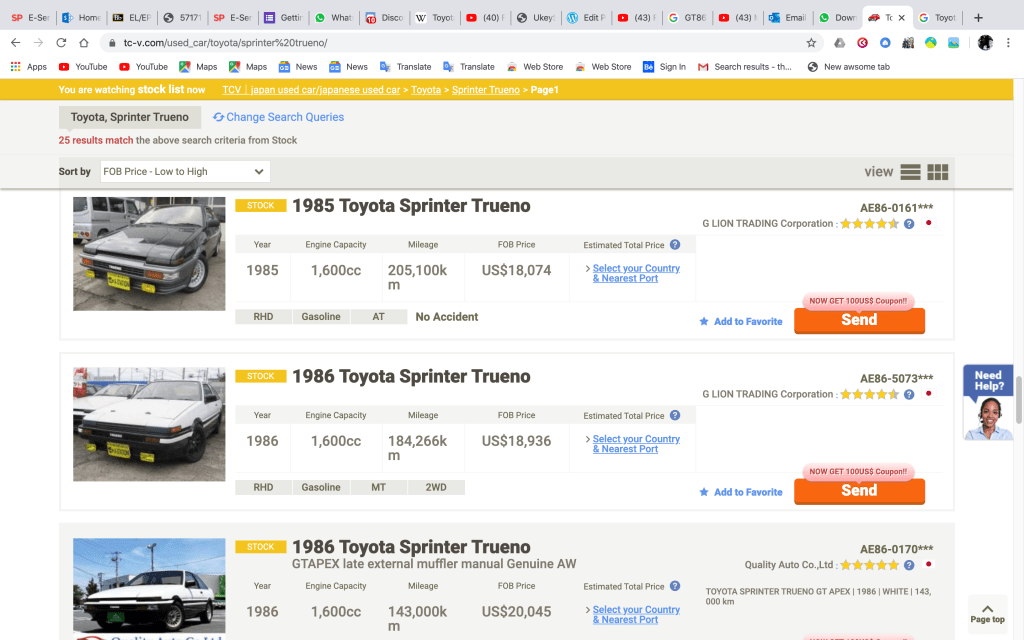
Even here in Singapore the AE86 is super rare. So rare in fact that i only found one result.
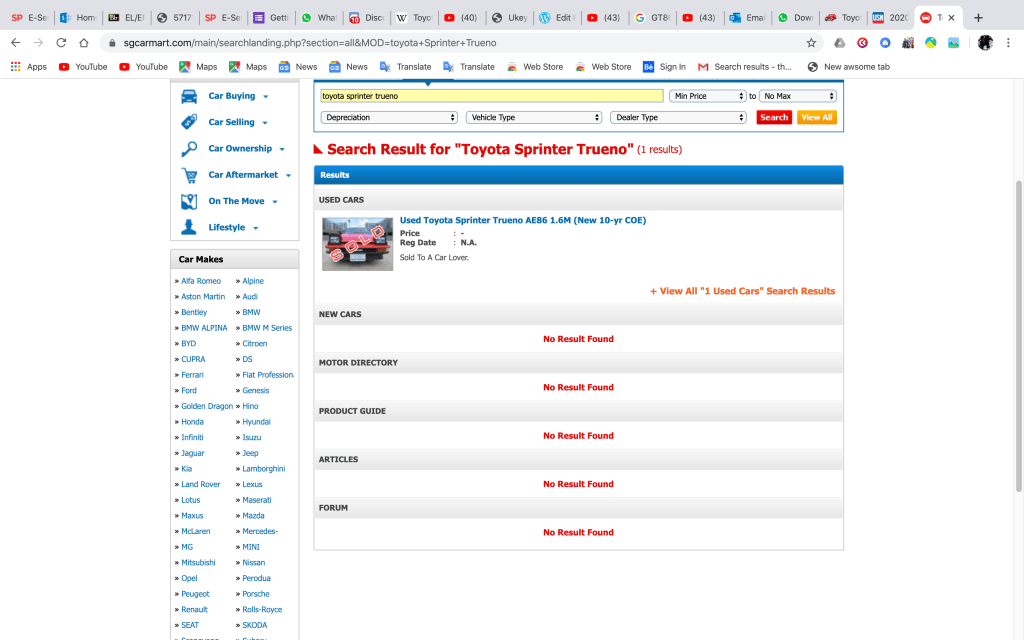
What’s worse is that the COE has already expired. So no buying any AE86 anytime soon in Singapore.
For a GT86 in America, you can get it new for about $10000 more than a used AE86.
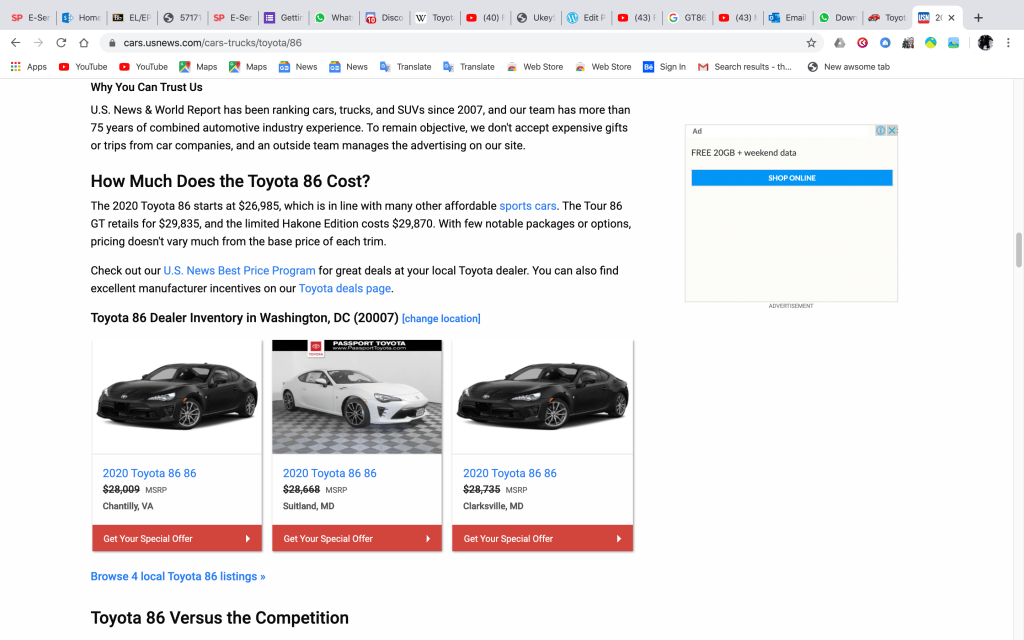
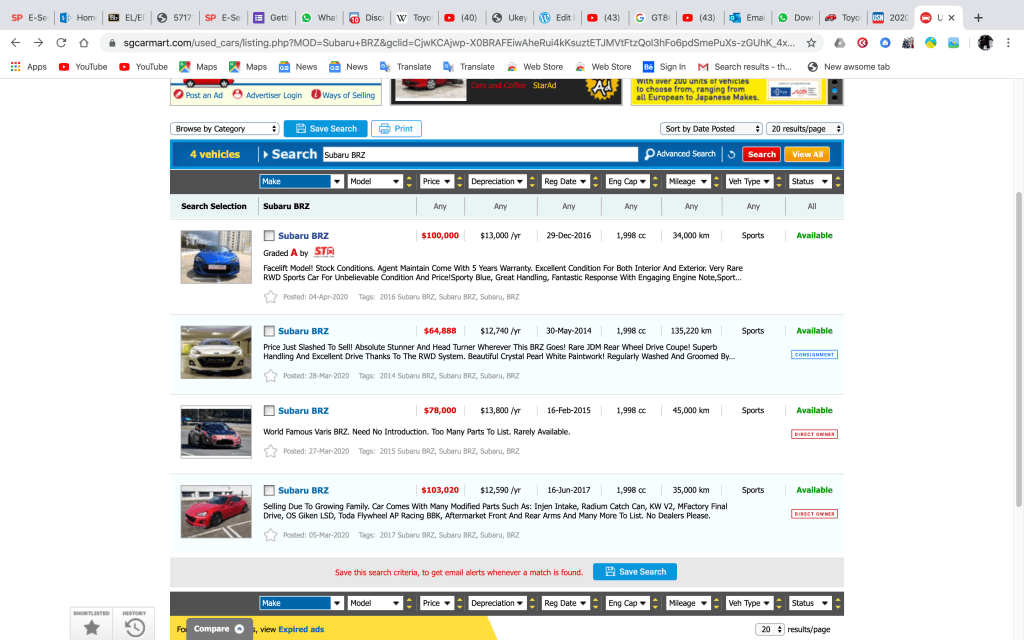
In Singapore the GT86 has become unavailable since 2015 since it’s now marketed as the Subaru BRZ. A used BRZ sells at about $50000 to $100000 with a COE of less than 5 years. Pretty standard for a sports car.
Overall: GT86: 4 points vs AE86: 2 points
It was close but what ultimately sealed the AE86 fate was the exhorbitant price, the underwhelming engine and it’s limited styling. Although more reliable, the fun factor isn’t there for the AE86. It’s tough to mod both inside and out and you’re lucky if you even find one.
As for the GT86 it proved itself as a worthy successor due to the fun you can have with it for it’s cheap price. Unlike the AE86 the GT86 is available everywhere. It has a more powerful engine that’s almost as reliable and the mods and engine swaps are almost endless.
If you want a great daily driver with a retro ’80s JDM feel (and of course to feel like you’re Takumi Fujiwara) without the ability to go fast the AE86 is a good choice. But if you want to go fast and have fun while still being able to haul groceries and have to deal with your kids fighting for space in the back seat then the GT86 is for you.
With that said, let the Eurobeat intensify!

New Special posts,Classics vs Moderns
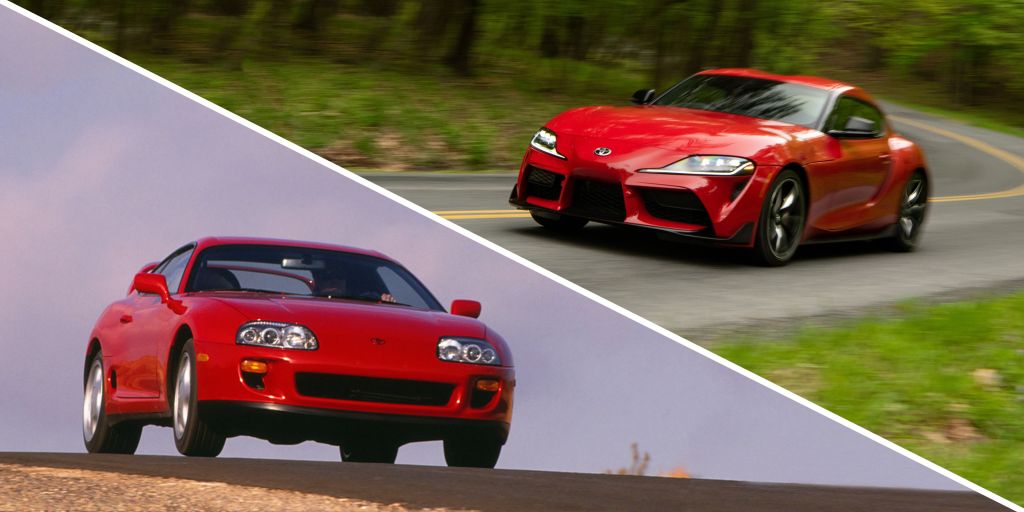
Over the past year there have been revivals of old models from car manufacturers which got me thinking, will the old classic icons of the ’60s to the ’90s ever match up with the modern, technological revivals of today? Will the old fastback ’70s Mustangs ever match up to the new Mustang GT? Is the new BMW built Supra actually as good as the old iconic Mk4 Supra? Is the old Porsche 911 exactly the same as the new one? These special posts will answer that burning question as i review cars of the yesteryear and pit them head to head against their reboots. This is Classics vs Moderns.
 Thomas' car reviews